How to Track Real Time Visitors for Travel
Someone is browsing your travel website right now. They have been looking at Caribbean resort packages for 45 minutes. They have viewed six different hotels, compared three suite options, and even started filling out a booking form before abandoning it. This traveler is clearly interested, but without real time visitor tracking, you have no idea they exist.
The travel industry is incredibly competitive. Airlines, hotels, and travel agencies all compete for the same customers. The business that knows when a traveler is actively researching and ready to book has a massive advantage over competitors who rely on generic marketing.
Why Real Time Visitors Matters for Travel
Capturing abandoned bookings. Travel websites see high cart abandonment rates. Visitors browse extensively, find something they like, but then leave. Real time data lets you identify these warm prospects and send targeted follow-up offers.
Dynamic pricing intelligence. When you know exactly when traffic spikes, you can adjust pricing accordingly. If bookings surge on Friday nights, you might increase weekend rates. If Tuesday afternoons are slow, special deals can fill inventory.
Seasonal planning. Real time data reveals patterns as they emerge. If you notice unexpected traffic to your ski resort pages in early October, you can ramp up marketing before the season starts.
Understanding destination interest. Travel businesses often offer multiple destinations. Real time tracking shows you which locations are generating interest right now, helping you allocate marketing budget effectively.
How to Check in GA4
Google Analytics 4 real time reporting works well for travel websites:
- Open GA4 and select your property.
- Click “Real Time” in the left sidebar.
- Review active user counts and geographic locations.
- Check “By event count” to see which pages or destinations are attracting attention.
- Monitor “Top pages” to identify which content is driving current traffic.
For travel businesses, tracking specific events like “package_view,” “booking_started,” or “price_check” provides more useful data than just page views.
The Easier Way
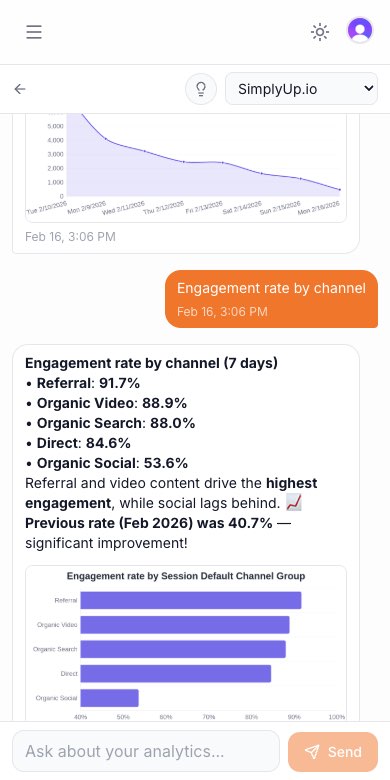
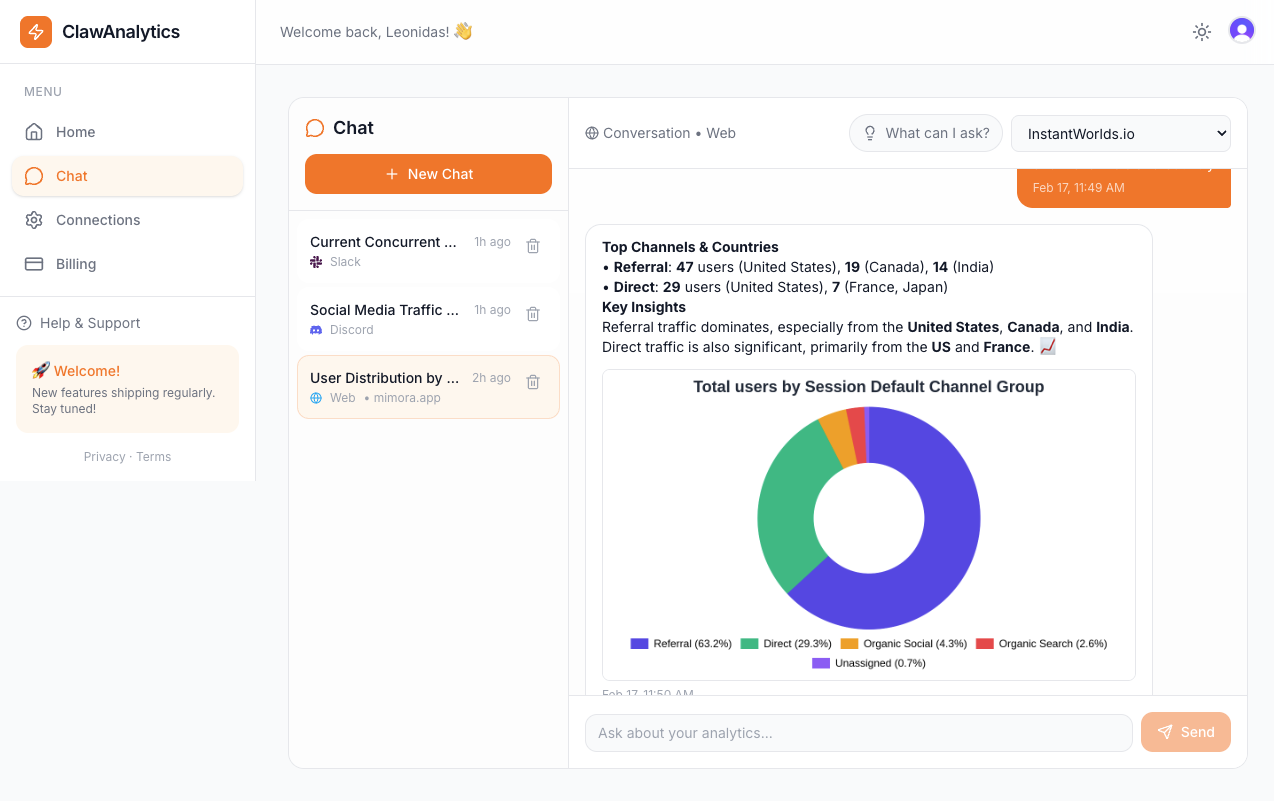
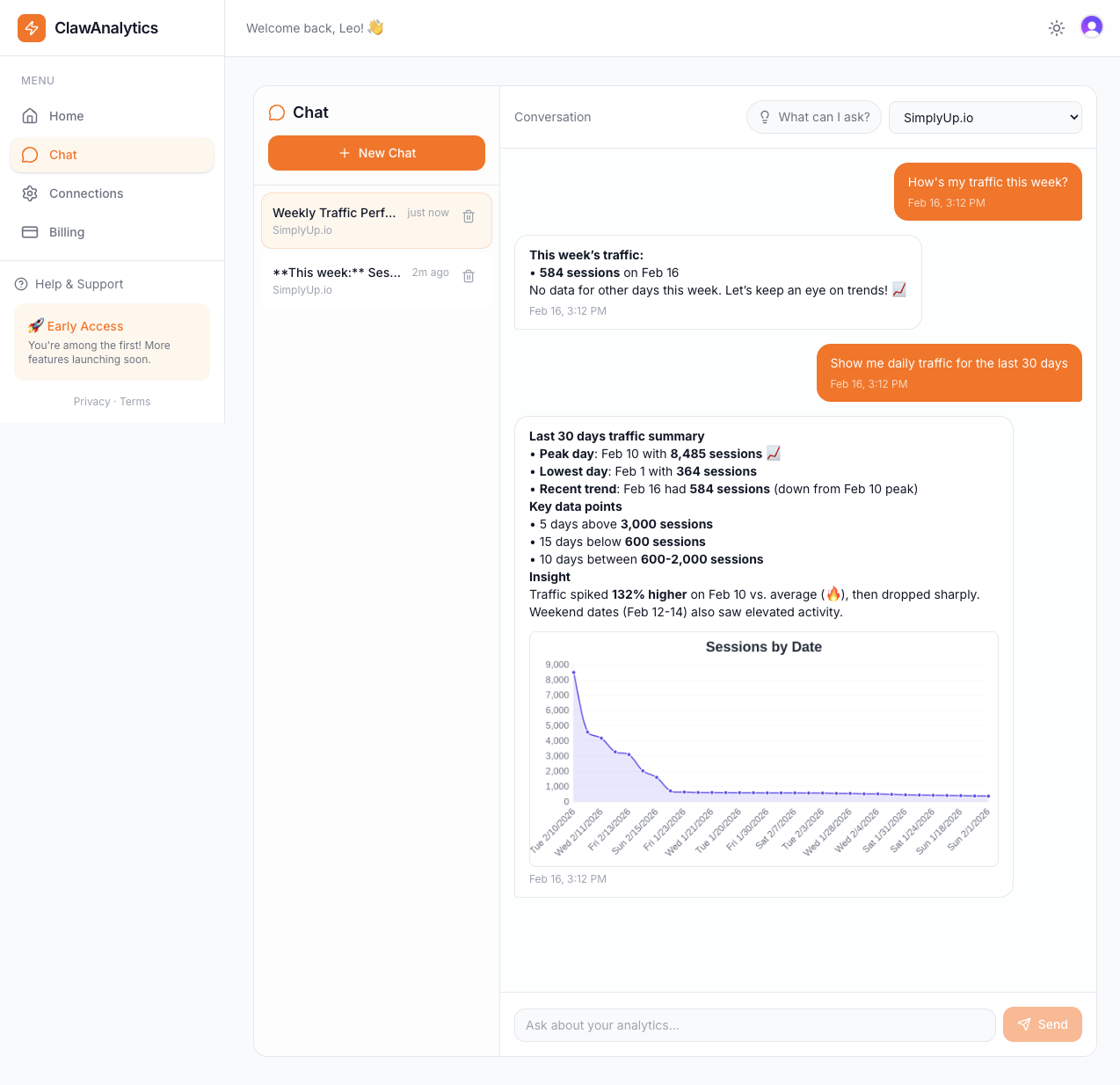
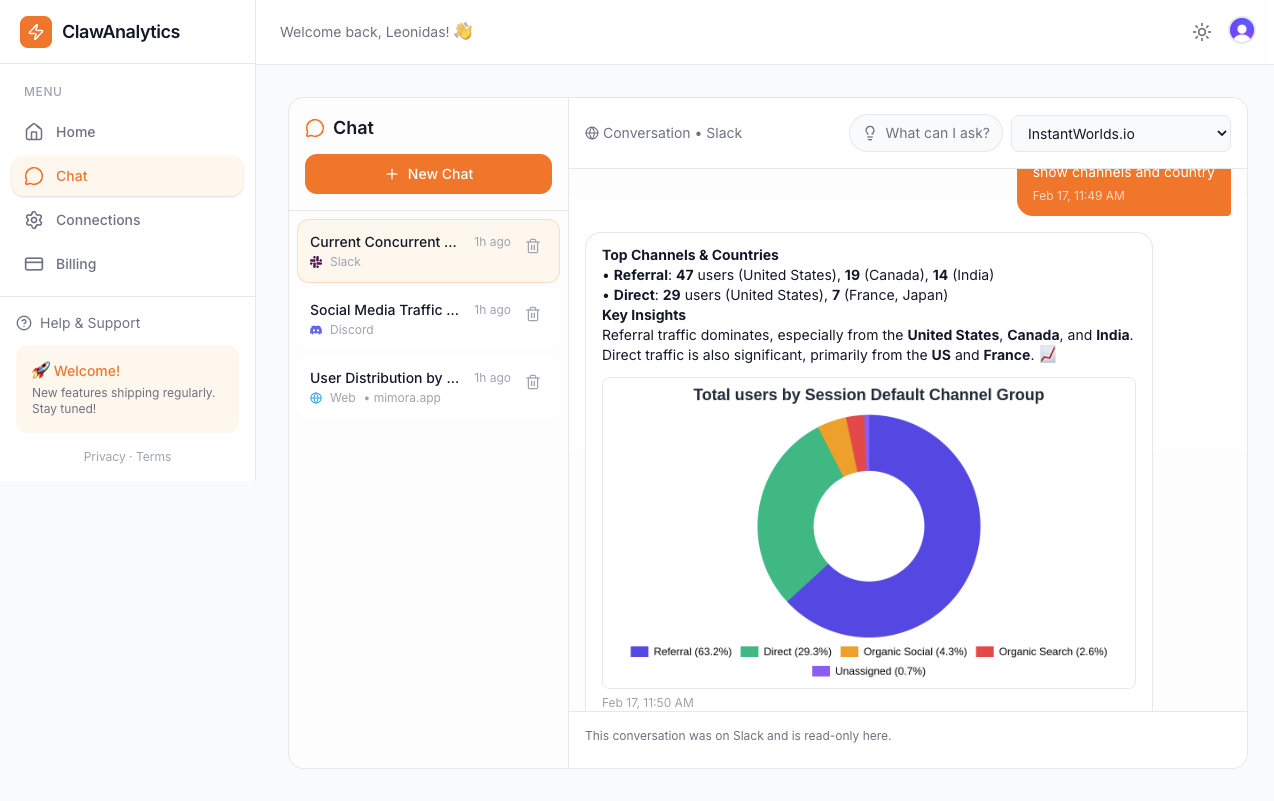
ClawAnalytics helps travel businesses transform real time data into bookings. The platform identifies when high-intent visitors are on your site and enables immediate action.
For example, you can set up alerts that trigger when someone views multiple hotel options in the same destination. This signals serious booking interest, and your team can follow up with a personalized offer.
ClawAnalytics lets you ask questions like:
- “Which destination pages are getting the most traffic right now?”
- “Are we seeing more interest in all-inclusive packages or custom itineraries?”
- “What time do travelers from our top source countries typically browse?”
This immediate insight helps travel businesses stay ahead of customer needs.
Quick Wins
Implement these steps to start capturing more travel bookings:
Monitor booking funnel pages. Set up alerts for visitors who reach the booking confirmation page but do not complete the purchase. A timely email with a small incentive can convert these abandoned bookings.
Use time-zone data. If you see visitors from international markets during their local business hours, ensure your site offers support in their language and currency.
Create urgency with real time data. If your data shows high interest in a particular hotel or date, display messages like “Only 3 rooms left at this price” to encourage immediate booking.
Track competitor comparison pages. When visitors spend time on pages comparing your offerings to competitors, that is a strong signal of consideration. Follow up with your unique value propositions.