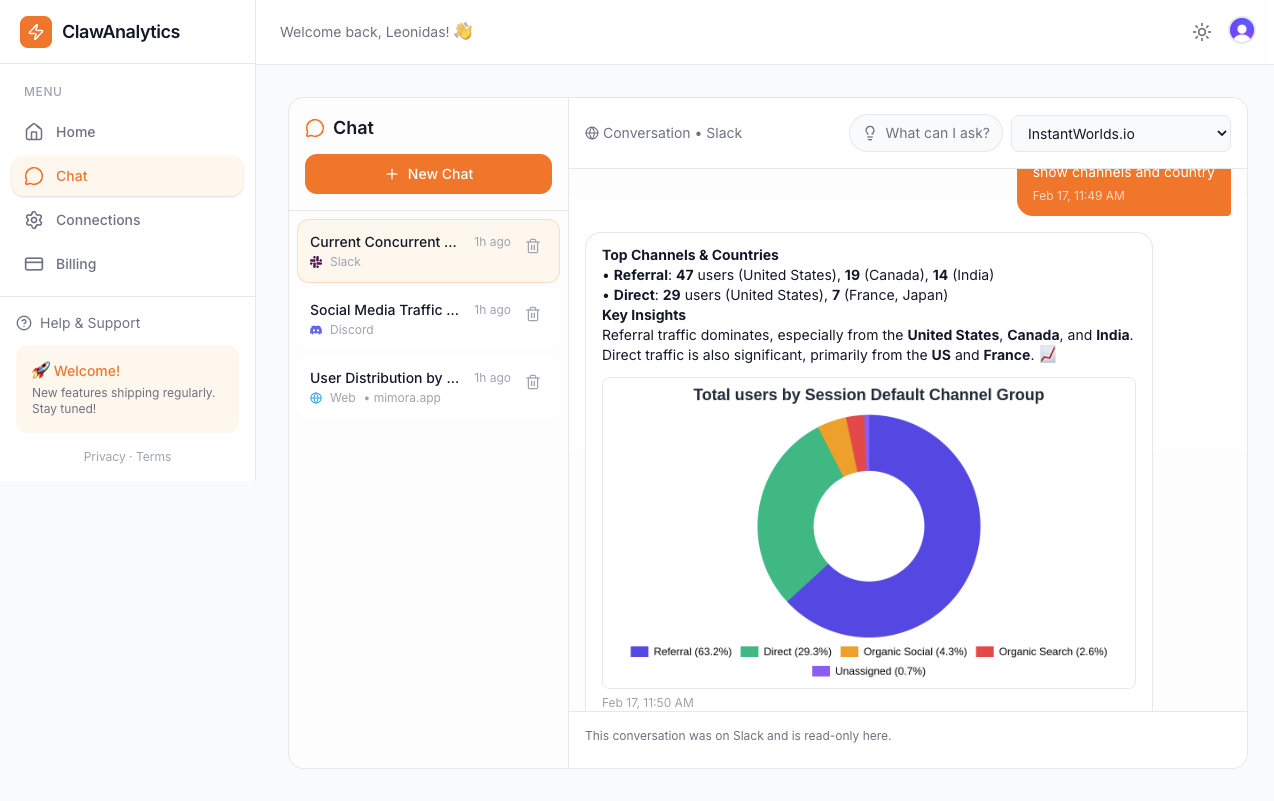
A veterinary clinic never knows what walks through the door. A routine vaccination appointment might get interrupted by an emergency surgery, and suddenly your schedule explodes. Real time visitor tracking gives you the situational awareness needed to keep things running smoothly.
Why Real Time Visitors Matter for Veterinarians
Real time data serves veterinary clinics in several important ways.
Exam room management. Every clinic has limited exam rooms. Real time data shows exactly which rooms are in use and which are about to free up, preventing bottlenecks.
Staff allocation. Technicians and assistants need to know when to prepare for the next procedure. Real time tracking helps them stay ahead of the schedule.
Emergency handling. Urgent cases need immediate attention. Real time data helps you see capacity at a glance so you can triage effectively.
How to Check Real Time Visitors in GA4
Google Analytics 4 provides a Realtime dashboard:
- Log into GA4 and navigate to Realtime
- View the Active users count for the past 30 minutes
- Check which service pages attract attention, such as dental care or surgery
- Use geographic data to see where pet owners are searching from
This tells you when pet owners research your services online.
The Easier Way: ClawAnalytics
GA4 tracks online visitors, but veterinary clinics need to monitor actual patient flow. ClawAnalytics integrates with your practice management system to display current clinic occupancy.
With ClawAnalytics, you can answer questions like:
- How many pets are currently in the clinic for appointments?
- Which exam rooms are available right now?
- Are we seeing more emergency cases than usual today?
These answers help you make instant decisions about staffing and room assignment.
Quick Wins for Veterinarians
Start using real time data with these simple steps:
Track appointment type patterns. If dental cleanings consistently spike on Tuesdays, ensure enough technicians are available.
Monitor morning versus afternoon volume. Many clinics see more drop-off emergencies in mornings. Staff accordingly.
Prepare for seasonal rushes. Back-to-school and holiday seasons often bring more pets as families have more time at home to notice health issues.