How to Track Referral Traffic for Ecommerce
A fashion blogger links to your online store in a post. Readers click through and buy your products. That is referral traffic. For ecommerce, these external sources can drive significant revenue.
Why Referral Traffic Matters for Ecommerce
Validates partnerships. When an influencer or affiliate sends traffic that converts, you know the partnership works. Tracking reveals which collaborations actually generate sales.
Identifies unexpected sources. Sometimes websites you did not expect to mention you send valuable traffic. This discovery can lead to formal partnership opportunities.
Measures content marketing ROI. Guest posts, product mentions, and media coverage all generate referral traffic. You see which content efforts bring visitors and sales.
Diversifies traffic sources. Relying only on search or paid ads is risky. Referral traffic from multiple sources reduces dependency on any single channel.
Supports affiliate management. For programs with many affiliates, referral tracking shows who performs best. You can adjust commissions based on actual revenue generated.
How to Check in GA4
Go to Reports > Acquisition > Traffic acquisition in GA4. Look for rows with specific sources in the “Session source/referrer” column. You might see domains like “instagram.com,” “youtube.com,” or partner sites.
Click any source to drill down. See which specific pages or campaigns brought visitors. Sort by conversions to find which referrals actually drive sales.
Create custom segments in GA4 to isolate referral traffic and analyze its behavior separately from other sources.
The Easier Way
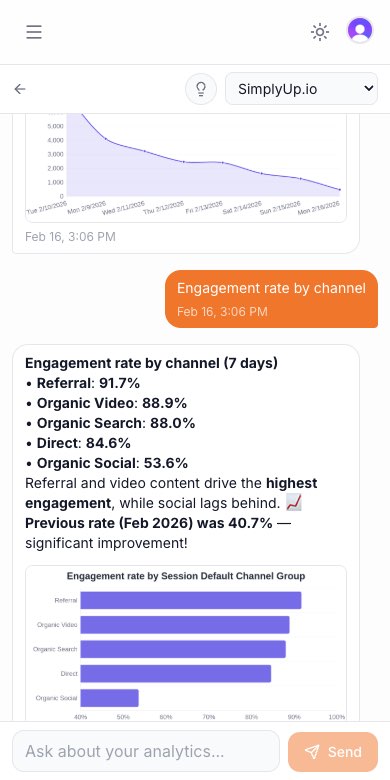
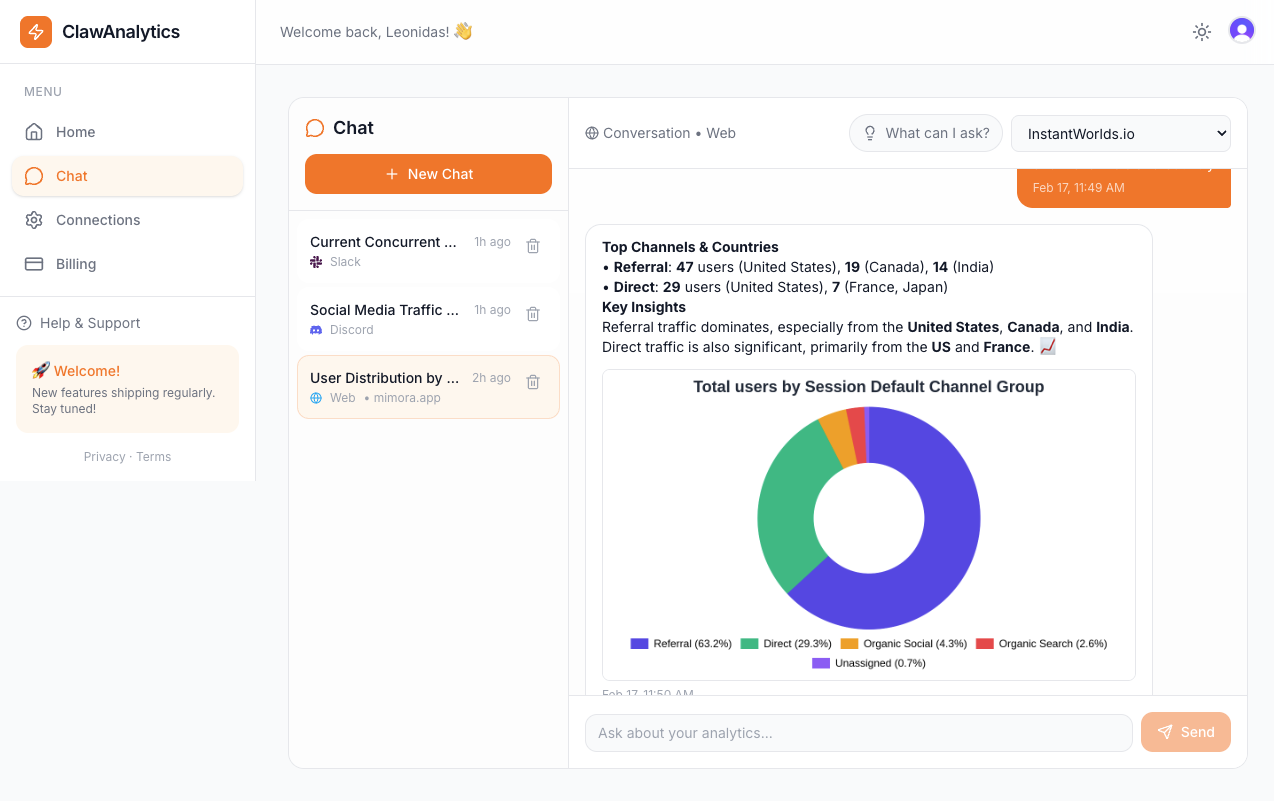
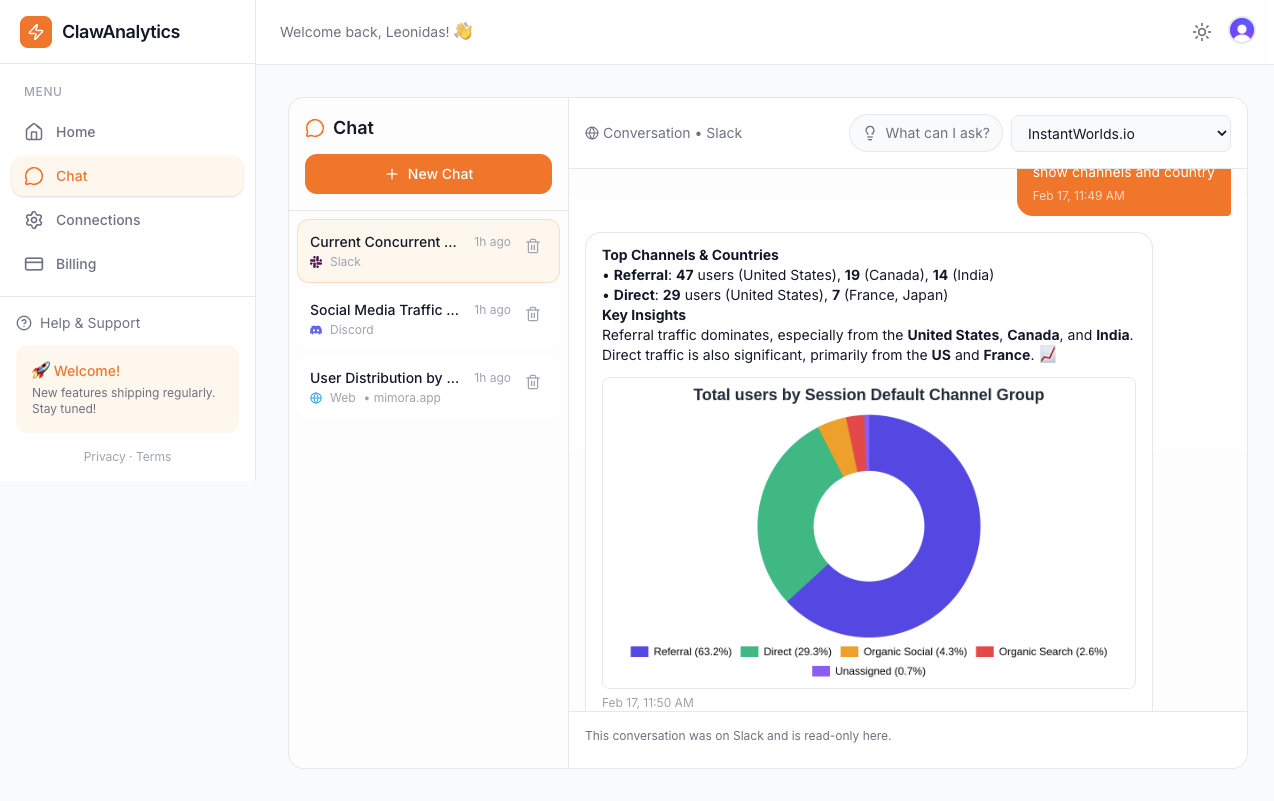
ClawAnalytics helps ecommerce stores make sense of referral data. You see at a glance which partners send customers who actually buy. Questions become straightforward: “Should we renew our partnership with this affiliate?” and “Which social platform sends the highest-value traffic?” This data informs partnership decisions and budget allocation.
Quick Wins
- Audit your backlinks — use tools to find all sites linking to your store
- Negotiate based on data — use referral conversion rates when discussing partnership terms
- Test new partnerships — track new referrers separately to evaluate performance
- Encourage user referrals — implement a referral program with proper tracking
- Monitor competitor referrals — see which sites link to competitors for outreach ideas