How to Track Referral Traffic for Freelancers
A potential client just reached out through your contact form. They mentioned finding you through a podcast interview you did last month. But was that really what brought them, or was it your guest blog post from two weeks ago? Understanding which referrals actually convert helps you focus your networking wisely.
Why Referral Traffic Matters for Freelancers
Your freelance business depends on a consistent flow of qualified leads. Understanding where clients come from helps you spend time on activities that actually bring work.
First, referral tracking reveals your best marketing channels. Maybe your Upwork profile brings many inquiries but few conversions, while speaking at local events brings fewer leads but higher-close rates. The data shows what to prioritize.
Second, referrals from different sources have different values. A client from a trusted colleague’s recommendation often has higher lifetime value and easier communication than one from a job board.
Third, tracking helps you prove your value. When you can show clients exactly where their referrals came from, you build credibility and justify your rates.
Finally, referral data helps you plan your business development. If you know spring brings clients from directories and fall brings work from conference connections, you can time your outreach accordingly.
How to Check in GA4
Set up GA4 on your portfolio or freelancer website. Track contact form submissions, consultation bookings, or project inquiries as conversions.
In Traffic Acquisition, look at your referral sources. Sort by conversion rate, not just traffic volume. Your most valuable clients might come from unexpected sources.
Create unique landing pages for key referral channels. If you speak at an event, have attendees visit a specific page. If you guest on podcasts, use unique URLs. This isolates each source’s impact.
Set up goal completions for inquiry submissions. Track not just form fills but qualified leads, meaning people who actually became clients. Work backwards from closed deals to find which sources matter most.
Build remarketing audiences from high-value referral sources. Create audiences of people who visited from your best sources and hadn’t converted yet. Nurture these leads with targeted content.
The Easier Way
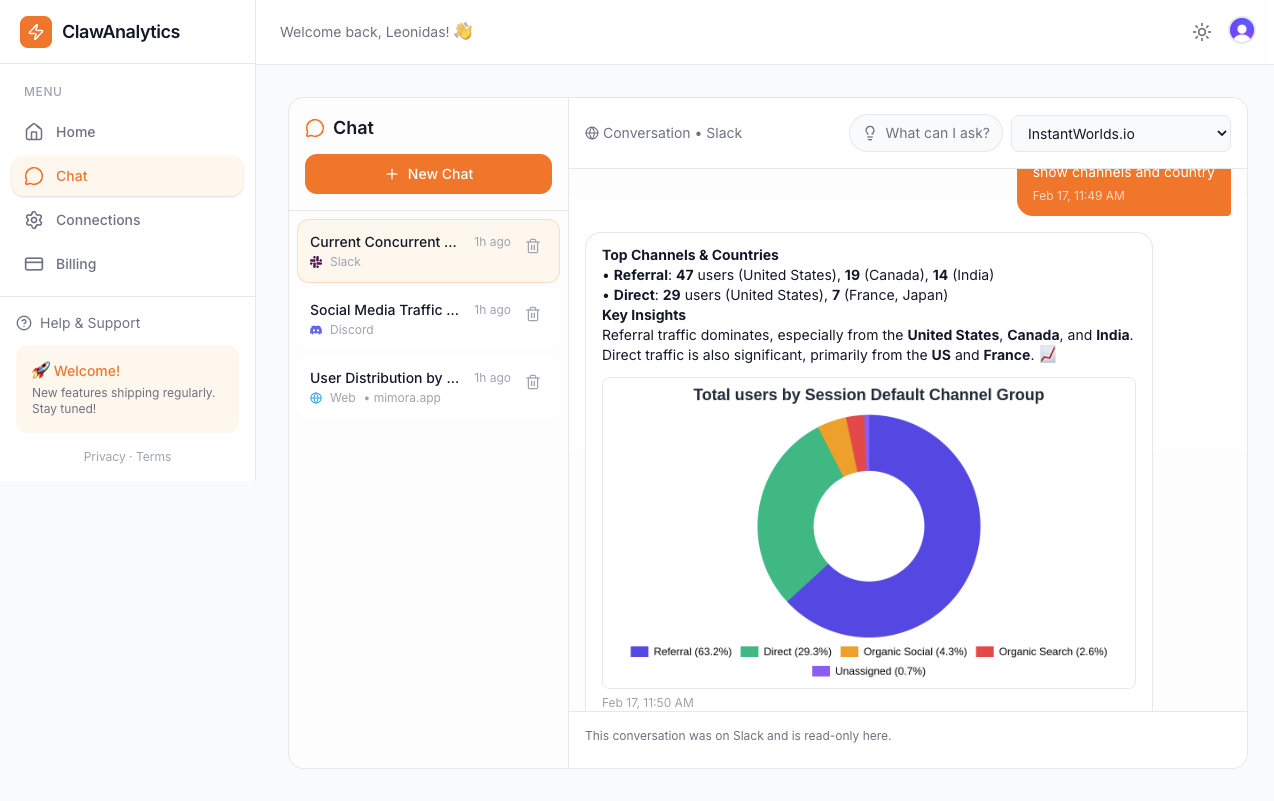
Freelancers often juggle multiple platforms and networking activities. ClawAnalytics consolidates this data so you see the complete picture.
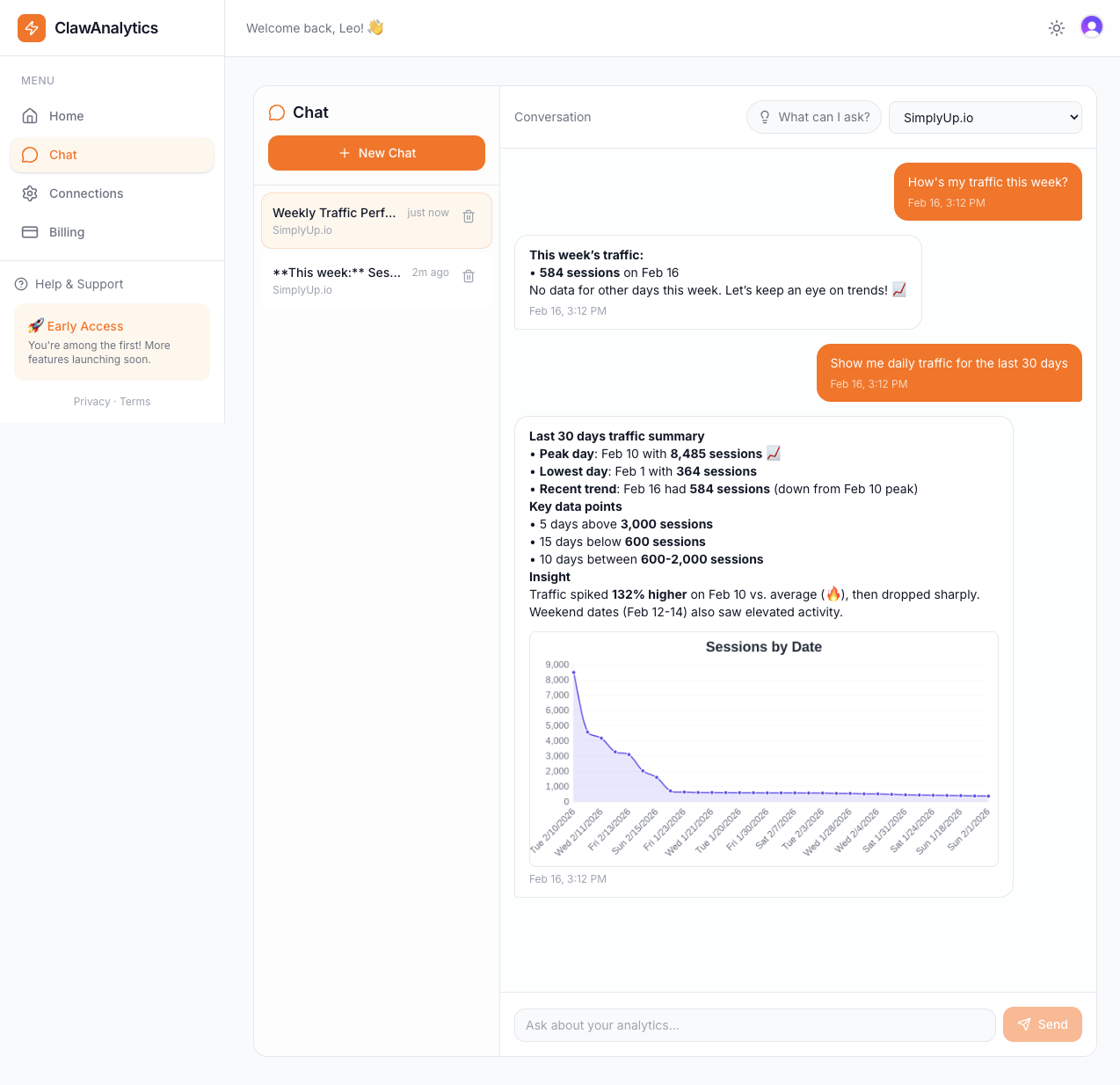
The platform tracks the full journey from first visit to paid project. You see which online presence, podcast appearance, or guest post actually led to work.
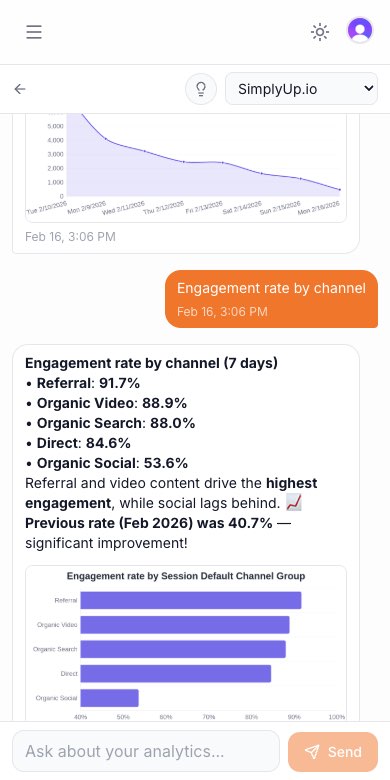
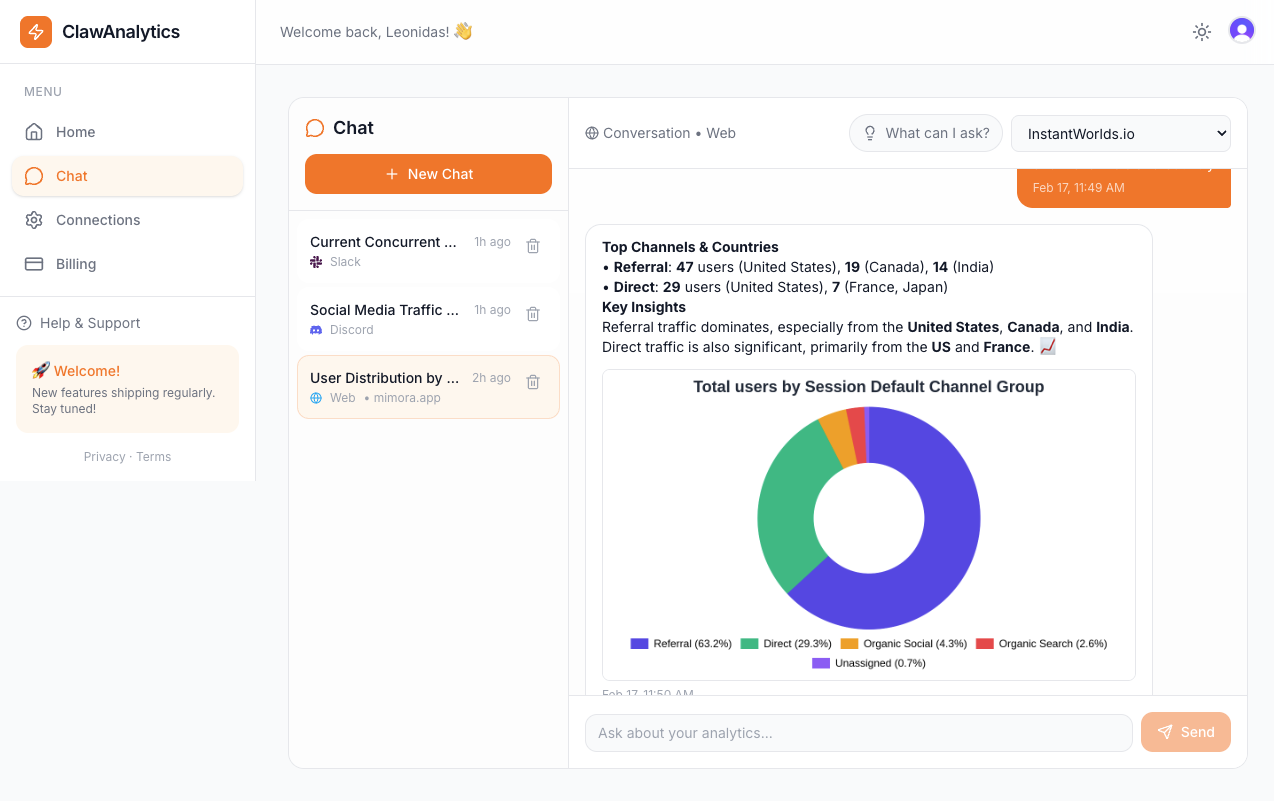
For example, you might have a popular blog post that gets lots of traffic but few inquiries, while your LinkedIn profile sends fewer visitors but converts them at high rates. ClawAnalytics reveals this difference instantly.
Questions the platform answers: Which guest post drives the most client inquiries? Do clients from Twitter convert differently than those from LinkedIn? What’s the actual revenue from each referral source?
This insight helps you make smarter decisions about where to spend your limited business development time.
Quick Wins
Create a media kit with analytics. When you pitch yourself for podcasts, guest posts, or collaborations, include data on your traffic sources. This professionalism sets you apart.
Ask new clients how they found you. Compare this to your analytics. Sometimes clients misremember, but patterns emerge over time that validate your data.
Track directory listings separately. Sites like Clutch, Upwork, or industry-specific directories might send more qualified leads than you realize.
Build relationships with complementary freelancers. When they have overflow work or clients outside their niche, they send referrals your way. Track these to measure partnership value.
Update your online presence consistently. The best referral sources often come from content you created months ago. Old blog posts, podcast episodes, or social content can drive ongoing traffic.