How to Track Return On Ad Spend for Healthcare
Imagine spending $1,500 on Google Ads for your medical practice and getting 20 appointment requests, but only 5 actually book. Meanwhile, your $1,000 Facebook campaign brought 15 requests, and 10 turned into booked appointments. Without tracking return on ad spend, you would think Google performed better because it got more clicks. The reality? Facebook brought more patients.
Why Return On Ad Spend Matters for Healthcare
Healthcare practices rely on consistent patient flow, and advertising budgets need to bring real results. ROAS helps you understand what works.
First, it values quality over quantity. A dozen appointment requests that all cancel is worth less than five that all show up. ROAS factors in actual booked appointments. Second, it reveals which treatments to promote. If cosmetic procedures bring more profit per patient than general visits, you might want to shift ad budget there. Third, it handles patient lifetime value. A patient who returns for annual checkups is worth more over time than a one-time visitor. Fourth, it helps with insurance and billing complexity. Knowing your net revenue per patient after insurance payments gives you accurate ROAS data.
How to Check in GA4
Google Analytics 4 can track appointment bookings if your practice uses online scheduling. Here is how to set it up.
Start by linking your Google Ads and Meta Ads accounts to GA4. Create conversion events for appointment form submissions, phone call clicks, and new patient registration completions. Assign values based on patient value. If an average patient brings in $500 per year over 5 years, that is $2,500 in lifetime value. Adjust for your specialty and patient retention rates. Then, create custom reports in GA4 that show conversion value divided by ad spend.
The challenge? Healthcare has privacy considerations. Make sure your tracking complies with HIPAA and does not store sensitive patient information.
The Easier Way
Let us be honest: running a practice is demanding. You do not have time to become a marketing analyst. This is where ClawAnalytics comes in.
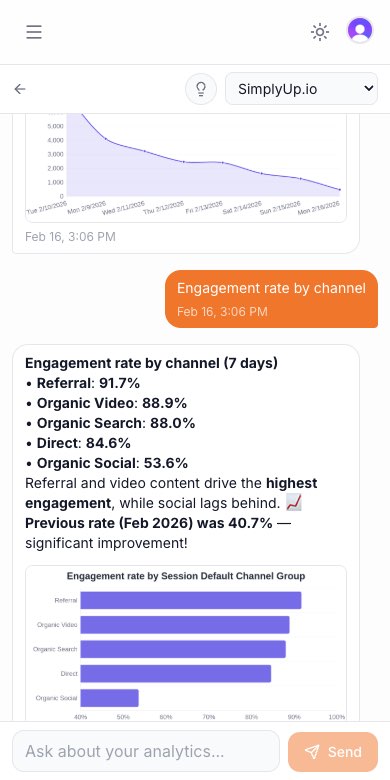
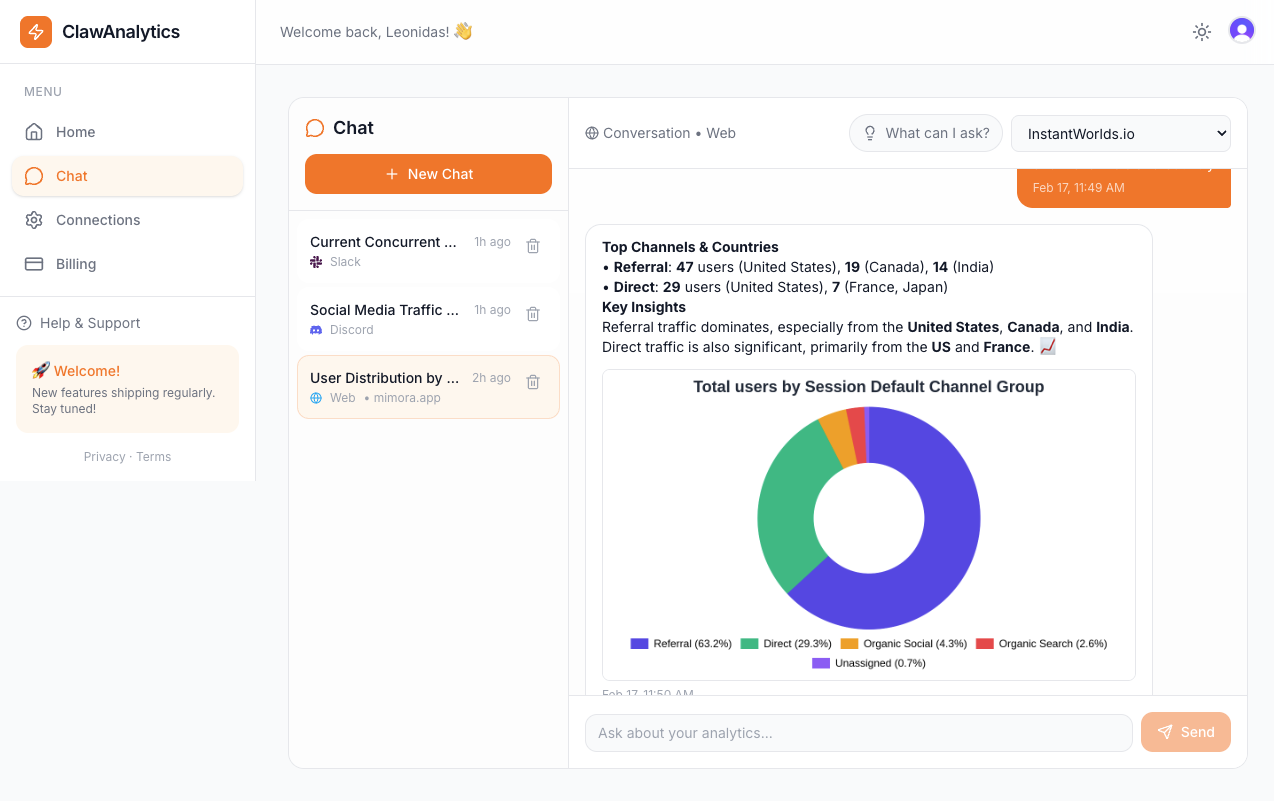
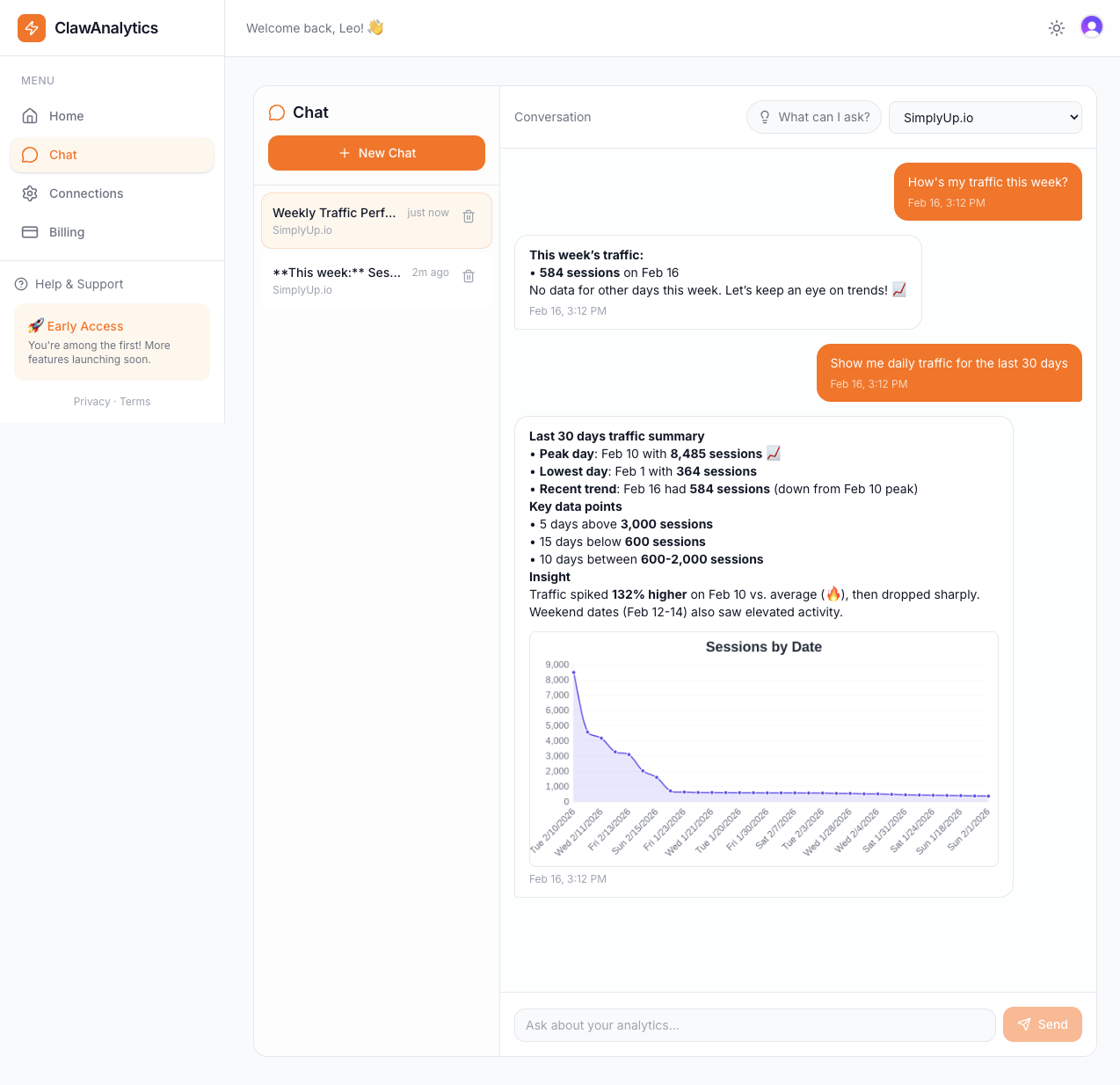
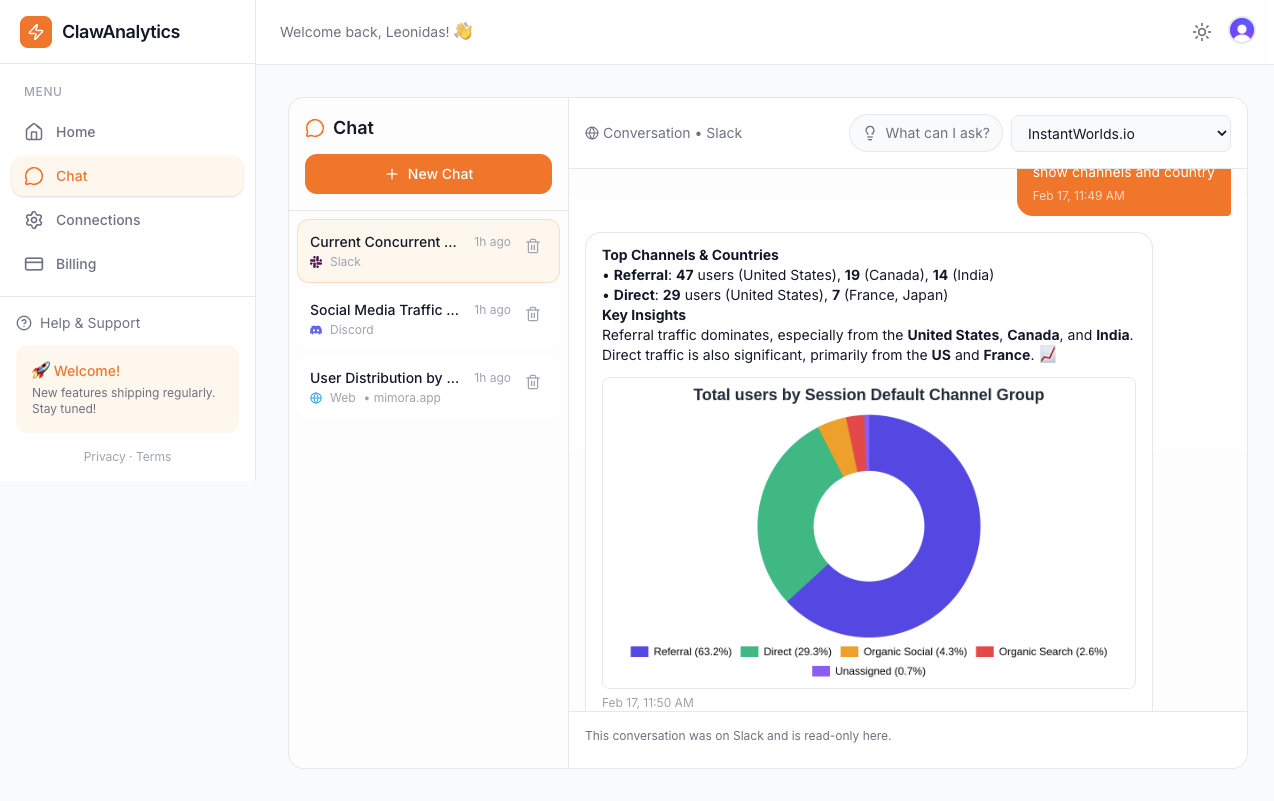
ClawAnalytics connects to your ad accounts and automatically calculates ROAS across all your campaigns. You see which ads bring patients who actually show up and return for follow-ups. The tool handles the tracking while you focus on patient care.
With ClawAnalytics, you can answer questions like: “Which campaign brought in the most new patients this month?” or “Should we promote our flu shots or our cosmetic services?” The answers are there, ready to help you decide.
Quick Wins
Here are three things you can do today to start tracking ROAS better.
Set up appointment tracking on your website. Add conversion pixels to your booking confirmation page. Every appointment should be recorded with its source.
Track no-show rates by source. When a patient does not show up, note where they came from. This helps you understand which channels bring reliable patients.
Ask every new patient how they found you. A simple intake question about referral source validates your analytics and reveals hidden trends.