How to Track Return On Ad Spend for Music Schools
You invested $600 in local Facebook ads promoting your piano lessons. Two months later, you’ve added 7 new piano students paying $80 per lesson, four times monthly. That’s $2240 in monthly revenue from a $600 investment. But what if your guitar lessons ads are performing better? Or what if your Google Ads for music theory classes are failing? Without ROAS tracking, you simply don’t know.
Why Return On Ad Spend Matters for Music Schools
Music education businesses have distinct characteristics that make ROAS especially valuable. Students pursue different instruments at different price points, take lessons with varying frequency, and stay for different durations.
Key reasons to track ROAS:
-
Instrument profitability varies. A violin student taking twice-weekly lessons generates more revenue than a guitar student taking weekly sessions. ROAS helps you understand which instruments advertise themselves best.
-
Lesson packages create complexity. Do you advertise the $500 annual package or the $80 monthly plan? ROAS reveals which offers attract students who stick around.
-
Instructors have specialties. Some teachers book out months in advance while others have open slots. Knowing which ads fill which instructor schedules optimizes everything.
-
Referrals have a cost too. Tracking paid acquisition versus organic referrals gives you the full picture of how students find you.
How to Check ROAS in Google Analytics 4
Google Analytics 4 can track your music school advertising with some configuration:
-
Link advertising accounts. Connect Google Ads, Facebook, Instagram, and any local advertising platforms to GA4.
-
Create conversion events. Set up “lesson booked,” “trial scheduled,” or “new student enrollment” as conversions with assigned values based on average lesson revenue.
-
Use attribution reports. GA4’s attribution features show you which touchpoints contribute to conversions, helping you understand the customer journey.
-
Segment by instrument. Create segments for different instruments or lesson types to see which advertising performs best for each.
-
Monitor assisted conversions. Look at both direct conversions and assisted conversions to understand how ads work together.
The complexity increases quickly, and manual calculations often introduce errors.
The Easier Way
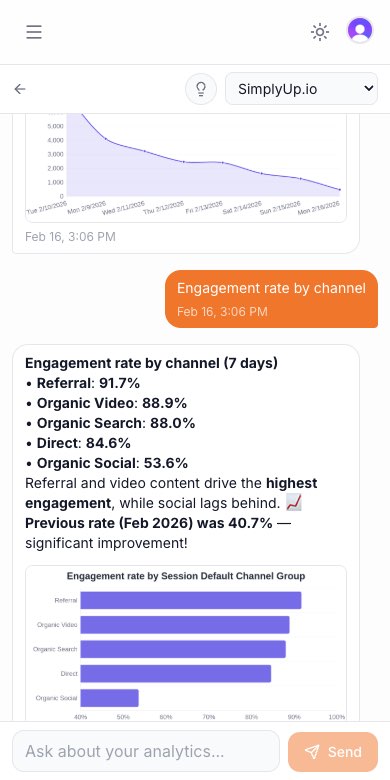
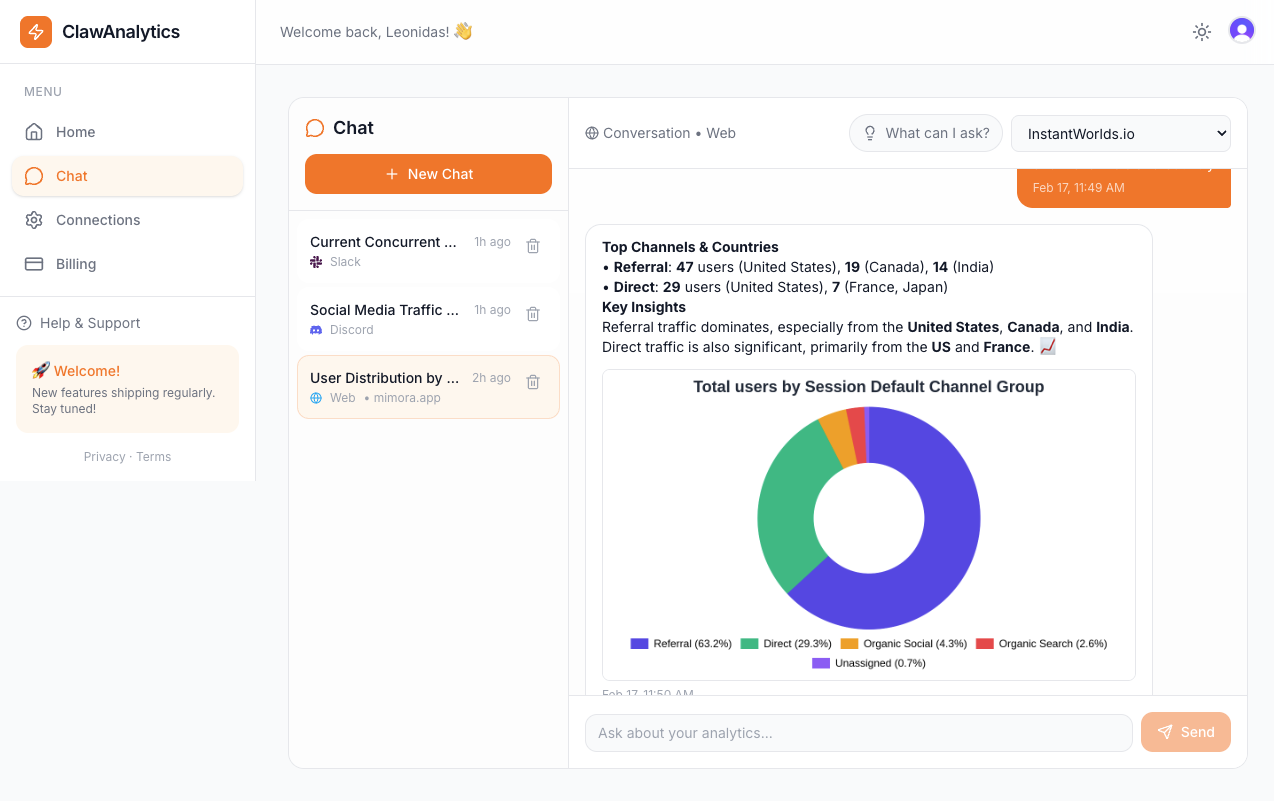
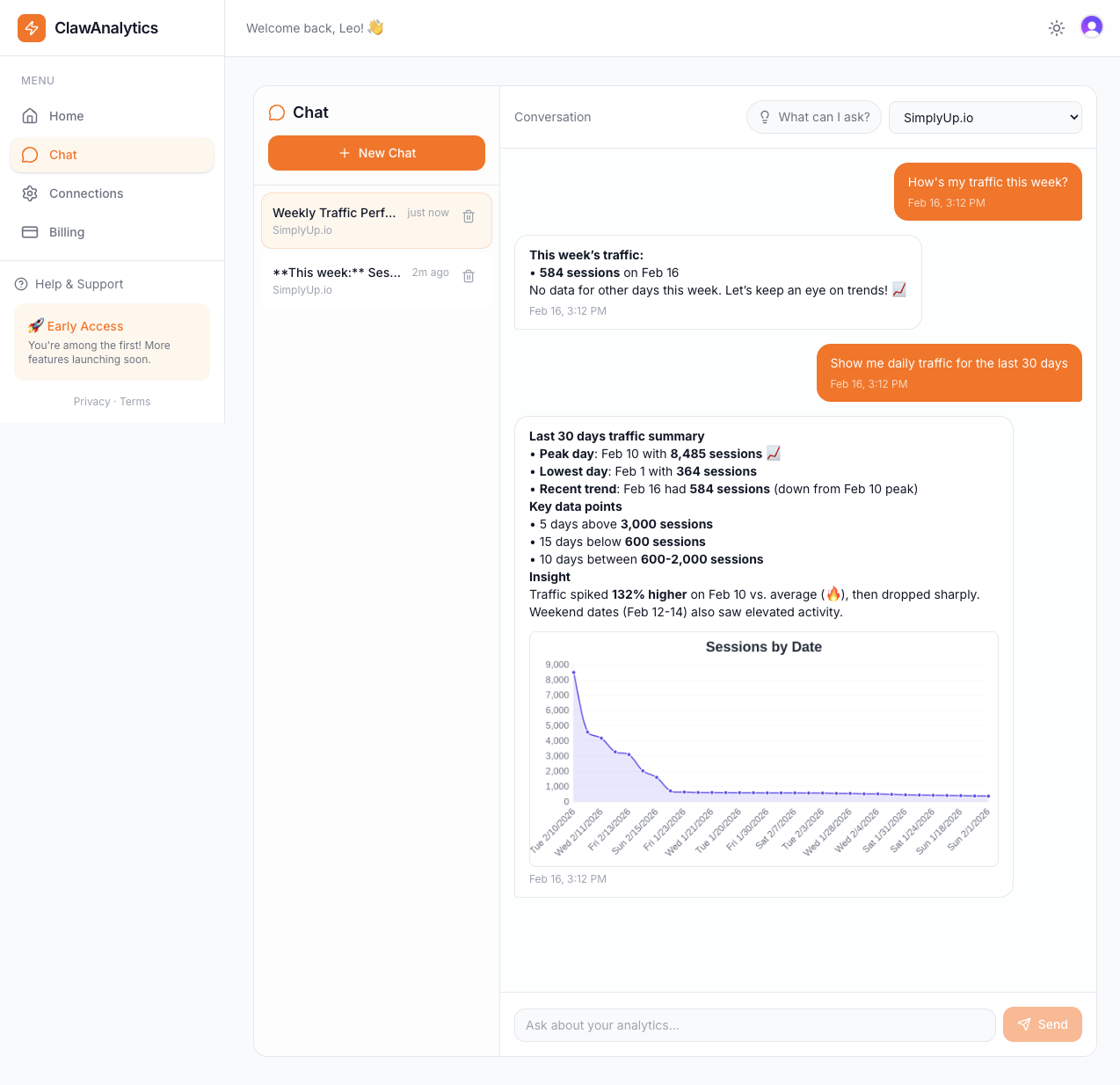
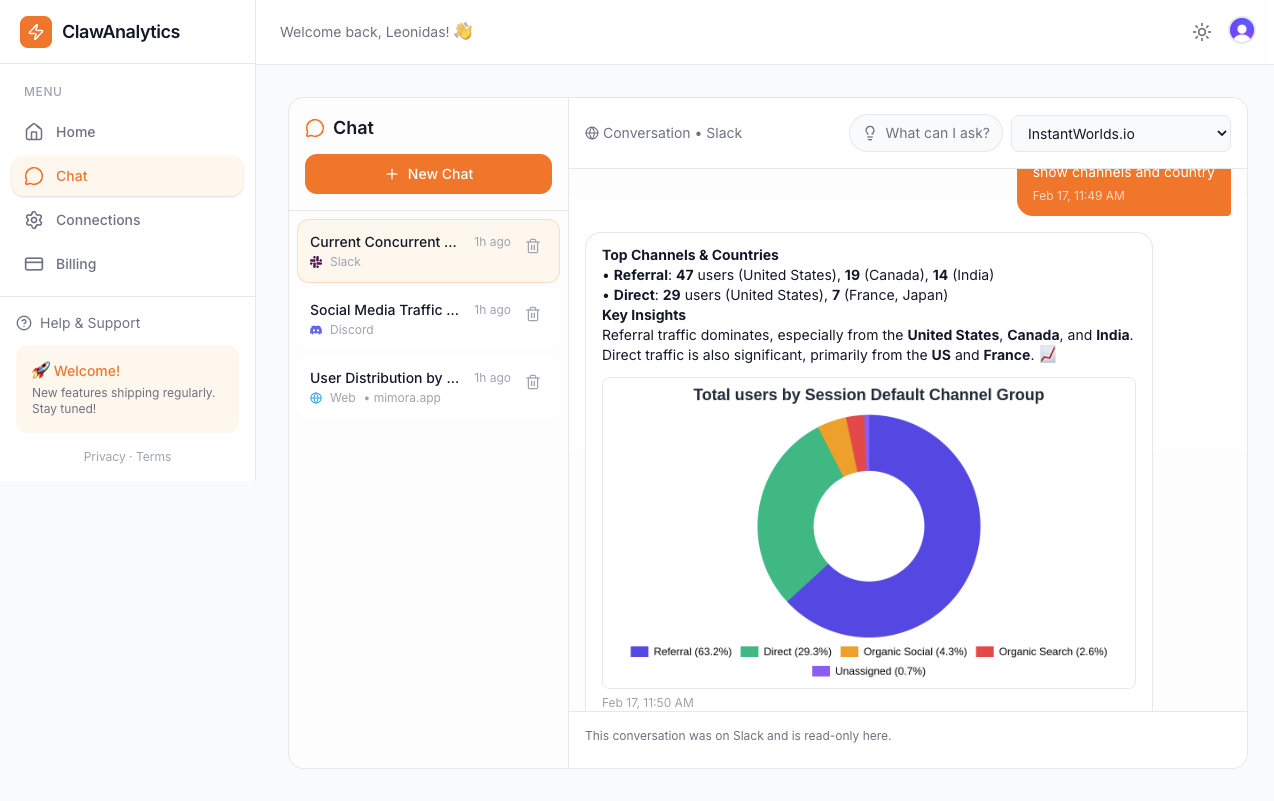
ClawAnalytics simplifies music school advertising tracking significantly.
By integrating directly with your scheduling and payment systems, ClawAnalytics automatically matches new students to their original advertising source and calculates real ROAS.
Questions ClawAnalytics answers instantly:
-
Are my piano lesson ads generating more revenue than my guitar ads, and is the difference significant?
-
Which advertising channel brings in students who stay longest?
-
What’s the actual cost to acquire a new violin student versus a drums student?
Instead of guessing which marketing efforts are worth continuing, you get clear data. Instead of managing multiple spreadsheets, you get one dashboard showing the full picture.
Quick Wins
Improve your music school’s ROAS with these strategies:
Segment by instrument. Create separate campaigns for different instruments. Piano might attract beginners while guitar pulls in more serious students.
Promote commitment packages. Offer a small discount for students committing to 6-month or annual plans. This increases lifetime value and improves ROAS automatically.
Showcase different skill levels. Advertise beginner-friendly group classes separately from advanced individual instruction. Different audiences respond to different messaging.
Leverage student performances. Video content of current students performing works exceptionally well for music schools. Post these to social media and boost the best performers.