How to Track Return On Ad Spend for Nonprofits
Imagine running a year-end fundraising campaign that costs $10,000 in ads but brings in $50,000 in donations. That is a 5:1 return, and it means your organization can do more good. But what if that same budget brought in only $15,000? Without tracking return on ad spend, you would not know the difference, and you might keep repeating what does not work.
Why Return On Ad Spend Matters for Nonprofits
Nonprofits often work with tight budgets and big missions. Every dollar spent on advertising needs to stretch as far as possible, and ROAS tells you whether it does.
First, it proves your impact to donors. When you can show that $1 in ad spend brings in $4 in donations, funders feel confident supporting your marketing. Second, it helps you focus on what works. Maybe Facebook brings in more small donors while Google brings in fewer but larger gifts. ROAS reveals these patterns. Third, it keeps your organization sustainable. If you spend more on ads than you bring in, you are burning resources that could go toward your mission. Fourth, it guides seasonal campaigns. You might find that Giving Tuesday performs differently than your spring appeal.
How to Check in GA4
Google Analytics 4 can track your donation pages and campaign performance. Here is how to set it up.
Start by linking your Google Ads and Meta for Nonprofits accounts to GA4. Create conversion events for donation completions, volunteer sign-ups, and event registrations. Assign values to each. A $100 average donation means each conversion is worth $100. If a volunteer contributes 10 hours at $25 per hour, that is $250 in value. Then, create reports in GA4 that show revenue divided by ad spend for each campaign. Look at your acquisition reports to see which sources bring the most valuable supporters.
The catch? You need to integrate with your donation platform, whether that is Stripe, Donorbox, or another tool, to get accurate revenue data.
The Easier Way
Let us be honest: most nonprofit teams are small and stretched thin. You do not have time for complex analytics setup. This is where ClawAnalytics comes in.
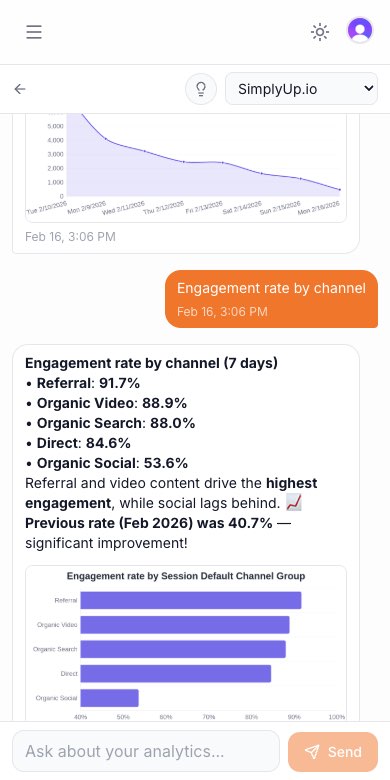
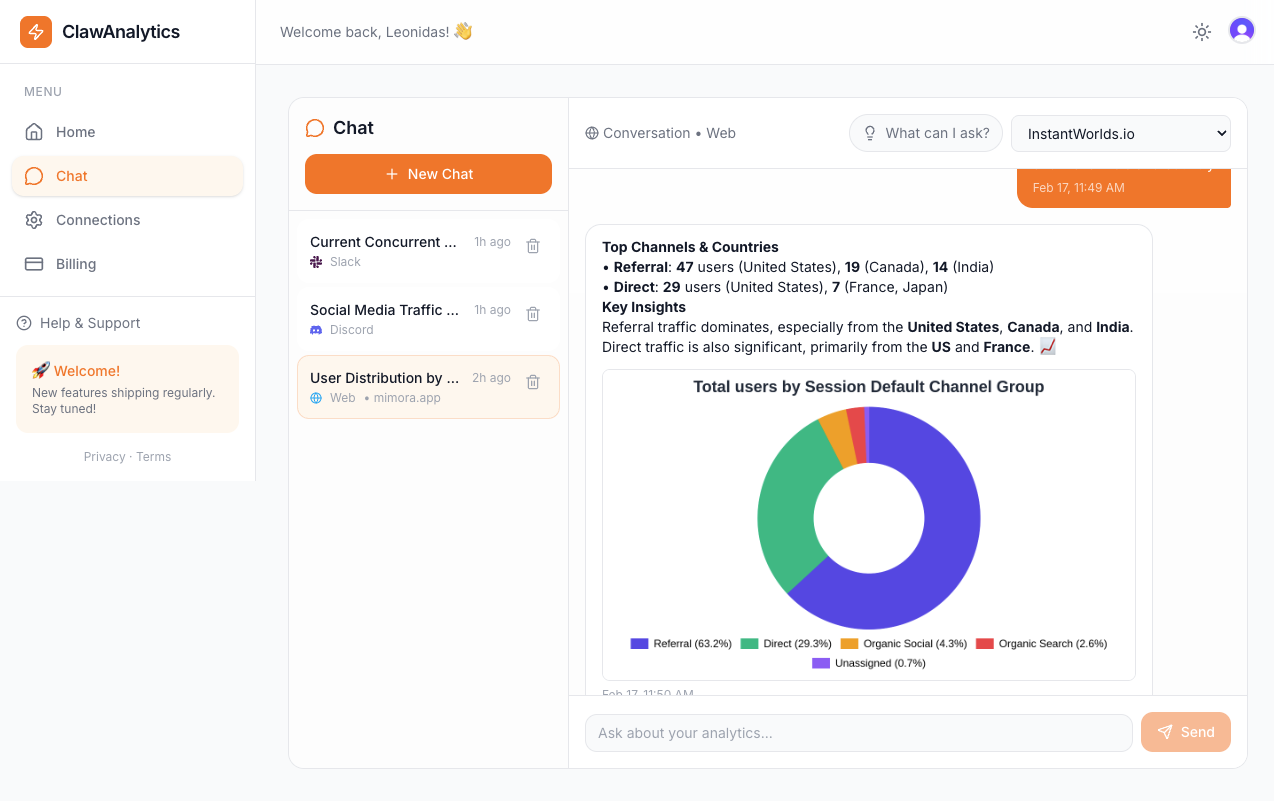
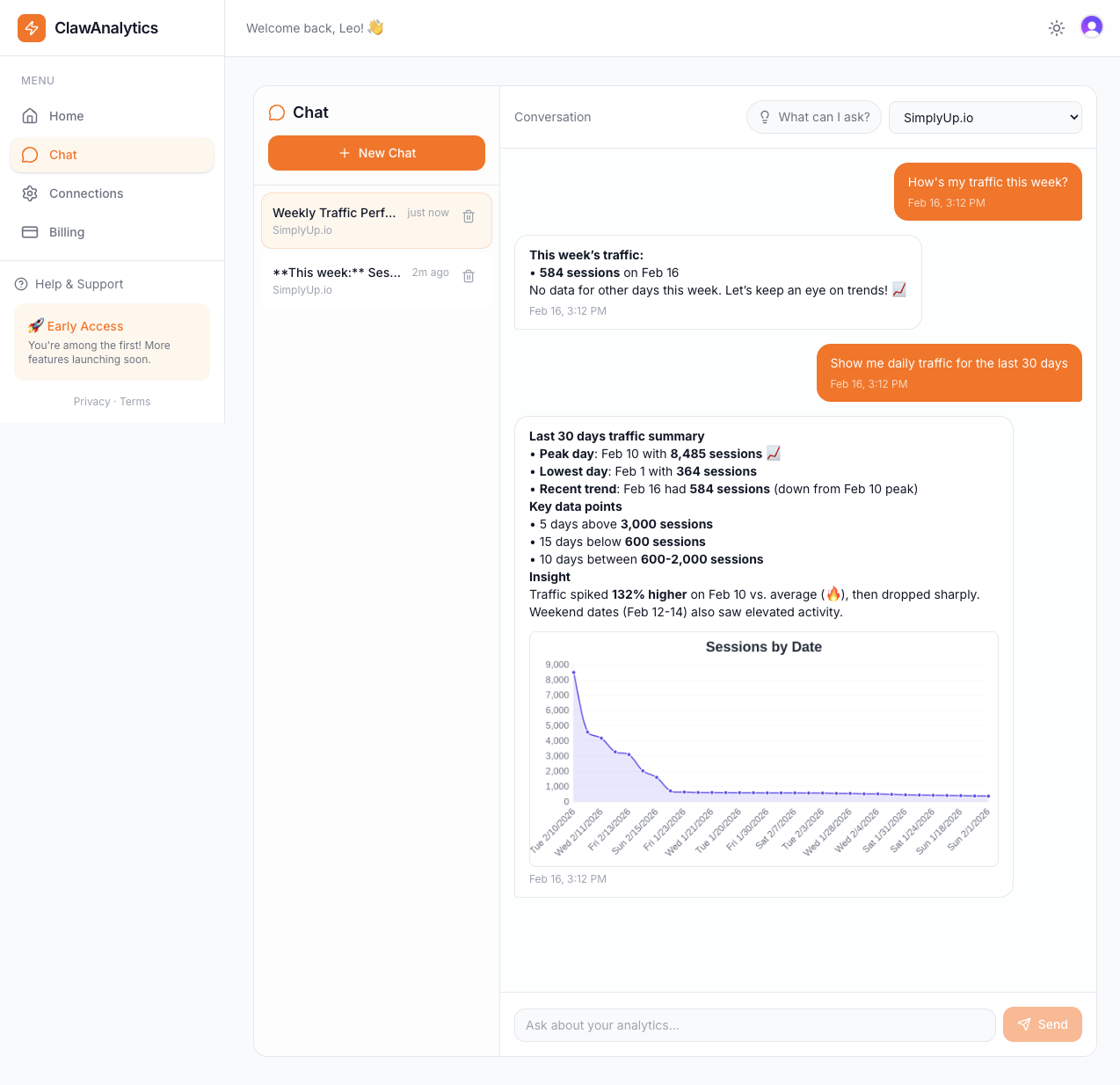
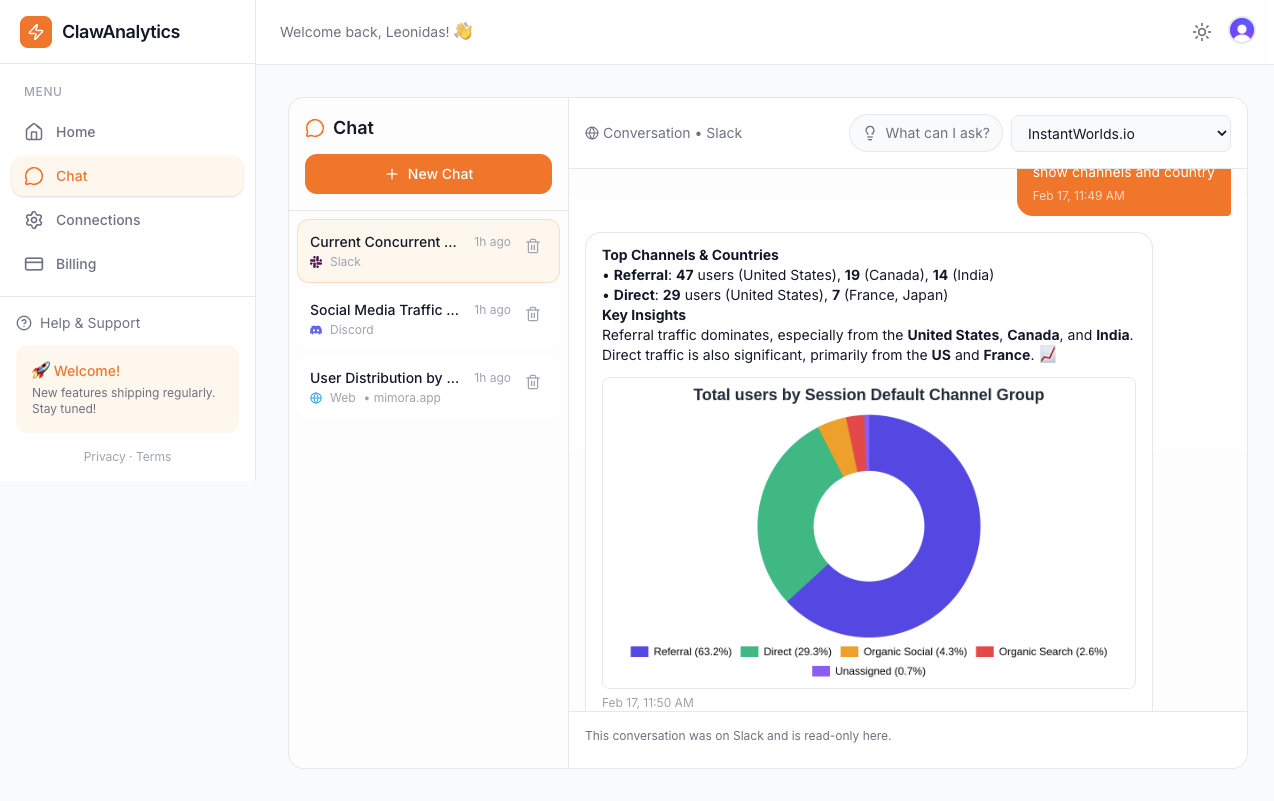
ClawAnalytics pulls data from all your ad platforms and automatically calculates ROAS for each campaign. You see which ads bring in donors, which bring in volunteers, and which are just spending money without results. The tool handles the tracking so your team can focus on the mission.
With ClawAnalytics, you can answer questions like: “Which campaign brought in the most donors this month?” or “Should we spend more on Google Grants ads or paid Facebook?” The answers are there, simple and actionable.
Quick Wins
Here are three things you can do today to start tracking ROAS better.
Set up donation tracking on your website. Most donation platforms offer conversion tracking. Add the pixel or tag to your confirmation page so every donation gets recorded.
Use unique landing pages for each campaign. Something like yoursite.org/give/tuesday or yoursite.org/donate/winter lets you see exactly which ads drive donations without complex setup.
Review your ROAS monthly. Block out an hour to check which campaigns paid off and which did not. This regular check catches problems early and helps you optimize before the next campaign launches.