How to Track Scroll Depth for Accountants
Imagine your website has a brilliant page about tax preparation services, but visitors keep bouncing after seeing the first paragraph. You would never know unless you track scroll depth. This metric tells you exactly how far down the page people read, revealing where your content works and where it loses them.
Why Scroll Depth Matters for Accountants
Scroll depth is one of the simplest ways to understand if your website content actually gets read. For accounting firms, this matters for several reasons.
First, it reveals content effectiveness. If your services page only gets scrolled 30%, your value proposition is not compelling enough. Second, it shows engagement patterns. You might find that visitors scroll past your team photos but stop at your pricing section. Third, it helps prioritize updates. Instead of guessing what needs work, you know exactly which pages lose readers. Fourth, it improves conversion chances. Visitors who scroll deeper are more likely to contact you for a consultation.
How to Check in GA4
GA4 makes scroll tracking straightforward once you know where to look.
Start by enabling scroll tracking in your GA4 property. Go to Configure, then Events, and look for scroll events. GA4 automatically collects scroll data when users reach 25%, 50%, 75%, and 100% of your pages. Next, create a custom report. Go to Explore, then blank, and add scroll depth as a dimension and sessions as a metric. Break this down by page path to see which pages perform best. Then, set up comparisons. Compare scroll depth on your highest-converting pages versus pages where visitors leave quickly.
The challenge? GA4 scroll data is raw. You still need to interpret what percentage is good or bad for your specific industry and adjust your content strategy accordingly.
The Easier Way
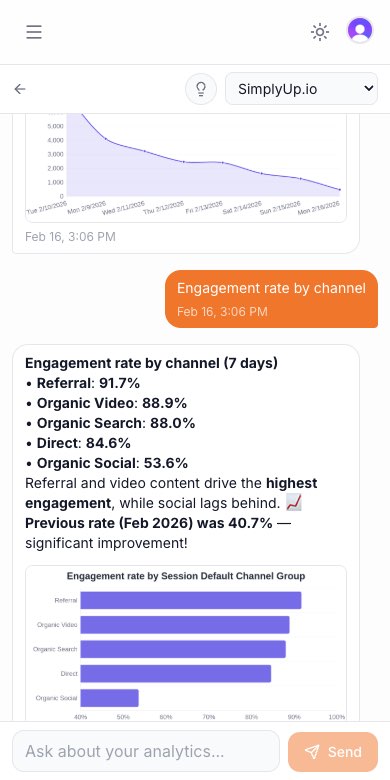
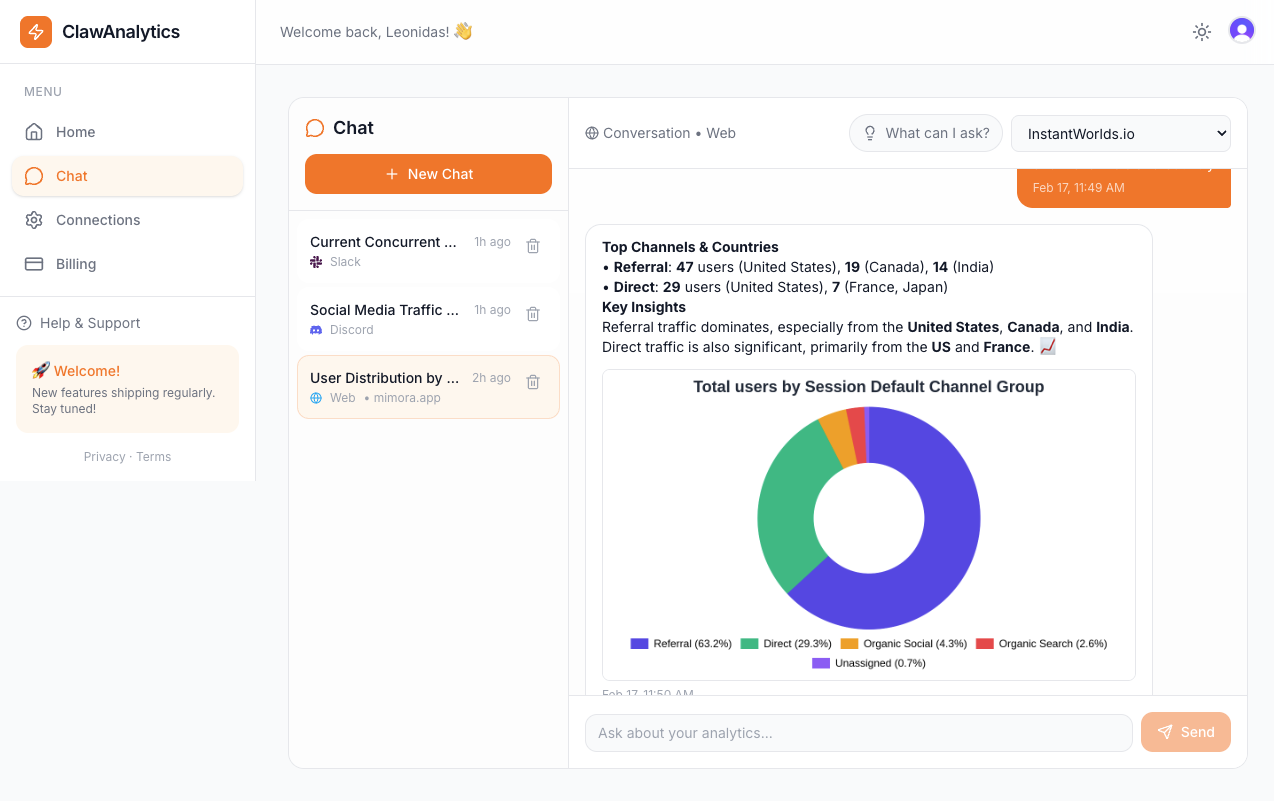
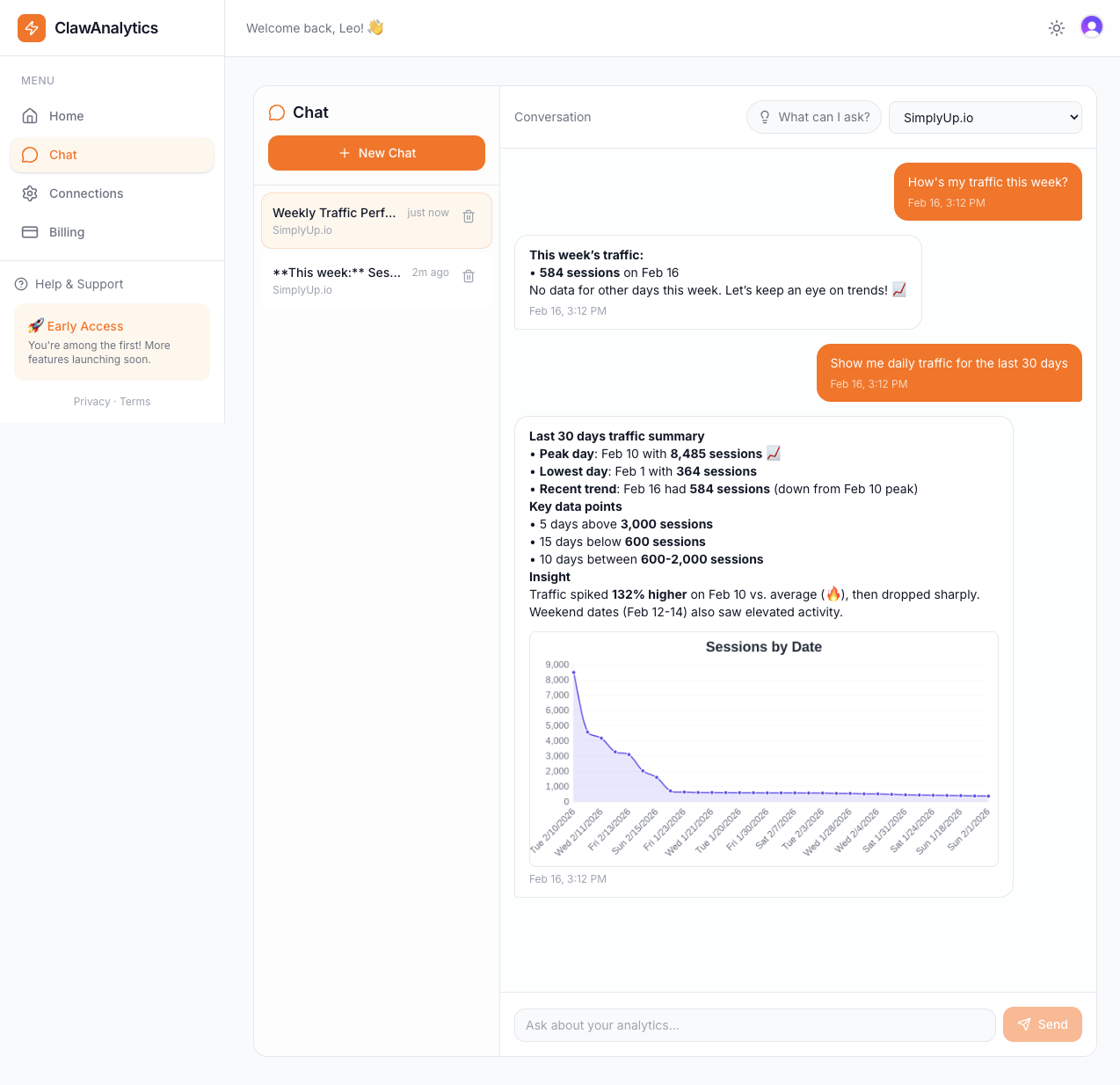
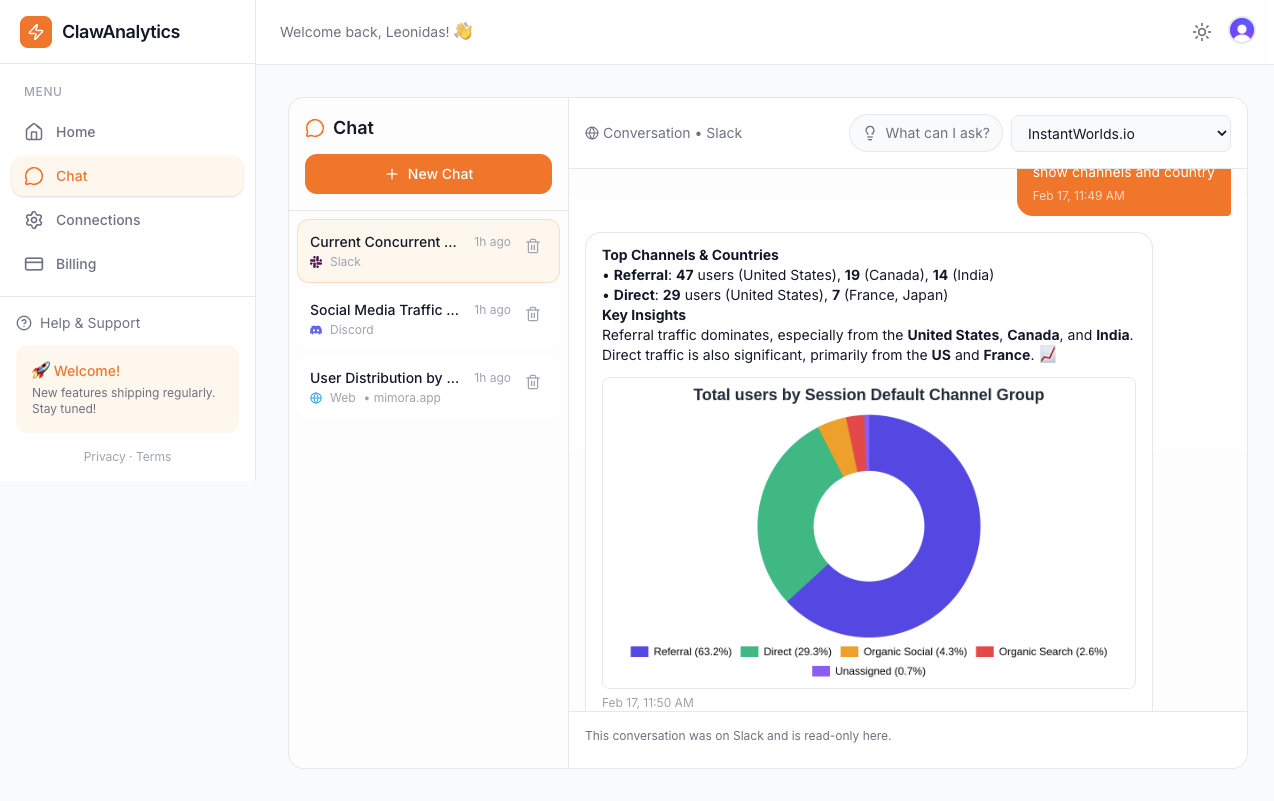
ClawAnalytics simplifies scroll depth tracking by putting the insights directly alongside your conversion data.
Instead of hunting through GA4 reports, you see which pages keep visitors engaged and which ones lose them. You can answer questions like: “Do visitors scroll through our entire tax services page?” or “Is our about page keeping potential clients interested until they see our team?” The dashboard shows you exactly where to focus your content updates.
ClawAnalytics also compares scroll depth with actual consultation bookings, so you know not just if people read, but if reading leads to clients.
Quick Wins
Here are three things you can do today to improve scroll depth on your accounting website.
Make your opening hook stronger. The first 25% of any page is crucial. Use a compelling headline, brief value proposition, and clear next step to pull readers deeper into the page.
Add visual breaks every 300 words. Walls of text kill scroll depth. Use bullet points, subheadings, images, and short paragraphs to keep readers moving down the page.
Add a sticky consultation CTA. Once visitors scroll past 50%, they are interested. A sticky button or sidebar ensures they can act on that interest without scrolling back up.