How to Track Scroll Depth for Auto Dealers
Car buying has moved online. Modern shoppers spend hours researching vehicles before ever setting foot in a showroom. Your website is the first experience they have with your dealership. Scroll depth tracking reveals exactly what they see and where you lose them. It turns website visits into measurable data that drives more sales.
Why Scroll Depth Matters for Auto Dealers
Vehicle listings must perform. Shoppers compare your inventory against competitors. Scroll depth shows whether they see your full lot or leave after viewing the first few vehicles.
Financing builds trust. Most buyers need auto loans. If visitors never scroll to your financing section, they might leave without understanding their options.
Service departments need visibility. Your service center drives long-term revenue. Scroll data shows whether current customers find your maintenance offers or bounce to competitors.
Trade-in values attract buyers. Trade-in calculators and values keep shoppers on your site longer. Scroll depth reveals whether they reach these tools.
How to Check Scroll Depth in GA4
Google Analytics 4 tracks scroll automatically. Here’s how to access it:
- Open GA4 and go to the Events report
- Search for scroll to see scroll_25, scroll_50, scroll_75, and scroll_100
- Create a custom exploration with Page Path as a dimension
- Filter by /inventory or /vehicles to focus on listing pages
- Compare scroll rates across vehicle categories
Low scroll rates on inventory pages indicate layout or loading problems. High rates suggest your listings are compelling and easy to browse.
The Easier Way
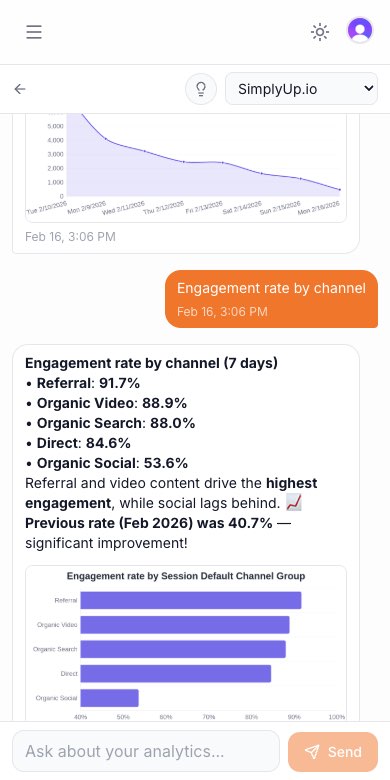
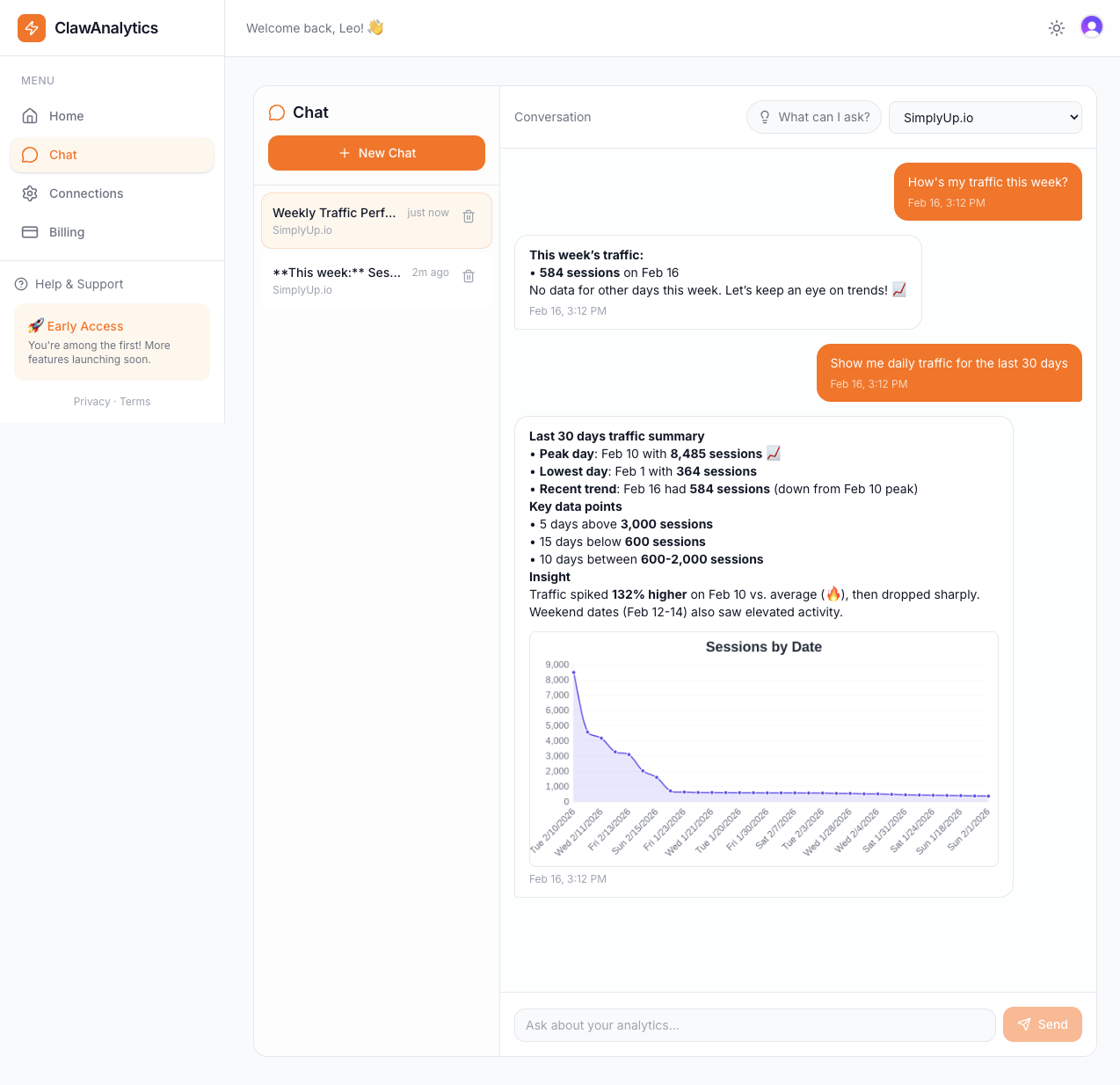
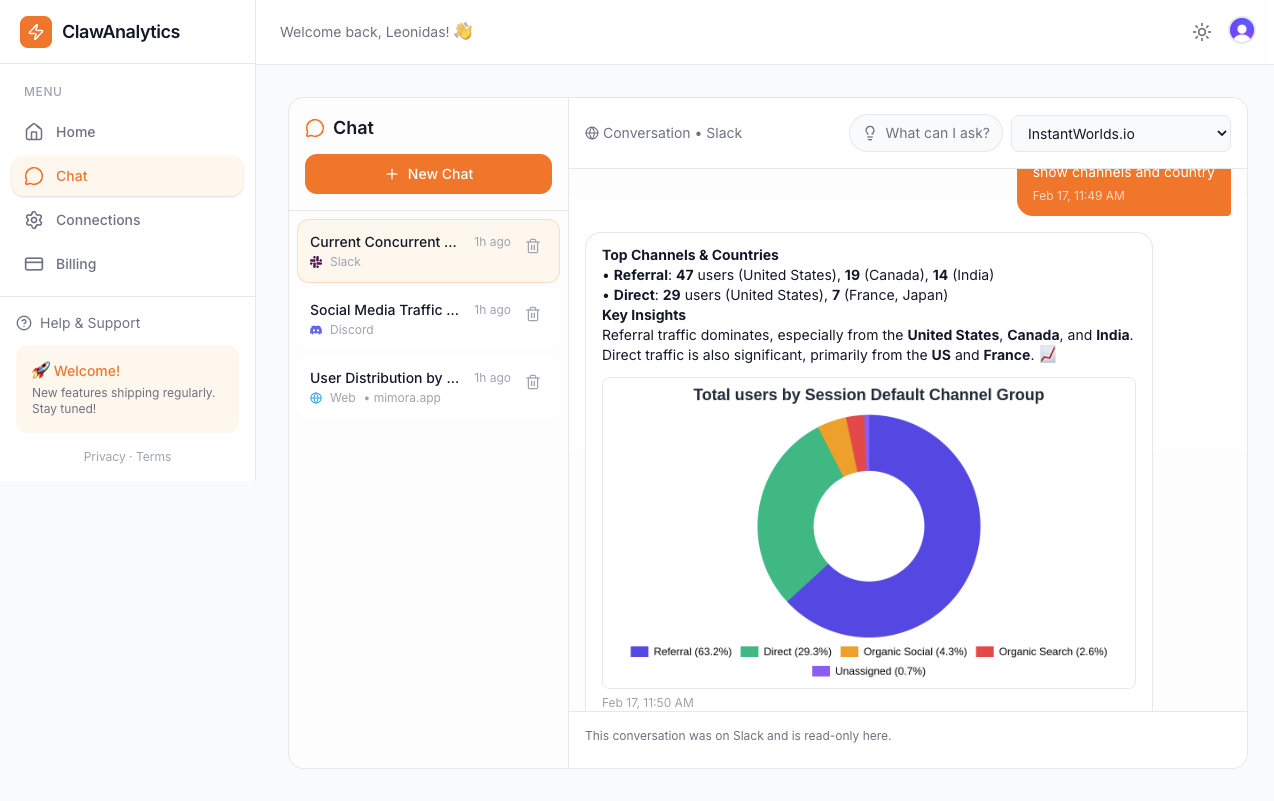
ClawAnalytics simplifies scroll depth into insights auto dealers can actually use. You see visual representations of where shoppers stop scrolling, connected to actual showroom visits.
A dealership found that their luxury vehicle listings had very low scroll depth. The pages loaded slowly on mobile and featured too many large images. Optimizing for mobile increased engagement dramatically.
ClawAnalytics answers questions like:
- Which vehicle makes and models keep shoppers interested longest
- Do visitors scroll through full vehicle details or bounce early
- How do your pages compare against competitor dealer sites
The platform ties scroll depth to lead submissions, so you know which pages generate business.
Quick Wins
Feature your best inventory at the top. Scroll data shows early vehicles get the most attention. Put your most desirable cars and trucks in the first positions.
Optimize image loading. Auto listings are image-heavy. Slow loading kills scroll depth. Use optimized images and lazy loading to keep shoppers engaged.
Add pricing above the fold. Car buyers want to know costs immediately. If prices are hidden below the fold, scroll depth suffers.
Include financing CTAs in multiple places. Don’t make visitors scroll to the bottom for payment options. Place calculator links throughout the page.