How to Track Scroll Depth for Consultants
Your website is your storefront. When a potential client lands on your services page, they decide in seconds whether you’re worth their time. Scroll depth tracking tells you exactly what they see before they leave. It reveals whether your best case studies get read or stay hidden.
Why Scroll Depth Matters for Consultants
Expertise must be visible. Unlike product purchases, consulting services require trust. Visitors need to see your credentials, past results, and approach before they’ll even consider a call. Scroll depth proves they’re getting there.
Long pages are common in consulting. Service descriptions, methodologies, and case studies take space. But space without engagement is wasted space. Scroll data tells you if all that content helps or hurts.
Mobile and desktop behave differently. A consultant’s LinkedIn profile might drive mobile traffic, while enterprise clients use desktop. Scroll depth broken down by device shows where your mobile experience falls short.
Your contact page matters too. Consultants often forget to track their contact or booking page. But if prospects reach the bottom and still don’t convert, something’s wrong with your CTA or the page itself.
How to Check Scroll Depth in GA4
Google Analytics 4 makes scroll tracking straightforward. Here’s the process:
- Open GA4 and navigate to Explore
- Create a new exploration with Sessions as the metric
- Add Scroll Depth as a dimension and filter by your service pages
- Compare scroll_100 rates across different landing pages
- Look for pages where scroll depth has dropped over time
You can also use the Events report. Search for scroll to find the automatic scroll events GA4 fires. The percentage indicates how far down the page visitors traveled.
The Easier Way
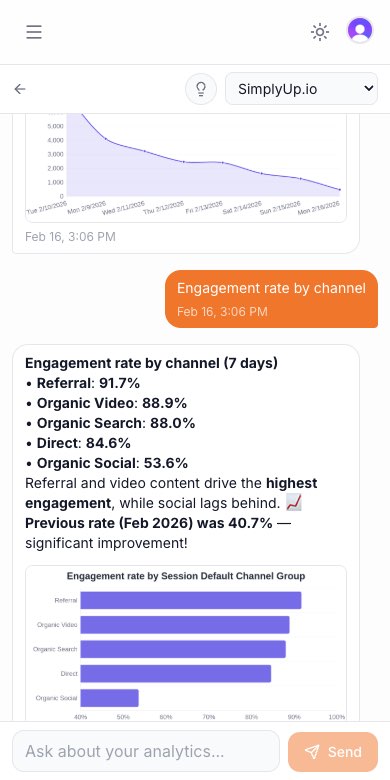
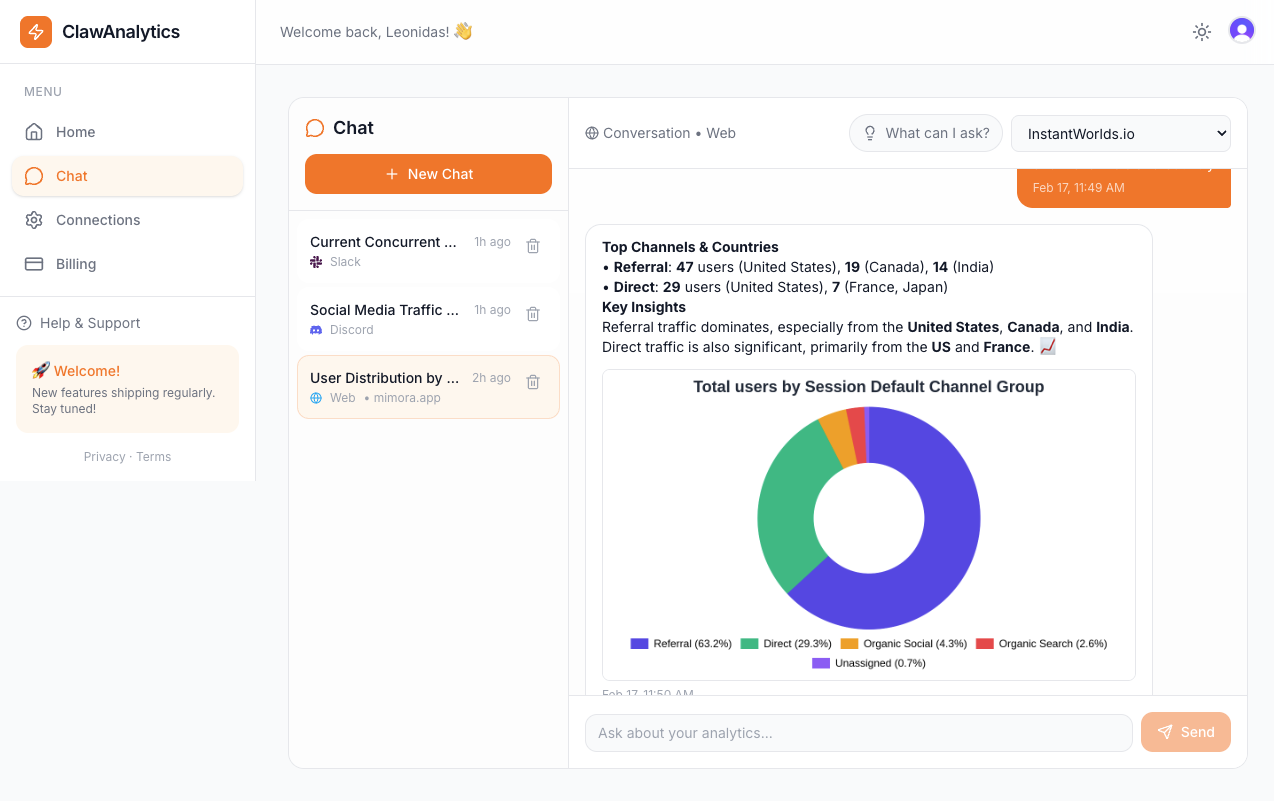
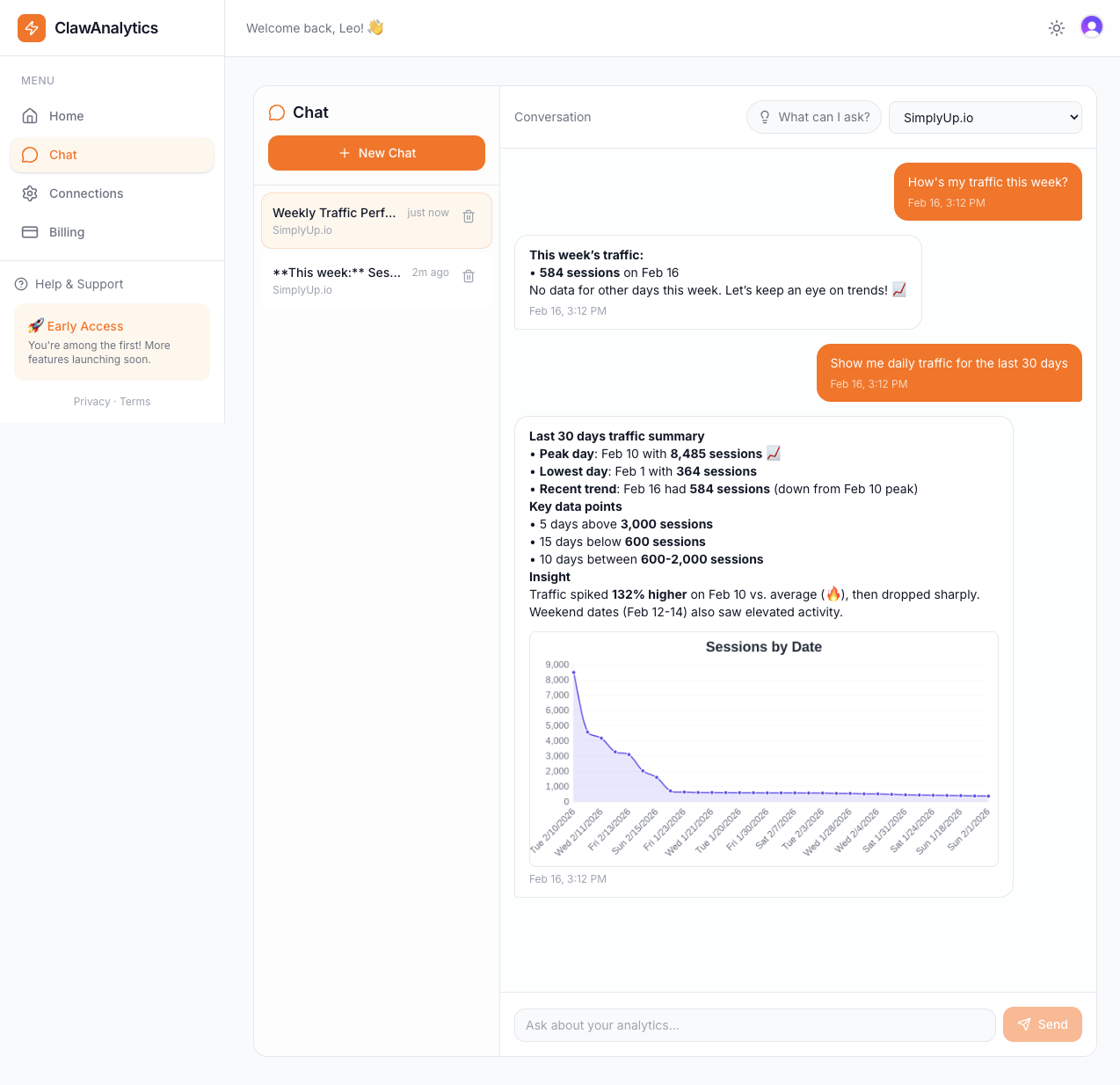
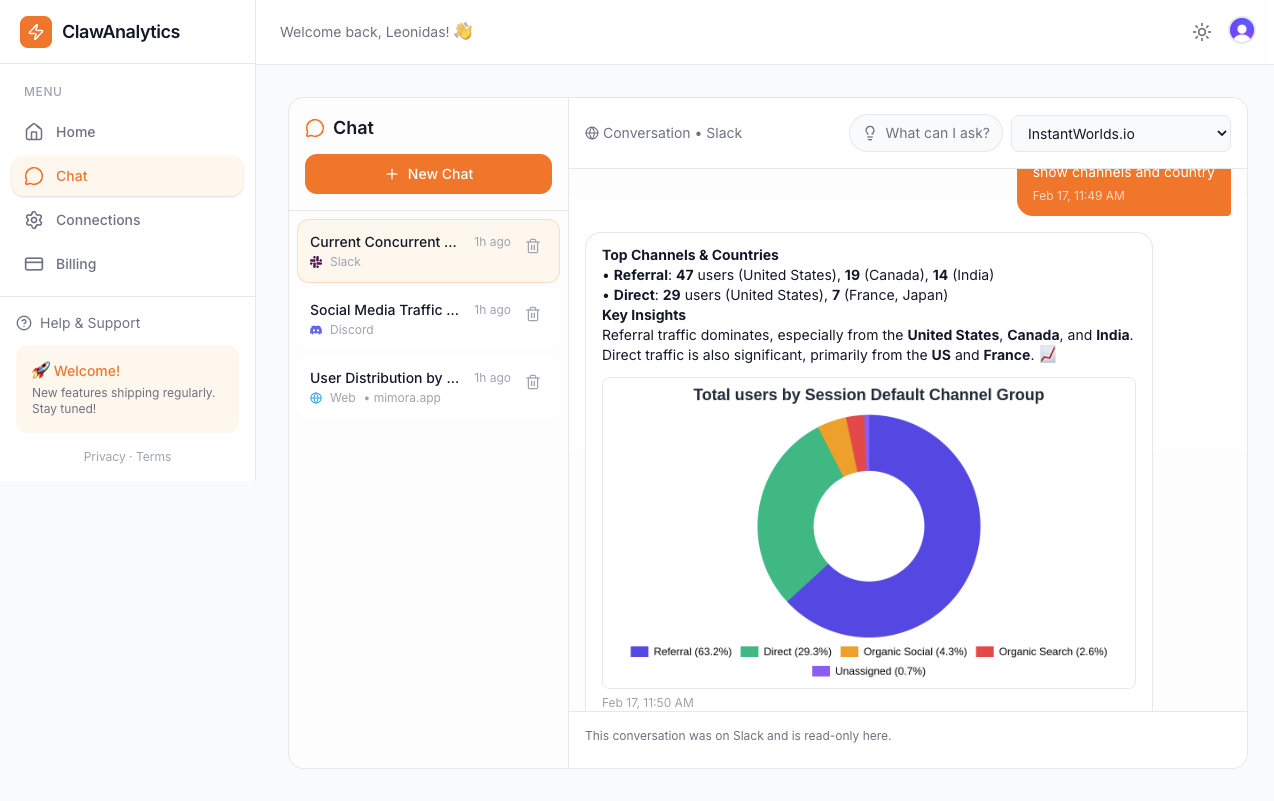
ClawAnalytics takes the work out of scroll depth analysis. Rather than building custom reports, you see visual representations of exactly where visitors stop reading.
One consultant found that their case study section, which they thought was their strongest content, sat below the fold where almost no one saw it. They restructured the page to lead with results, and inquiry volume increased.
ClawAnalytics answers questions like:
- Which consultant service pages deserve more investment
- Where do qualified leads drop off vs casual browsers
- How does page load speed affect scroll behavior
The platform shows scroll depth in context, so you know which pages need structural changes versus simple copy tweaks.
Quick Wins
Lead with results, not methodology. If your scroll data shows visitors leaving before case studies, move those results above the fold. Prospects care about outcomes before process.
Break up long text blocks. Bullets, bold key phrases, and subheadings help visitors scan your content. If they scroll without reading, better formatting keeps them engaged longer.
Test a single-column layout. Some consulting pages work better without sidebars. Removing distractions increases the chance visitors reach your CTA.
Add progress indicators on long pages. A simple scroll progress bar shows visitors how much is left. This reduces bounce rates on detailed service pages.