How to Track Scroll Depth for Legal
Picture this: a potential client lands on your personal injury page, reads the header, and leaves within seconds. Without scroll depth tracking, you’d never know they didn’t see your successful case results or consultation CTA. This metric reveals exactly how far visitors scroll through your most important pages.
Why Scroll Depth Matters for Legal
Law firm websites serve clients at different stages of their legal journey. Here’s why scroll depth is critical:
- Practice area pages need comprehensive content. Clients want details about your experience, not just a brief summary. But lengthy pages risk abandonment if key information is buried.
- Attorney bios build trust. Potential clients read these to decide if they’ll work with you. Scroll depth shows whether they reach the end or stop midway through credentials.
- Case results demonstrate credibility. These sections often appear lower on pages but contain powerful social proof. If visitors never scroll far enough, you’re missing conversion opportunities.
- Consultation CTAs need visibility. Whether at the top or bottom of pages, you need to know if clients actually see your call to action.
How to Check Scroll Depth in GA4
Google Analytics 4 automatically tracks scroll behavior. Here’s how to access it:
- Log into GA4 and select your property
- Go to Configure > Events to see all tracked events
- Find scroll events (scroll_25, scroll_50, scroll_75, scroll_90)
- Click on a scroll event to see which pages trigger it most
- Build a custom exploration comparing scroll rates by page path
Each number represents the percentage of page height. Scroll_90 means the visitor reached 90% down the page.
The Easier Way
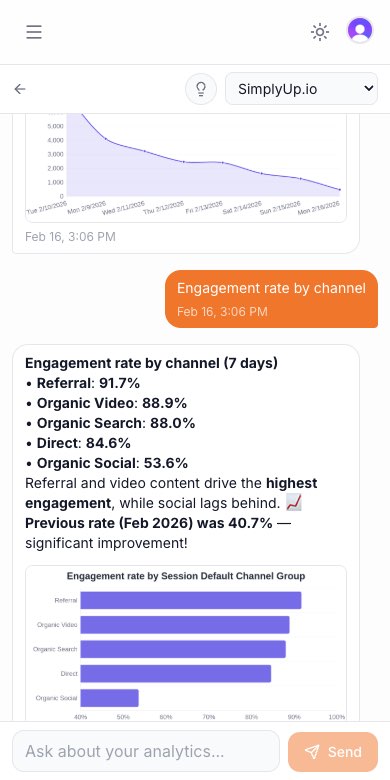
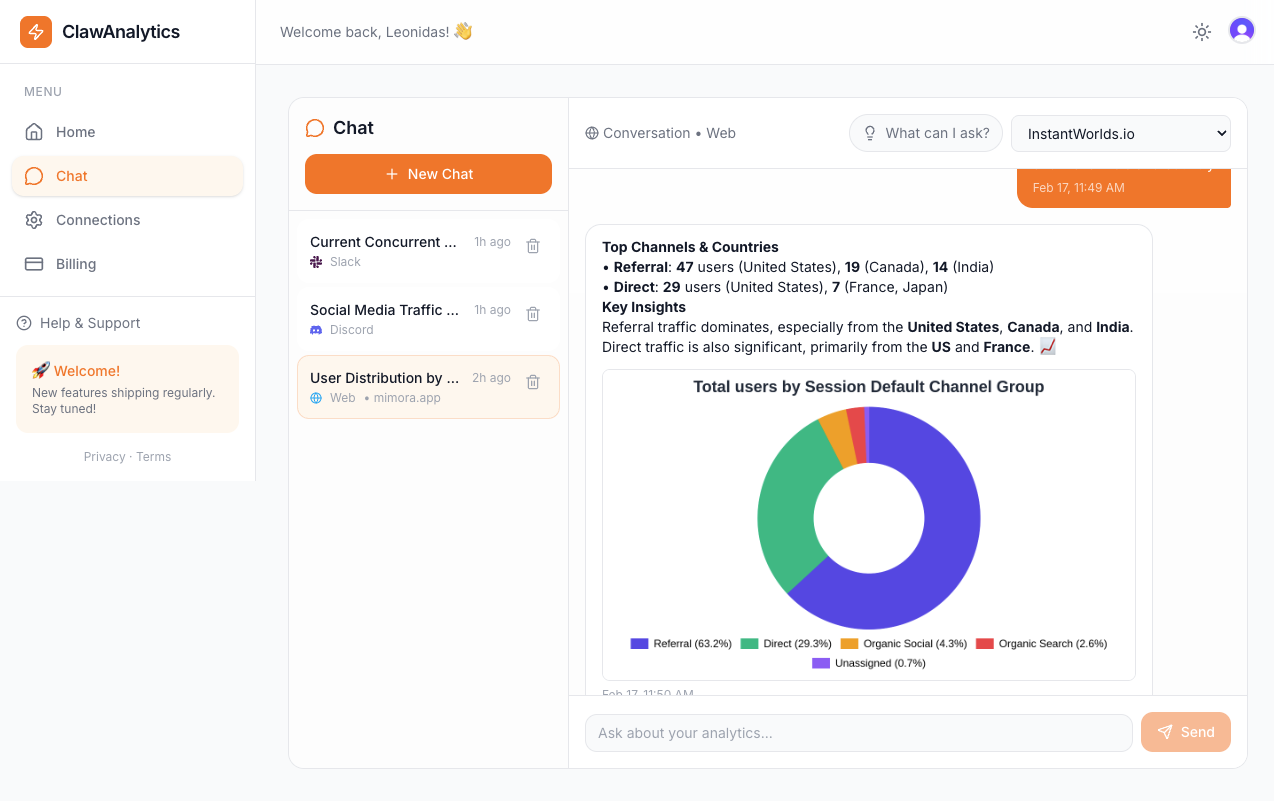
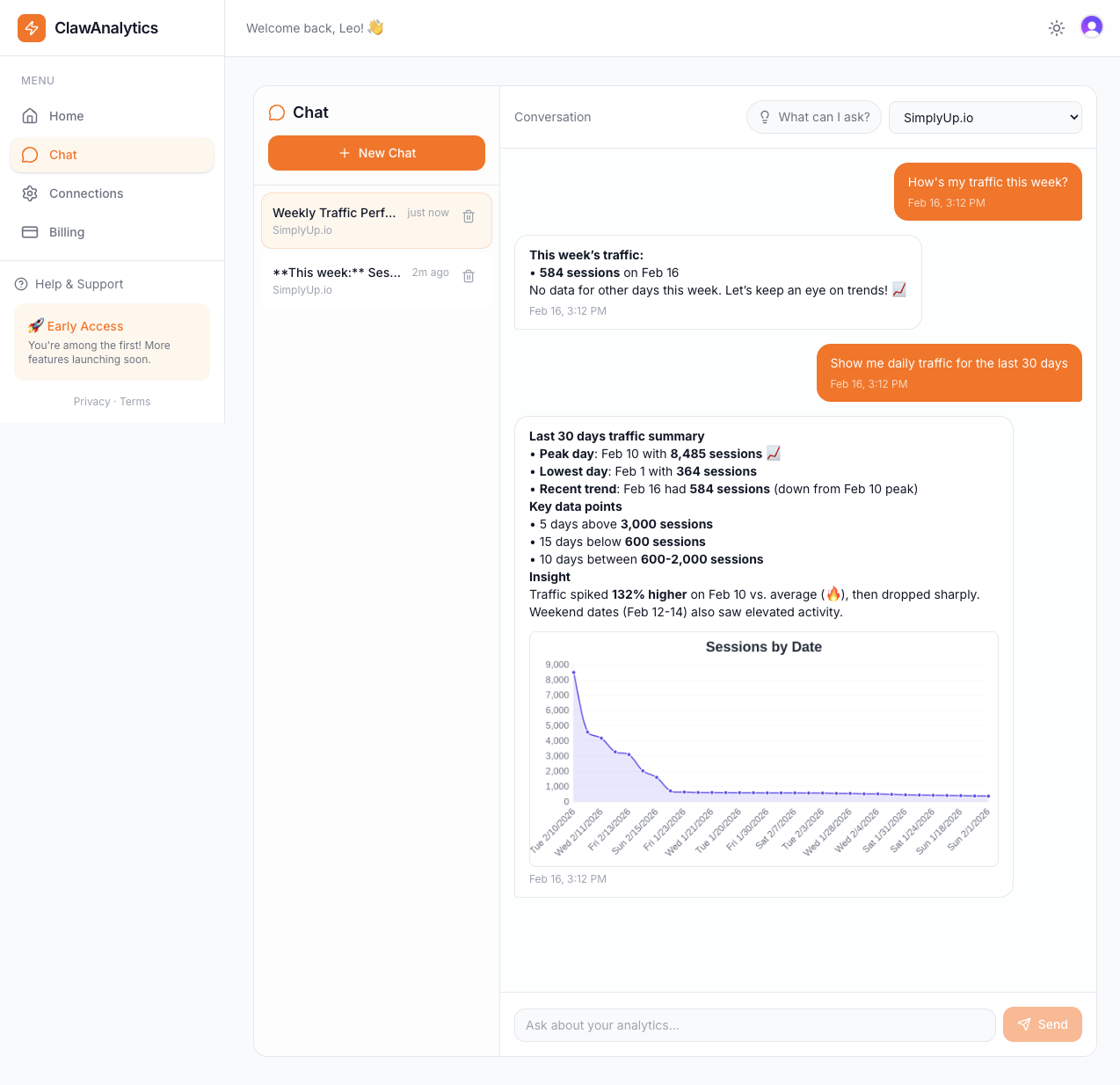
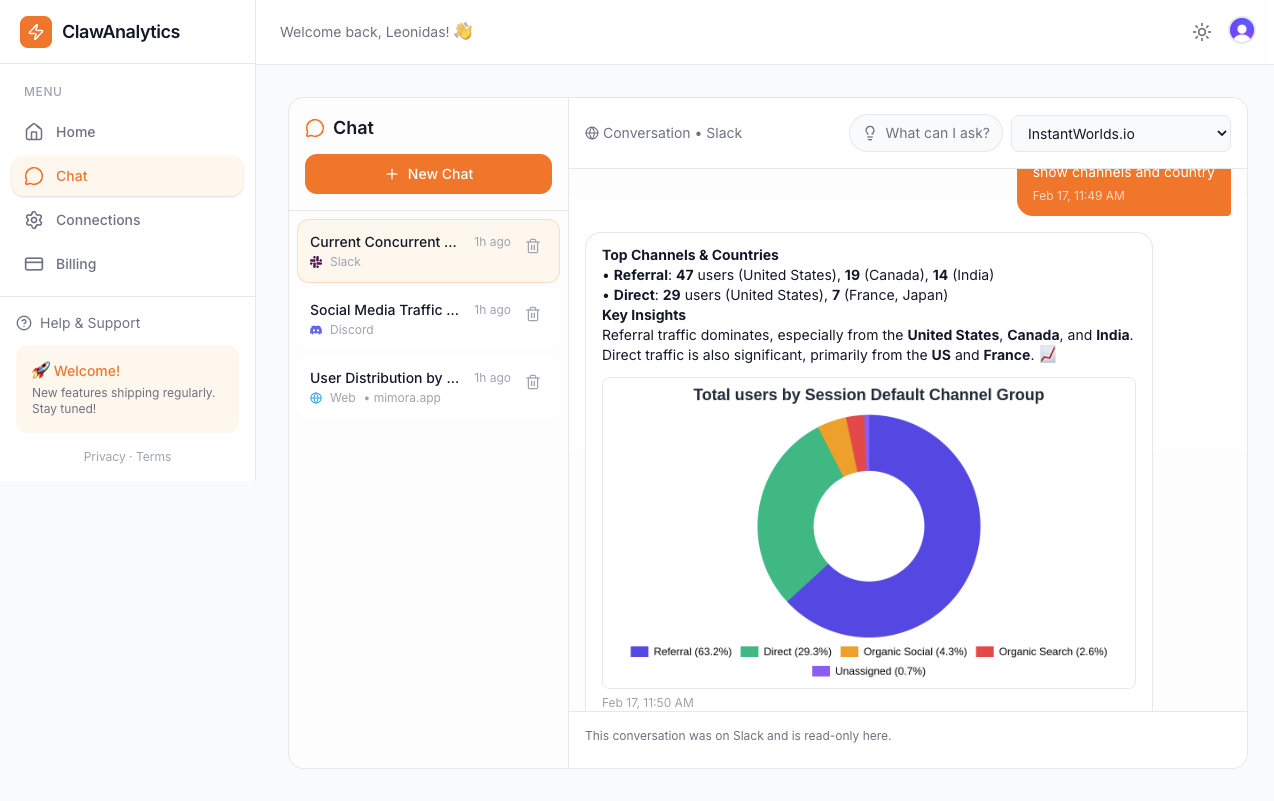
Parsing GA4 scroll data takes analytical skill. ClawAnalytics makes it simple for busy attorneys.
Legal professionals use ClawAnalytics to ask:
- Are potential clients reading the full details of our family law practice area, or stopping at the overview? Full-length content needs confirmation.
- Do visitors scroll through attorney profiles to reach the contact form, or abandon early? This informs CTA placement decisions.
- Which blog posts keep readers engaged to the end? Top content reveals what clients want to read.
You receive alerts when scroll patterns change, so you can quickly investigate whether a new page layout is hurting conversions.
Quick Wins
Optimize your law firm website with these scroll depth strategies:
- Place primary CTAs above the fold. Don’t require scrolling to find your consultation booking button.
- Use scrolling testimonials. Place client quotes at natural scroll points to keep visitors moving down the page.
- Break long practice area pages into sections. Clear headings help scrollers find relevant information faster.
- Add a sticky contact bar. As visitors scroll through long content, keep your phone number and form accessible.
- Test content length. Some practice areas convert better with abbreviated pages linking to detailed PDFs.
Scroll depth reveals the hidden story of how clients interact with your legal content. Use that data to turn more visitors into case inquiries.