How to Track Scroll Depth for Plumbers
Imagine a potential customer lands on your emergency plumbing page, scrolls past your services list, sees your pricing, and then bounces. Without scroll depth tracking, you’d only know they left. You’d never know they made it 70% down the page. That’s a missed opportunity to fix what drove them away.
Why Scroll Depth Matters for Plumbers
When someone searches for a plumber, they want quick answers. Scroll depth tells you if they’re getting them.
Key reasons to track this metric:
-
Service page effectiveness. Your drain cleaning page might get twice the engagement as your water heater page. Scroll depth data shows which services interest visitors most, so you can prioritize content updates.
-
Pricing section visibility. Many plumbing customers bounce when they hit pricing. If most visitors never reach your prices, your page layout might need restructuring to show value before cost.
-
Mobile experience. Mobile users scroll differently than desktop. Scroll depth reports break down by device, revealing if your mobile visitors can actually find what they need.
-
CTA placement. If 80% of visitors scroll past your contact form, moving it higher could increase leads. Scroll depth reveals exactly where your audience stops engaging.
How to Check in GA4
Setting up scroll depth tracking in GA4 takes a few minutes:
- Open GA4 and go to Admin > Data Streams
- Select your website stream
- Click Configure enhanced measurement
- Ensure Scrolls is enabled
- Save changes
Once enabled, GA4 automatically tracks when users reach 25%, 50%, 75%, and 100% scroll points. To see the data:
- Go to Reports > Engagement > Pages and screens
- Add a comparison for scroll depth segments
- Look at the “Average scroll depth” column to rank pages
You’ll quickly spot which plumber service pages deserve more attention and which ones are performing well.
The Easier Way
GA4’s scroll depth data is powerful but takes time to master. Most plumbers need a simpler solution.
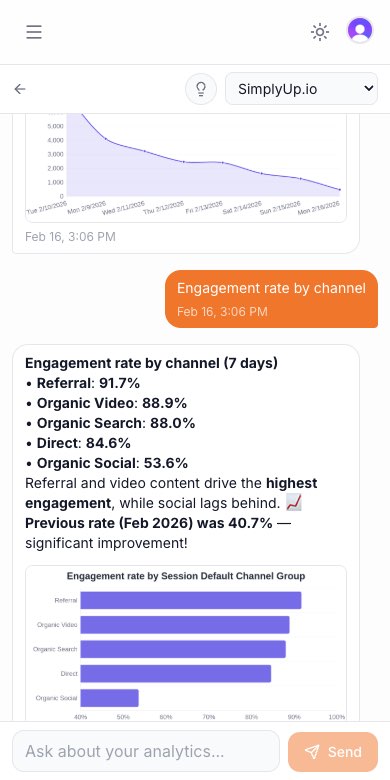
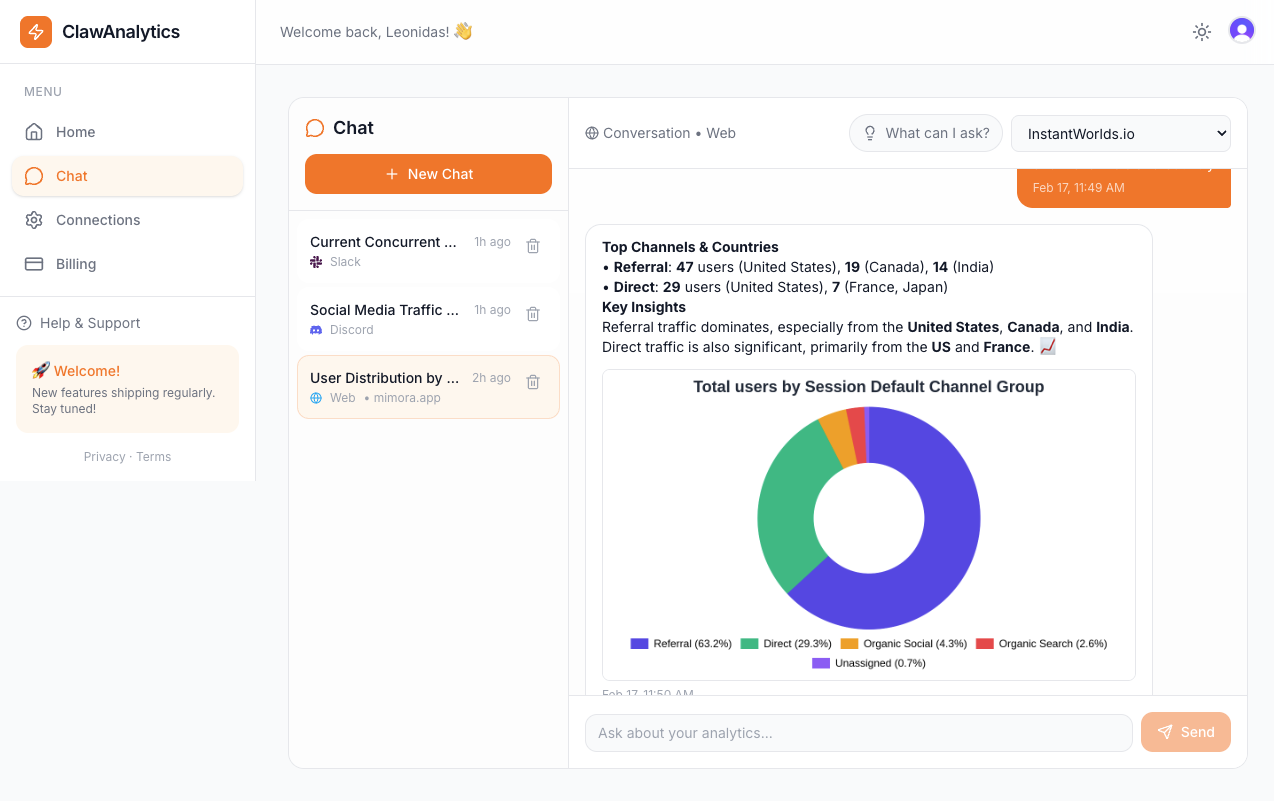
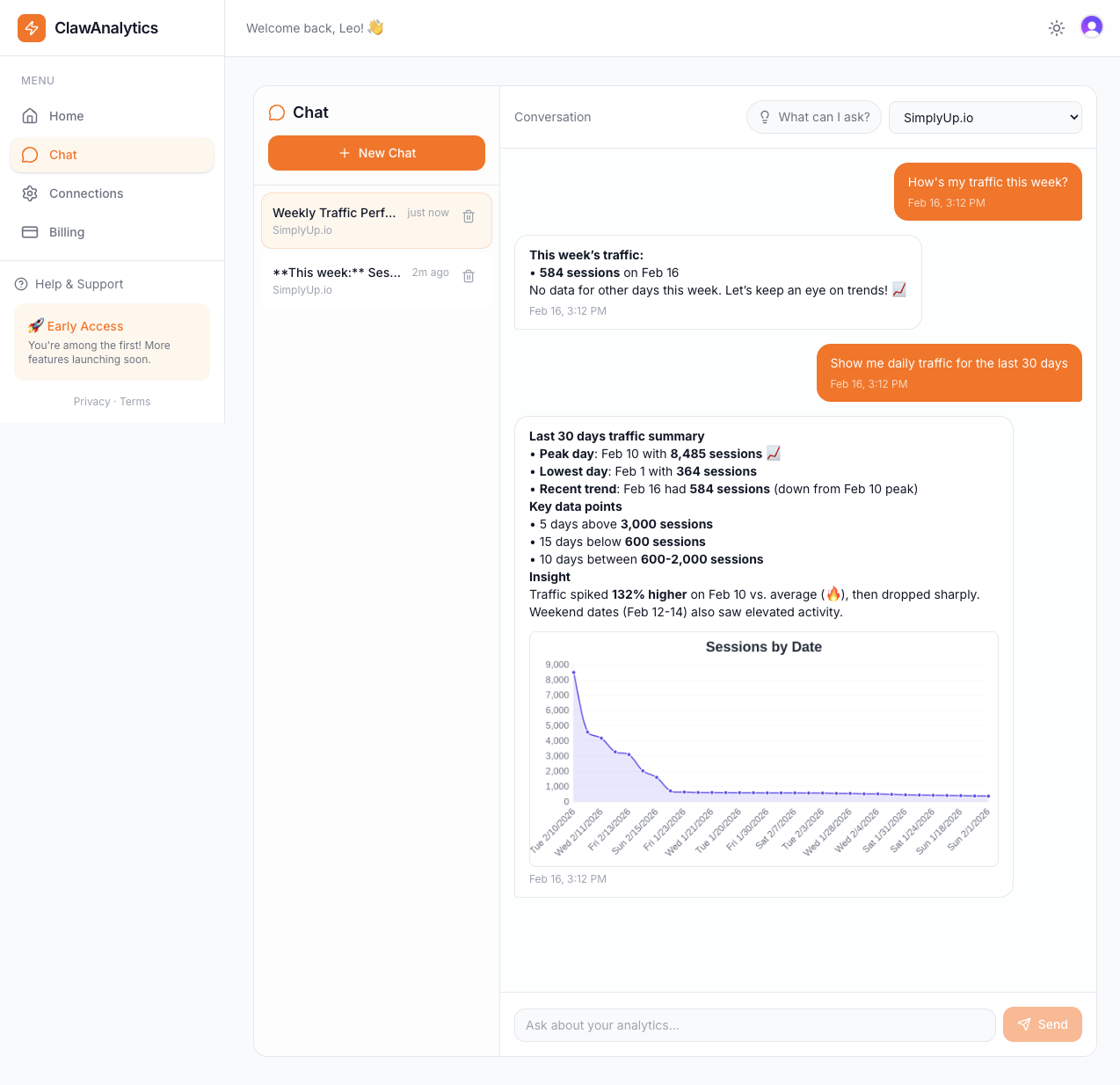
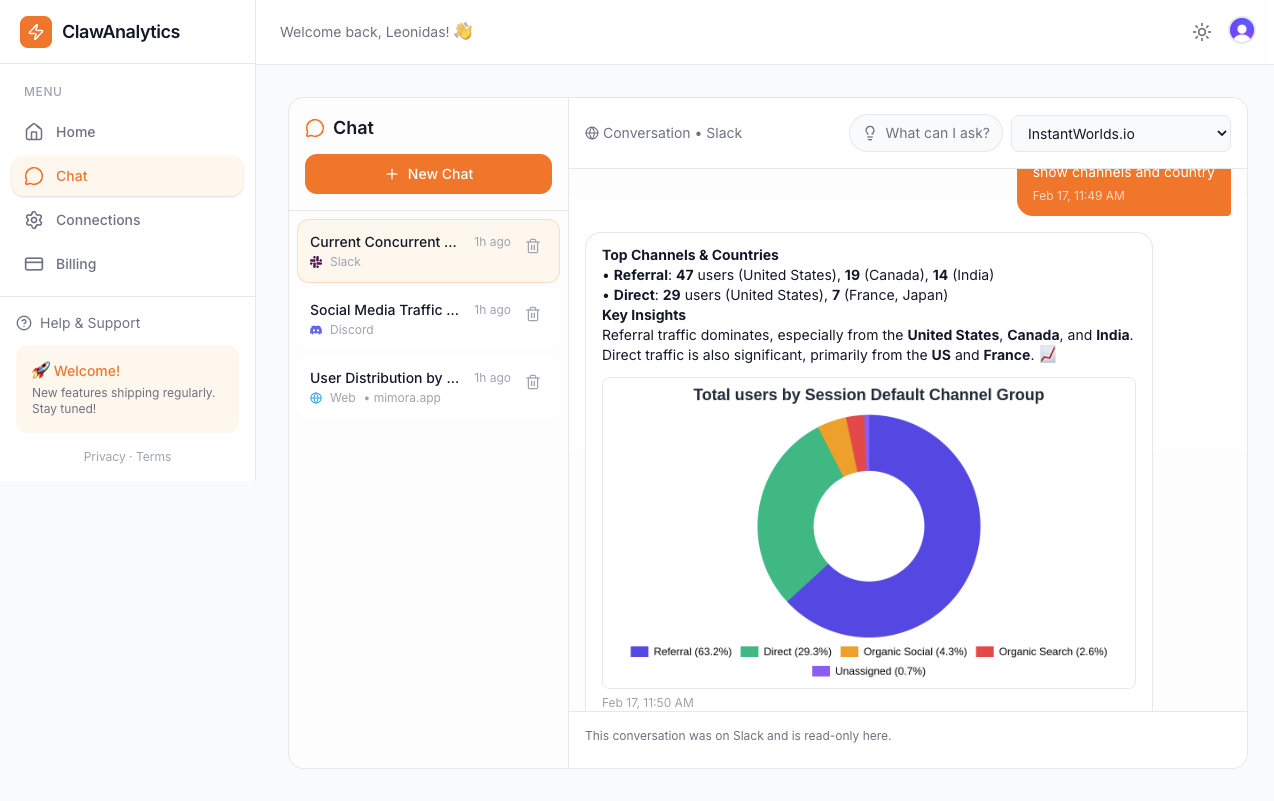
ClawAnalytics gives you scroll depth insights without the learning curve. You see at a glance which pages work and which don’t. For example, you might discover that your “Sump Pump Installation” page keeps 65% of visitors engaged while your “Toilet Repair” page loses them at 40%. That kind of insight takes hours to find in GA4 but seconds in ClawAnalytics.
You could also ask: Which blog posts about plumbing tips keep readers to the end? Do DIY plumbing guides perform better than service-specific content? These questions answer themselves when you have clear scroll depth data.
Quick Wins
Start using scroll depth data today with these simple actions:
- Audit your top 5 service pages and rank them by average scroll depth. Update the worst performer first.
- Move CTAs above the fold if scroll data shows most visitors bounce before 50%.
- Shorten long pages that lose traction around the 60% mark. Break them into multiple focused pages.
- Test different hero sections and measure which one drives more scroll depth. Stronger openings mean more engaged visitors.
- Track seasonal changes. Scroll depth might spike when you promote drain cleaning in fall or AC repair in summer.
Scroll depth is one of the simplest metrics to track and one of the most valuable for understanding your website visitors.