How to Track Scroll Depth for Travel
A traveler dreams about visiting Santorini. They land on your Greece tour page, admire the hero image, and leave within seconds. Did the price scare them away, or did they simply never see the itinerary details that would convince them to book? Scroll depth tracking reveals where visitors abandon your travel content and why.
Why Scroll Depth Matters for Travel
Travel booking decisions involve emotional inspiration and practical details. Here’s why scroll depth is essential:
- Destination pages need stunning visuals. Travelers scroll through photo galleries expecting inspiration. If they stop early, your imagery might not be compelling enough.
- Itineraries make or break bookings. Detailed day-by-day plans appear lower on pages. Visitors who don’t scroll far enough might miss the exact experiences you’re offering.
- Pricing and availability drive decisions. These critical details often sit at the bottom of pages. If travelers never scroll to them, you’re missing direct booking opportunities.
- Reviews and testimonials build trust. Social proof typically appears in middle or lower page sections. Visitors who don’t reach these points may not feel confident enough to book.
How to Check Scroll Depth in GA4
Google Analytics 4 tracks scroll behavior automatically. Here’s how to access it:
- Log into GA4 and select your property
- Navigate to Engagement > Events
- Search for “scroll” to filter events
- Review scroll_25, scroll_50, scroll_75, and scroll_90 events
- Click individual events to see which destination pages generate engagement
- Compare scroll rates across different tour and destination pages
Each scroll event fires at corresponding page percentage thresholds. Scroll_90 means the visitor reached near the bottom.
The Easier Way
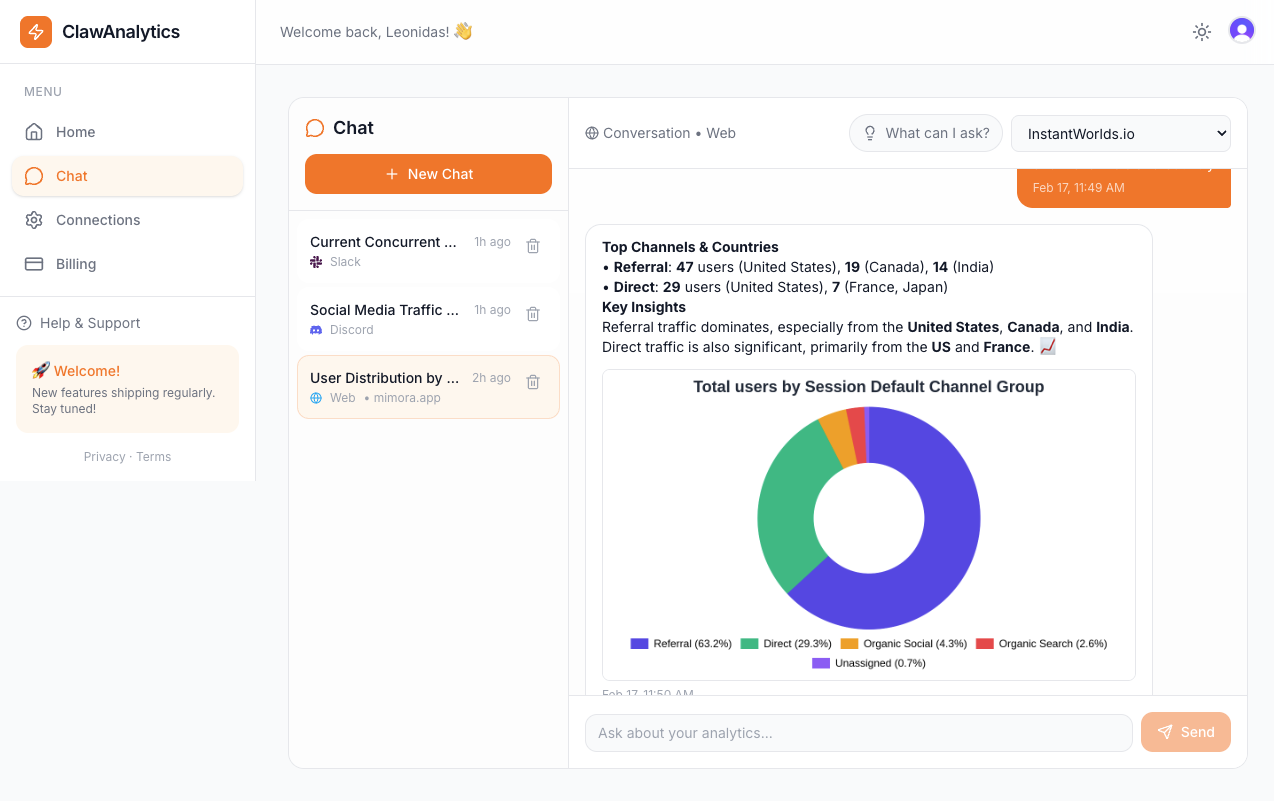
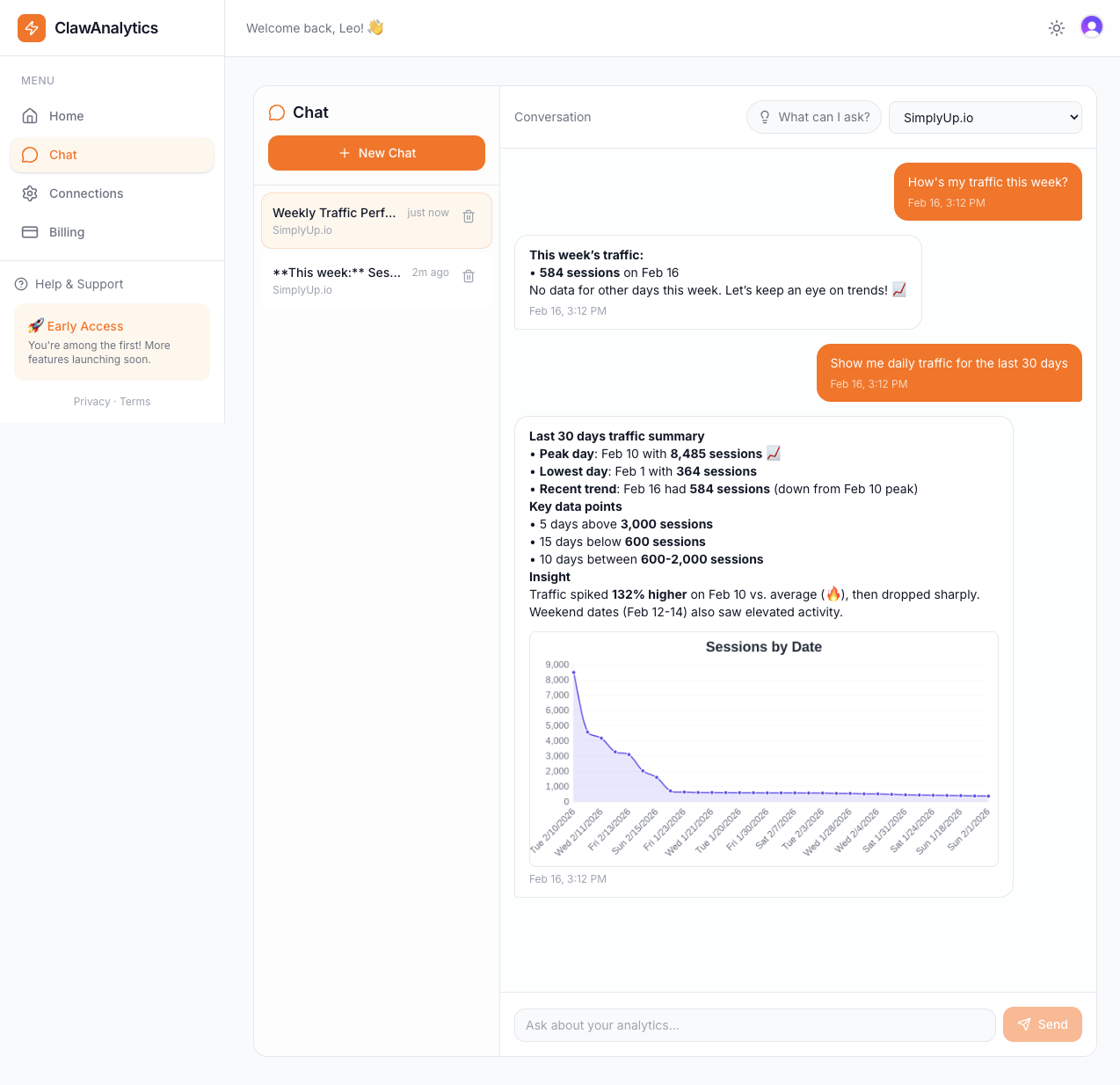
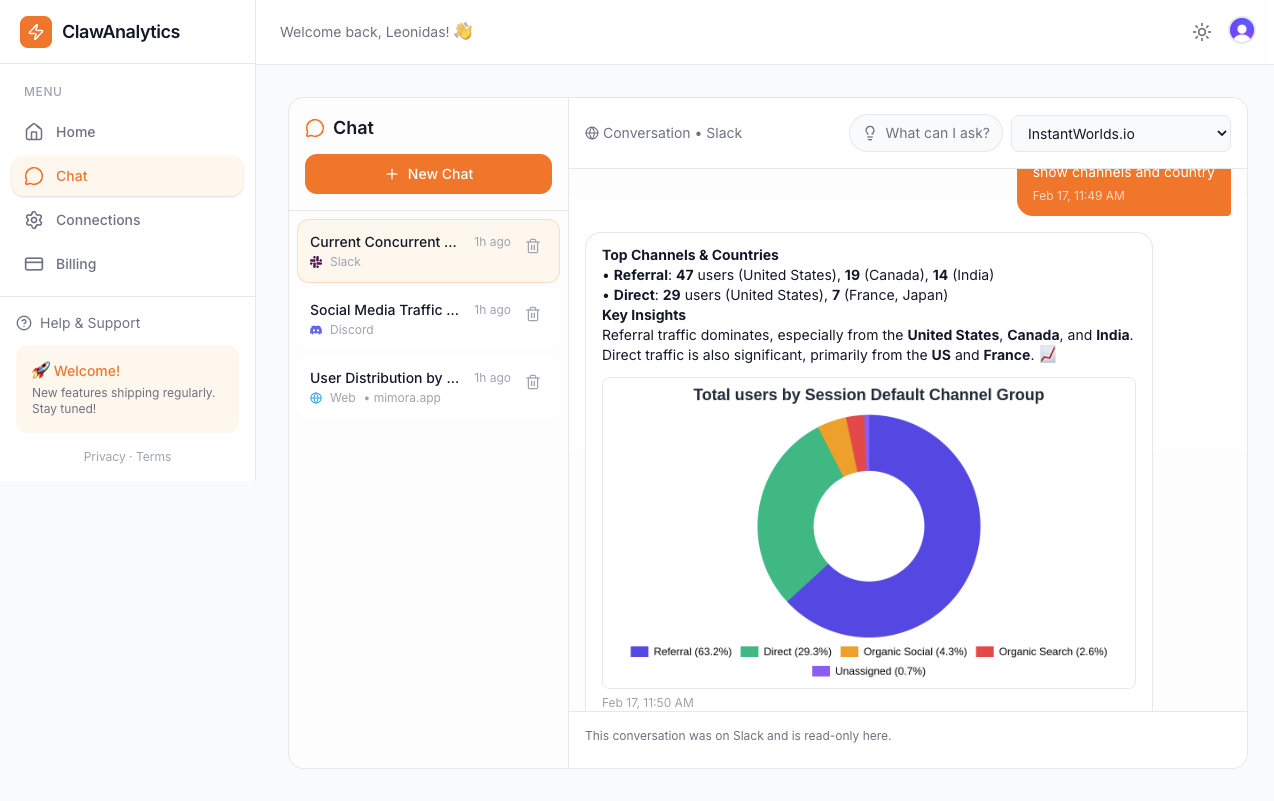
GA4 scroll data is powerful but requires setup to interpret. ClawAnalytics makes it simple for travel businesses.
Tour operators use ClawAnalytics to ask:
- Are visitors scrolling through full tour itineraries, or dropping off after day one? This reveals whether detailed行程 matter.
- Do travelers see our exclusive package inclusions at the bottom of pages, or bounce earlier? High-value features need visibility.
- Which destination pages keep readers engaged longest? Top content shows what inspires bookings.
You receive alerts when scroll engagement changes, so you can quickly test new layouts or content approaches.
Quick Wins
Optimize your travel website with these scroll depth strategies:
- Show pricing early for budget-sensitive travelers. Not everyone scrolls to find costs. Consider a “from $X” near the top.
- Use vertical photo carousels. Let visitors experience multiple destination images without endless vertical scrolling.
- Place booking CTAs at multiple scroll points. Don’t force travelers to reach the bottom to convert.
- Add “scroll to see more” indicators. Subtle animations encourage visitors to continue down immersive destination pages.
- Test page length by destination. Some trips need detailed 7-day itineraries; others convert better with shorter overviews.
Scroll depth tracking transforms travel content optimization from guesswork into data-driven decisions. Every visitor who scrolls to booking is a potential confirmed reservation.