You just published your best blog post yet. It took 8 hours to write. Someone landed on it, scrolled for 10 seconds, and left. Ouch.
Why Session Duration Matters for Bloggers
Session duration directly impacts your revenue and reach:
- Ad earnings scale with time on site. Each additional minute = roughly 1-3 more ad impressions
- Email list growth correlates with session time. Readers who spend 3+ minutes are 4x more likely to subscribe
- SEO rankings factor in engagement. Google notices when users bounce instantly
- Sponsored post rates increase when you can show advertisers engaged readers, not just traffic numbers
A reader who spends 5 minutes on your “complete guide” article is worth significantly more than 5 different readers who each spend 30 seconds.
What Causes Blogger Issues with Session Duration
1. Slow-loading images Blog posts are visual. If your hero images take 4+ seconds to load, readers leave before seeing your content.
2. intrusive ads above the fold Nothing kills session duration faster than blocking content with pop-ups or interstitials.
3. Content doesn’t match the headline Clickbait titles get clicks but create instant bounces. The 10-second exit is your penalty.
4. No internal linking If readers finish one post and have nowhere to go, they leave. Every post should link to 2-3 related articles.
5. Walls and gates everywhere Every opt-in form is friction. Too many gates convert sessions into email signups instead of pageviews.
How to Track It
In Google Analytics 4:
- Reports > Engagement > Pages and screens
- Sort by “Average session duration”
- Compare mobile vs desktop performance
- Look at session duration by traffic source
Better: Use ClawAnalytics for Bloggers
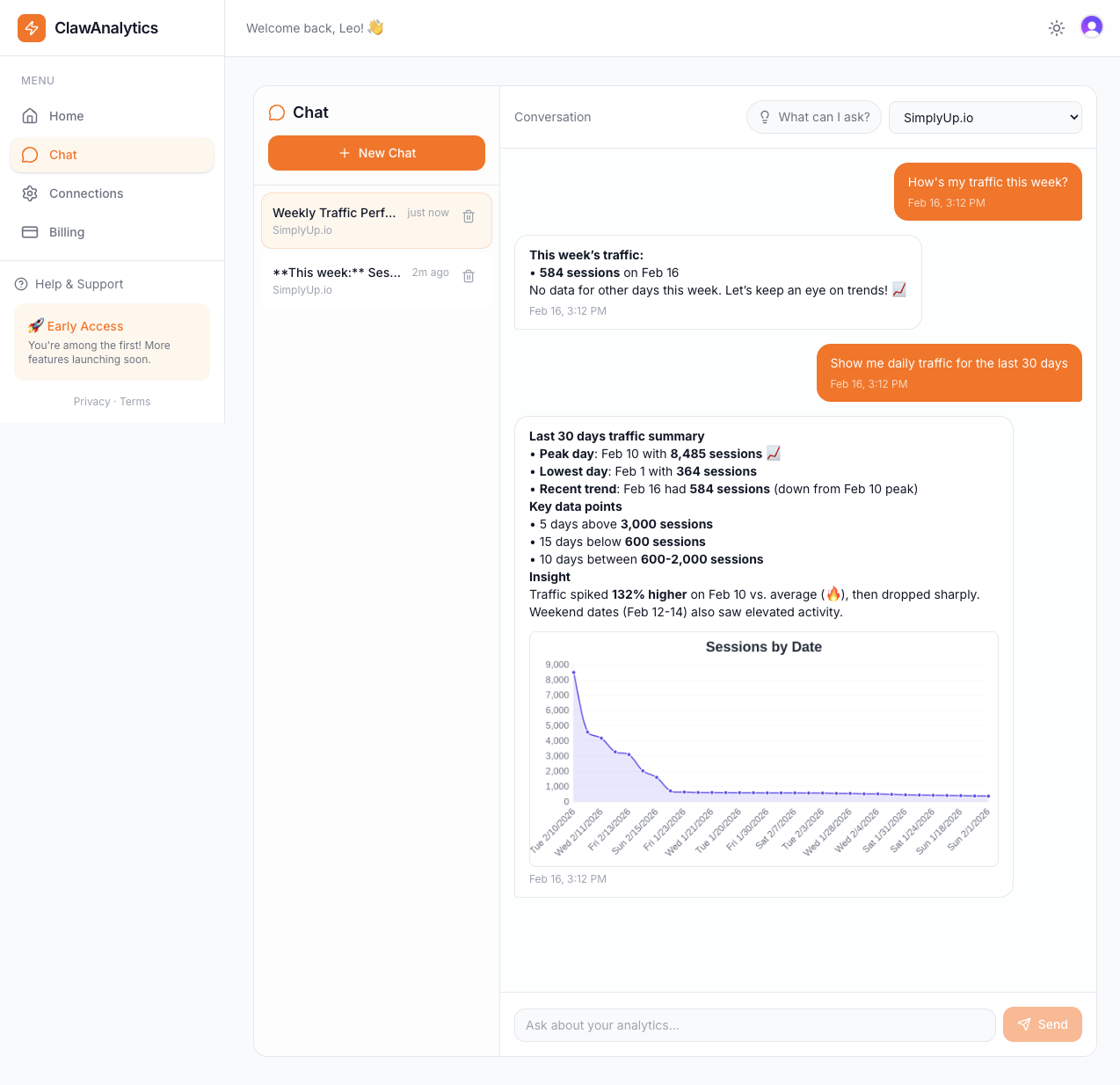
ClawAnalytics shows you:
- Which post formats keep readers longest (lists vs guides vs reviews)
- Where readers drop off within long-form content
- How internal links affect session continuation
Example questions:
- “Do my list posts or how-to guides keep readers longer?”
- “What’s the average session duration for readers who subscribe vs those who don’t?”
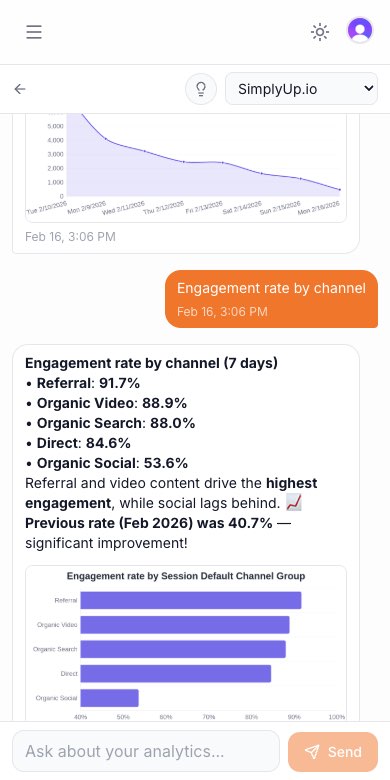
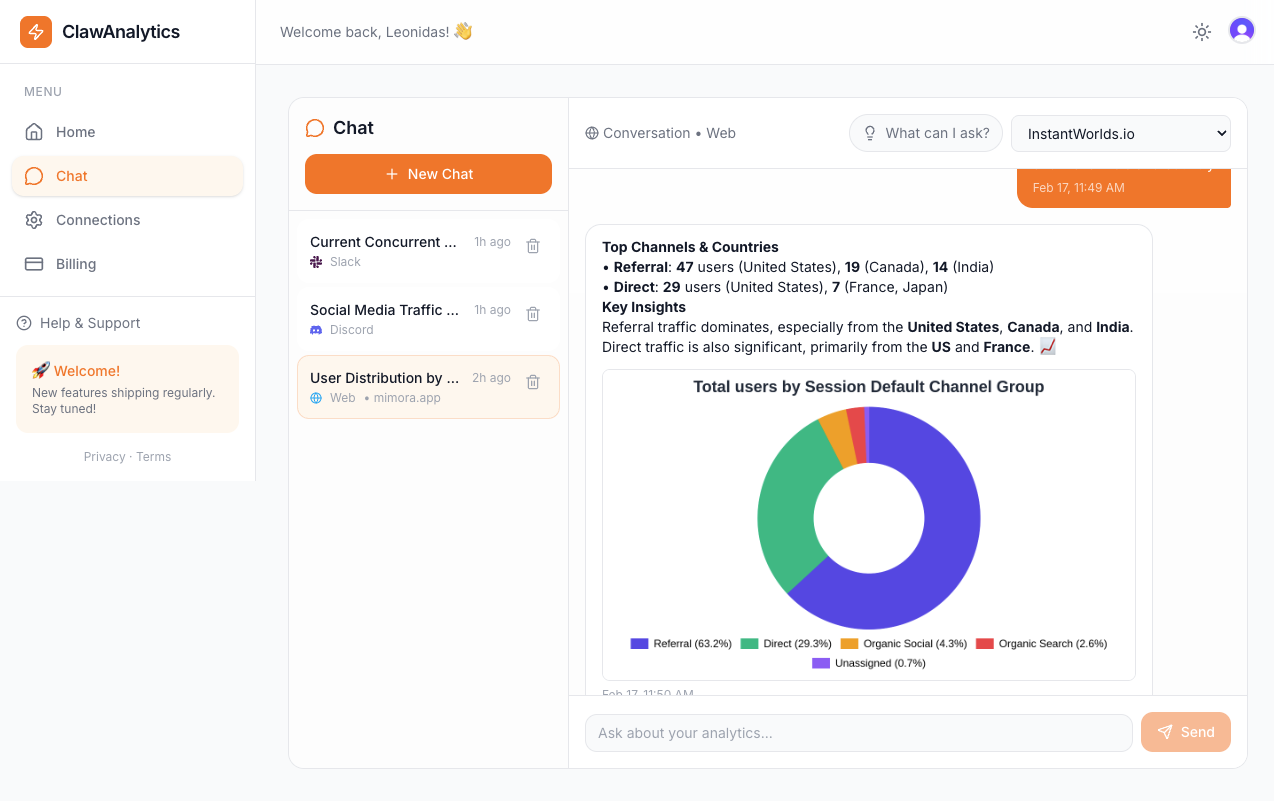
- “Which traffic source brings the most engaged readers?”
Quick Wins
-
Add a “read time” indicator at the top. Readers who know what to expect stay longer.
-
Break up long content with subheadings and images every 300-400 words. This reduces visual fatigue.
-
Create internal link clusters. When you publish a new post, update 3-4 older posts to link to it.
-
Optimize for mobile first. Over 60% of blog traffic is mobile. If your site is slow or broken on phones, your session duration will tank.