Your medical practice has excellent patient reviews but struggles to fill appointment slots. Meanwhile, a practice across town with younger doctors and similar credentials books out 3 weeks in advance. Their website keeps patients engaged for over 2 minutes. Yours loses them at 30 seconds. The clinical quality is the same. The digital experience is not. Session duration exposed the gap.
Why Session Duration Matters for Healthcare
Session duration measures whether patients find the information they need to make decisions. For healthcare, this impacts:
- Appointment request conversions
- Patient portal registration
- Service line awareness
- Patient trust and credibility
A practice that increases average session duration from 45 seconds to 2 minutes typically sees a 60% increase in appointment requests. That could mean 20 extra appointments per week.
What Causes Healthcare Issues with Session Duration
1. Confusing provider directories. Patients cannot find the right doctor. They call instead of booking online.
2. Missing insurance accepted information. Patients need to know coverage before committing. Missing this causes immediate bounce.
3. Outdated or missing service descriptions. Patients researching procedures cannot find basic information.
4. Complicated appointment request forms. Multi-step processes with unclear steps cause abandonment.
5. No mobile-friendly experience. Over 60% of patients research providers on phones. Broken mobile drives them elsewhere.
How to Track It
In Google Analytics 4, navigate to Reports > Engagement > Sessions. Compare session duration across service pages, provider profiles, and appointment booking flows. Create a segment for users who completed an appointment request to benchmark high-intent patients.
For deeper insights:
- Set up custom dimensions for Service Line and Insurance Type
- Build an exploration comparing duration by referral source
- Filter for users who downloaded patient forms (pre-visit preparation)
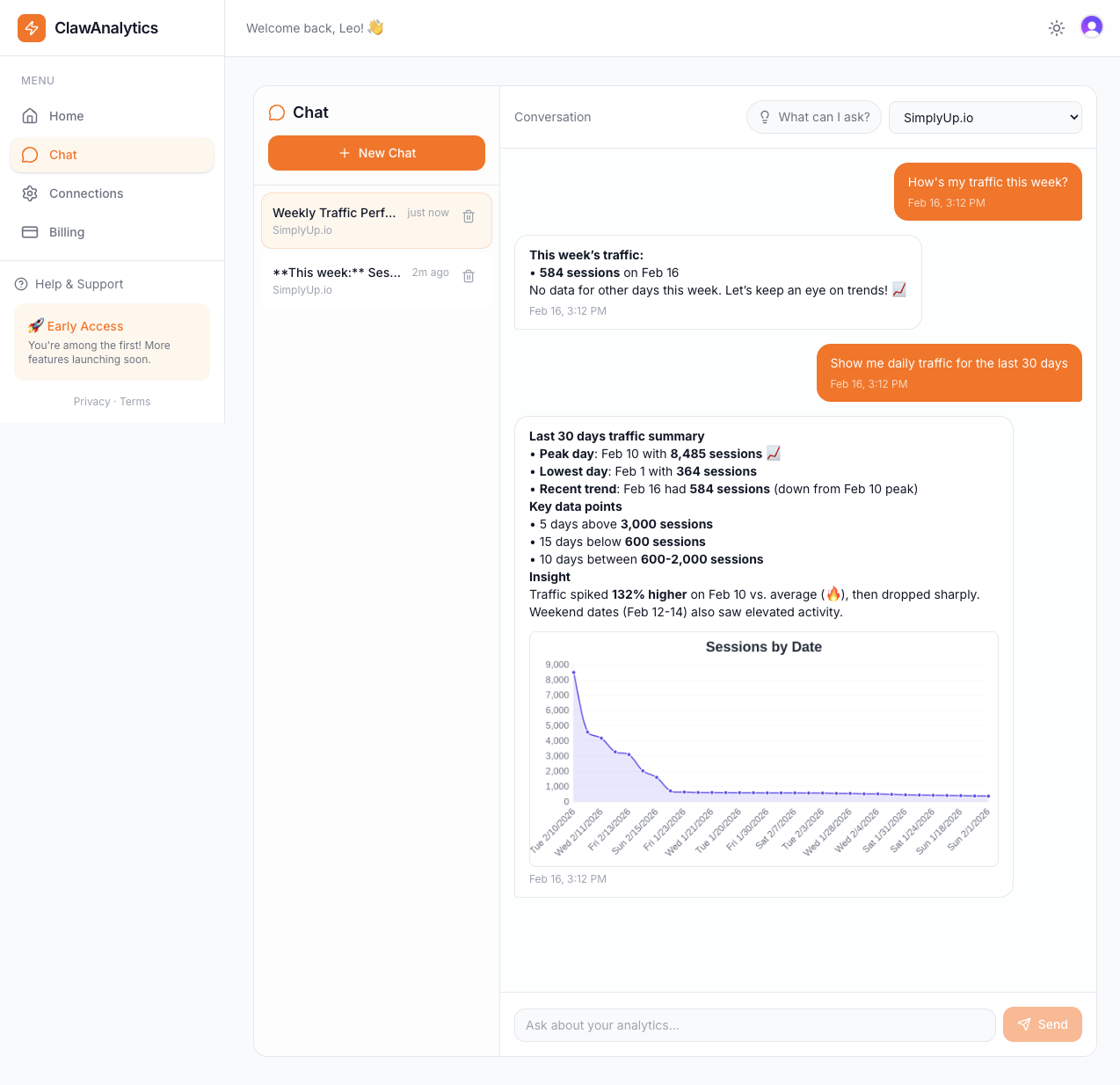
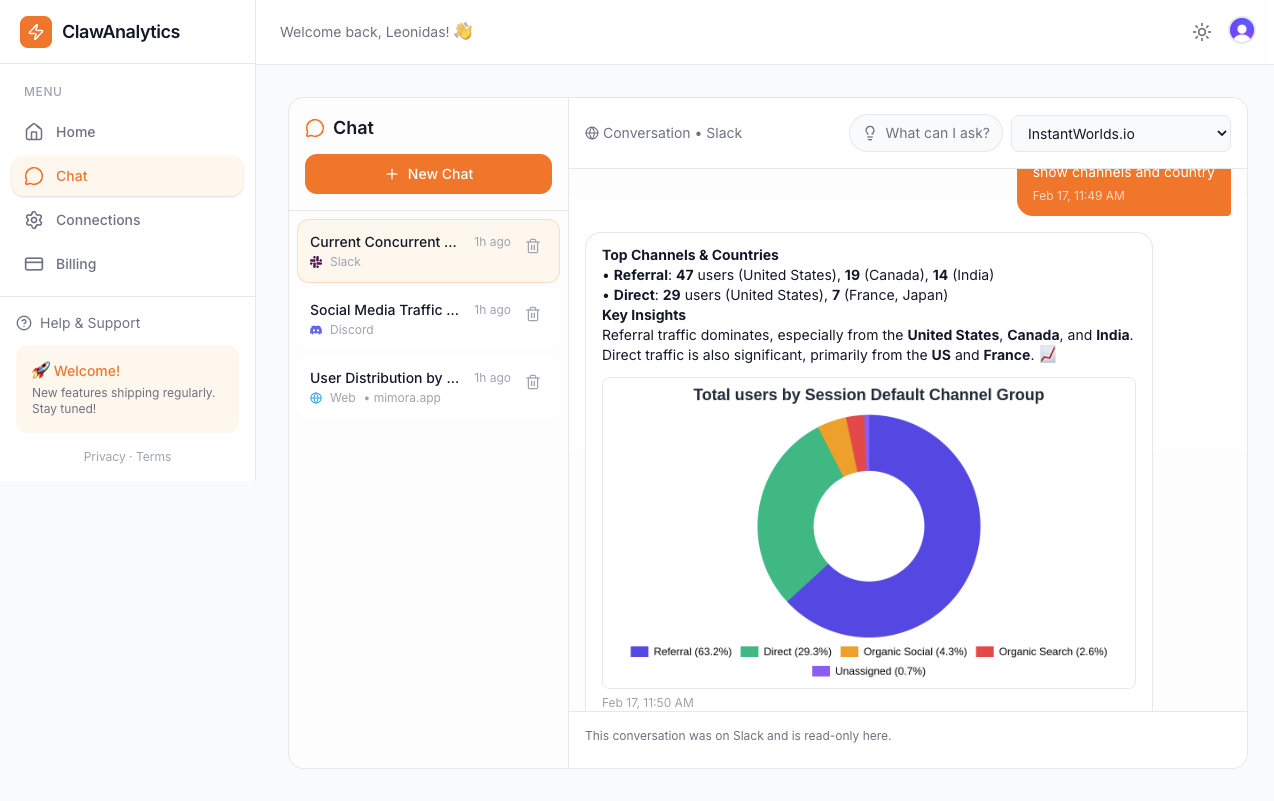
ClawAnalytics answers questions like “Which service pages keep patients the longest?” or “Do patients who read provider bios book more appointments?” This reveals what drives actual scheduling, not just curiosity.
Quick Wins
-
Create detailed provider profiles. Include bio, specialties, education, and patient reviews. Patients who read bios book 40% more appointments.
-
Add insurance accepted prominently. Put this information above the fold on service pages. Do not hide it in footer links.
-
Include common condition landing pages. Patients searching “back pain treatment” should find your relevant service page directly.
-
Add patient testimonials by procedure. Real stories from real patients increase trust and keep visitors engaged longer.