How to Track Site Search Usage for Accountants
Imagine a client logs into your accounting portal at tax season, searches for “1099 forms,” and cannot find them. They call your office, taking up valuable time. If you tracked site search usage, you would know this problem exists and fix it before it frustrates your clients.
Tracking site search usage tells you exactly what information clients need but cannot locate. For accountants, this means fewer support calls and happier clients.
Why Site Search Usage Matters for Accountants
-
Client Portal Efficiency. Most accounting firms have client portals with documents, invoices, and tax forms. When clients search for specific items and come up empty, they disengage. Tracking searches reveals which documents are most wanted but hard to find.
-
Service Gaps Become Visible. If multiple clients search for “estimated tax payments” and find nothing, you know to add a dedicated page. Site search usage exposes exactly what content you are missing.
-
Tax Season Preparation. During peak season, clients need quick answers. Tracking searches before April shows you which topics cause the most friction, letting you prioritize content updates.
-
Measuring Website ROI. Every search is a signal. High search volume with low results means your website is not serving its purpose. Site search data proves the value of your digital presence.
How to Check Site Search Usage in GA4
First, ensure site search tracking is enabled. In GA4, go to Admin > Data Streams > your website > Tagging Settings > Configure your URL. Add parameters you use in your search function, such as “q” or “s.”
Once enabled, find site search data in three places:
-
Engagement Reports. Open Reports > Engagement and look for events named “search” or “view_search_results.”
-
Explore Reports. Build a custom report with dimensions like “Search Term” and metrics like “Views” and “Sessions.”
-
DebugView. Use this to test your implementation in real time.
Look for search terms with high volume but no results. These are your priority fixes.
The Easier Way
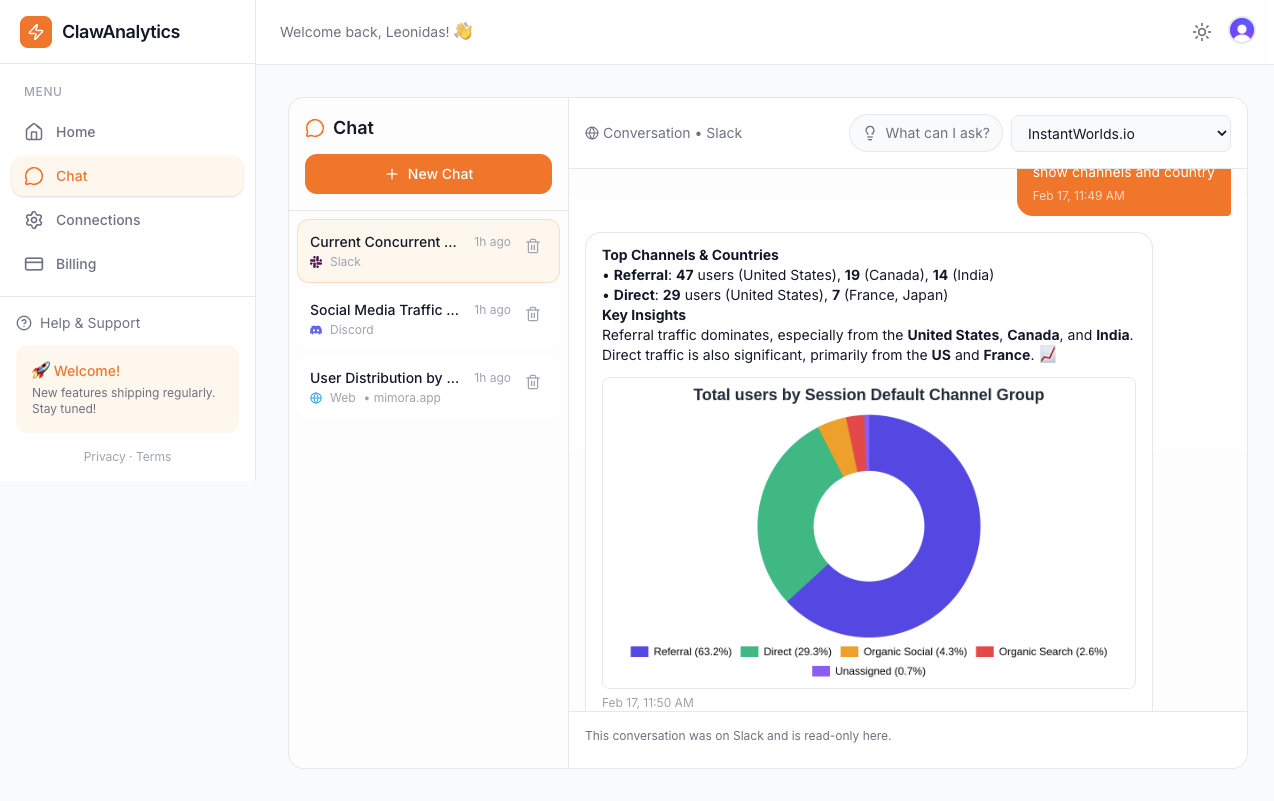
ClawAnalytics makes site search tracking simple. Instead of wrestling with GA4 configurations, you get a clean dashboard showing:
- Top searched terms on your client portal
- Searches with no results (content gaps)
- Trends over time (tax season vs. off-season)
For example, if clients constantly search for “invoice template,” you can add a downloadable resource page. If they search for “extension deadline,” you can build a tax calendar page. ClawAnalytics highlights these opportunities automatically.
You also see which pages have the highest search activity. This tells you which areas of your site deserve the most attention.
Quick Wins
-
Add a Search Bar to Your Portal. If you do not have one, clients will leave frustrated. Simple change, huge impact.
-
Create a FAQ Page. Many clients search for the same questions. A dedicated FAQ reduces support load.
-
Monitor Monthly. Set a calendar reminder to review search terms every month. Content decay happens fast.
-
Track Results After Fixes. After adding new content, check if search volume for that term drops. That drop proves your fix worked.
-
Compare Across Quarters. Tax season searches differ from year-end planning. Understanding these patterns helps you plan content calendars.
Start tracking site search usage today. Your clients will thank you, and your phone will ring less.