Running a coaching business means understanding what potential clients need before they even book a call. When someone lands on your website and uses the search bar, they’re telling you exactly what they’re looking for. Tracking site search usage gives you direct insight into their minds.
Why Site Search Matters for Coaches
Understanding search behavior reveals what clients value most. Here are four key reasons coaches should monitor site search:
- Content gaps become visible - If visitors search for “life coaching prices” but you never mention pricing on your site, that’s a clear signal to add a pricing page.
- Service demand becomes clear - Searches for “executive coaching” or “career change” show which coaching niches interest your audience.
- Conversion barriers disappear - Users who search repeatedly without finding what they need typically leave. Identifying these friction points keeps visitors engaged.
- Client questions get answered - Search queries often reflect real questions. Creating content around these queries builds trust and establishes expertise.
How to Check Site Search in GA4
Google Analytics 4 tracks site search, but the setup requires a few steps:
- Sign in to GA4 and navigate to your property
- Go to Admin > Data Display > Search Console
- Enable Site Search in the property settings
- In Reports, select Engagement > Site Search
- Review the search terms, exit rate, and time on page
The data shows which terms people search for, how many results they click, and whether they continue browsing or leave.
The Easier Way with ClawAnalytics
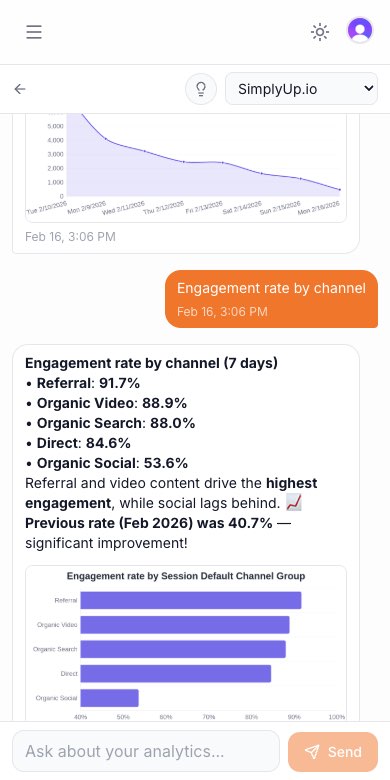
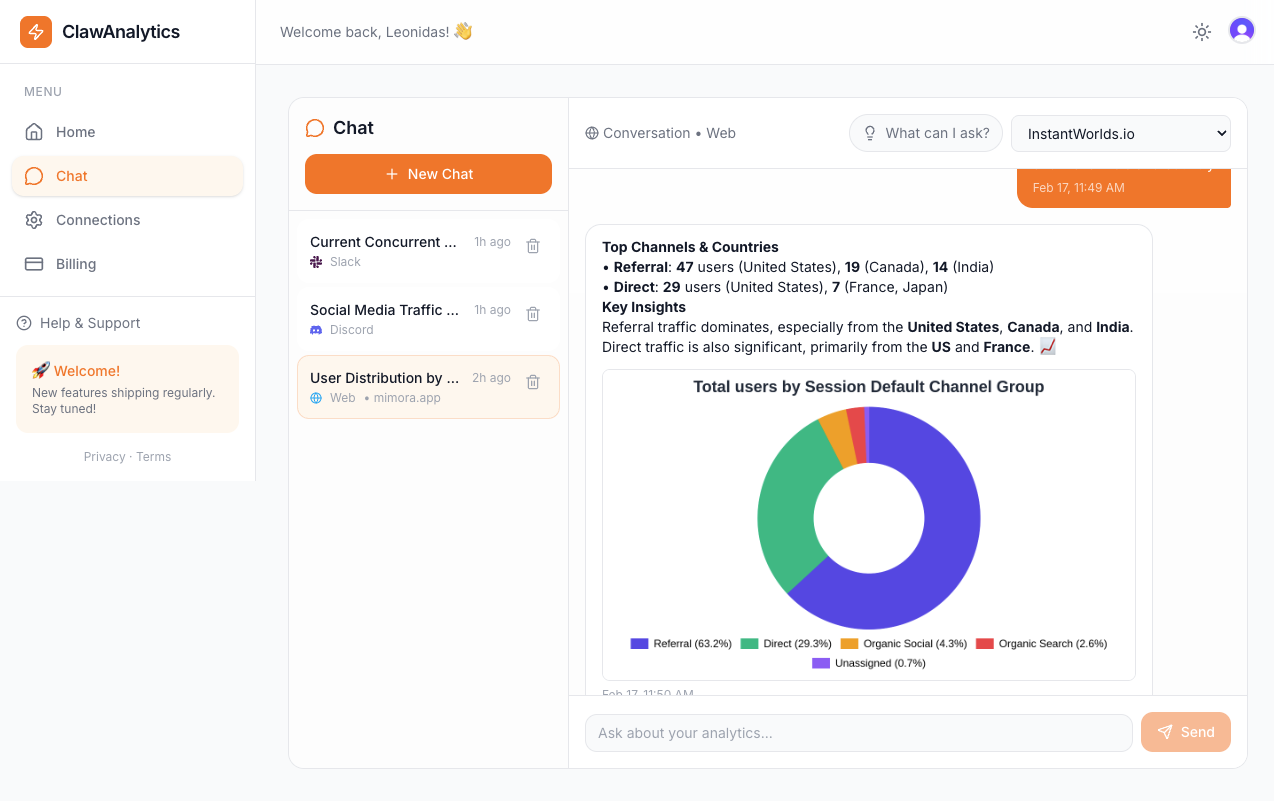
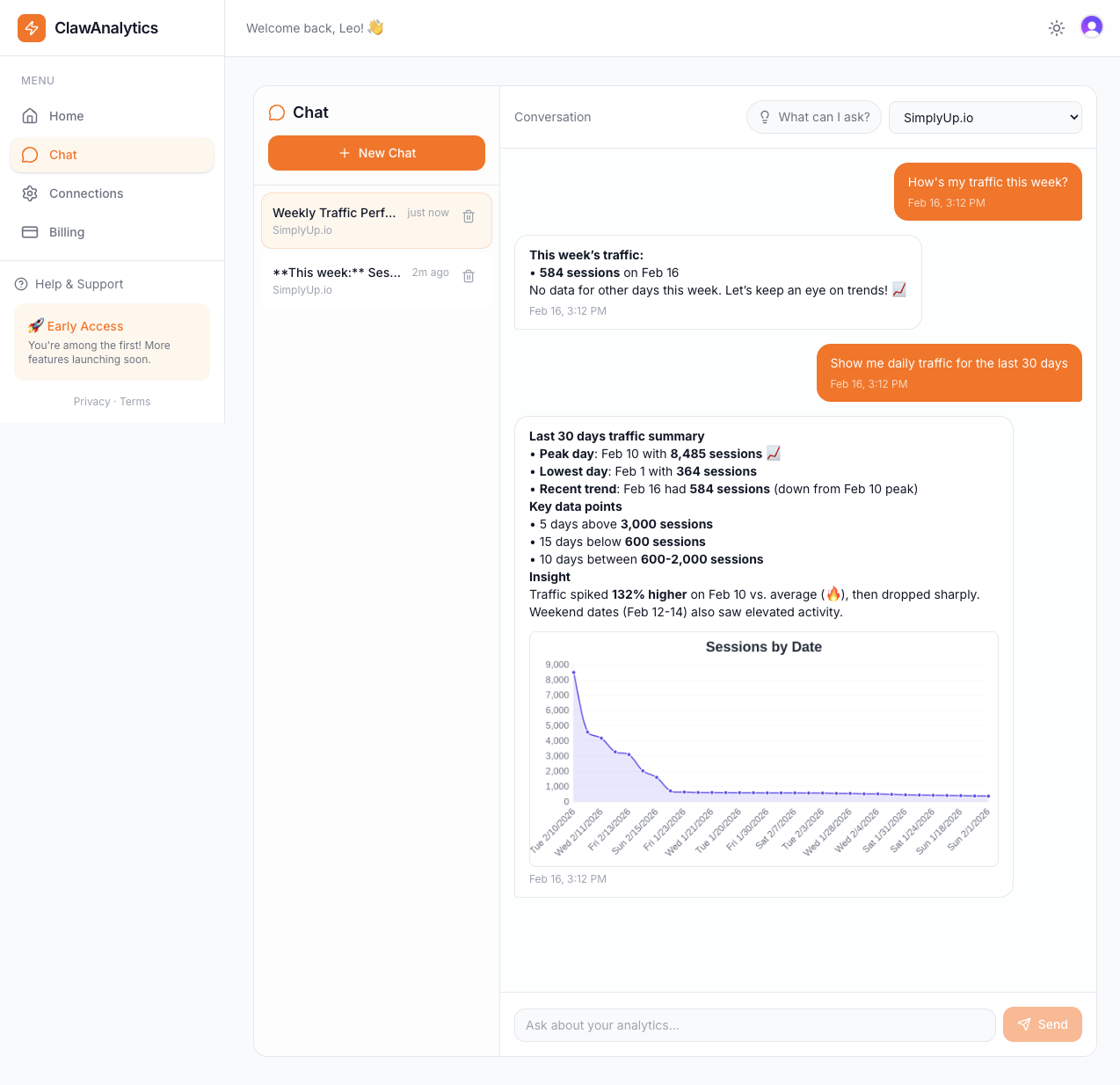
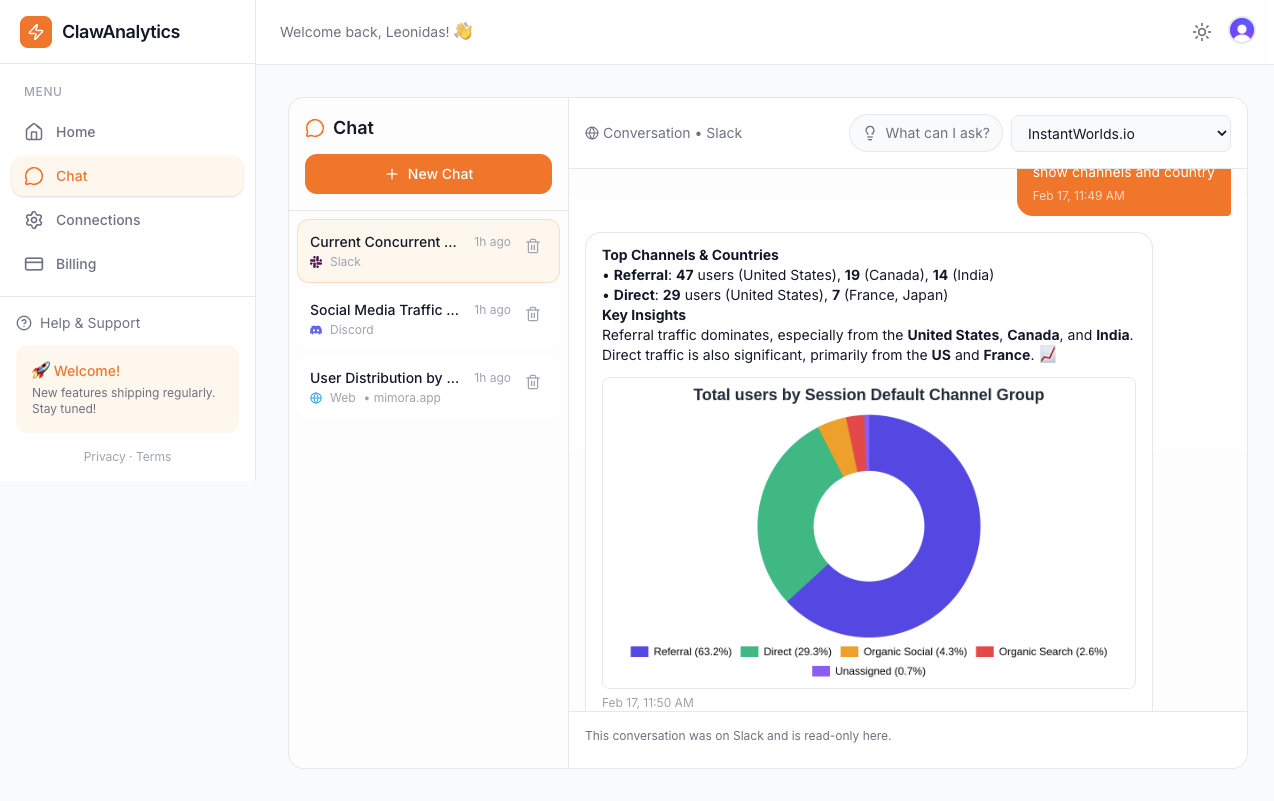
Setting up GA4 site search tracking takes time and technical knowledge. ClawAnalytics makes this effortless for coaches who want results without the complexity.
For example, a career coach might discover that visitors frequently search for “resume review” or “interview prep” - services they hadn’t considered offering. With this insight, they can create a new service package or blog content addressing these needs.
Another coach might notice searches for “free consultation” or “initial call” appearing often. This signals that visitors want low-commitment ways to connect, prompting the addition of a booking link or contact form.
ClawAnalytics shows failed searches too - queries that return no results. These represent missed opportunities. A health coach seeing searches for “nutrition plan” without results can quickly add that content.
Quick Wins for Coaches
Start using site search data today with these actionable tips:
- Add a search bar if you don’t have one - Even simple websites benefit from search functionality
- Review search queries weekly - Set a 15-minute calendar block to check what visitors are looking for
- Create content around top searches - Blog posts or FAQ sections addressing common queries
- Monitor failed searches - Every failed search is an opportunity to add value
- Test and iterate - Use search insights to refine your site navigation and content strategy
When you understand what your potential clients search for, you meet them exactly where they are. Site search analytics transforms guesswork into data-driven decisions that grow your coaching practice.