How to Track Site Search Usage for Ecommerce
A shopper lands on your store looking for something specific. They don’t browse through categories. They type “blue running shoes size 10” into your search bar. If they find what they want, they buy. If not, they leave.
Site search is your direct line to understanding what customers want. Track it properly and you unlock huge revenue potential.
Why Site Search Usage Matters for Ecommerce
High intent drives conversions. Users who search are 2-3 times more likely to convert than browsing users. They’re telling you exactly what they want.
Zero-result searches reveal gaps. When users search and find nothing, they’re telling you what you’re missing. This is the most valuable data for inventory decisions.
Popular searches guide merchandising. Understanding what people search for helps you prioritize product placement, homepage features, and marketing campaigns.
Search behavior changes with seasons. Tracking search trends over time reveals seasonal demand patterns you can prepare for.
How to Check in GA4
Google Analytics 4 tracks site search if you configure it:
- First, enable site search tracking in your GA4 property settings
- Add a query parameter (typically “q”, “s”, or “search”)
- Go to Reports > Engagement > Events
- Filter for “view_search_results” event
- Click on the event to see search term data
Look for:
- Most popular search terms - what are people looking for?
- Searches with zero results - what are you missing?
- Conversion rate from search - are search users buying?
Pay attention to searches that return no results. These are opportunities.
The Easier Way
Configuring GA4 site search tracking takes technical setup. Most ecommerce owners don’t have time for that.
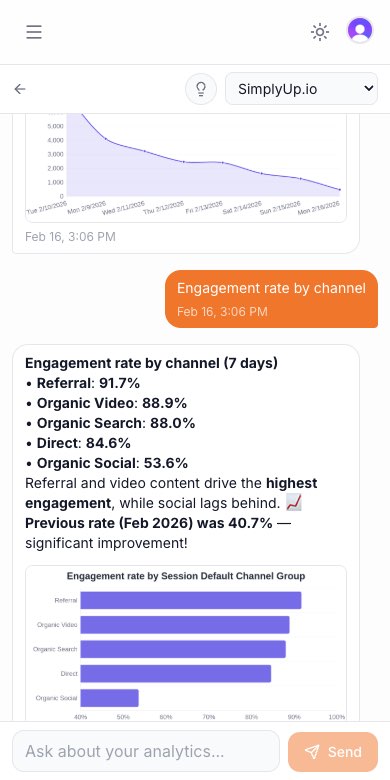
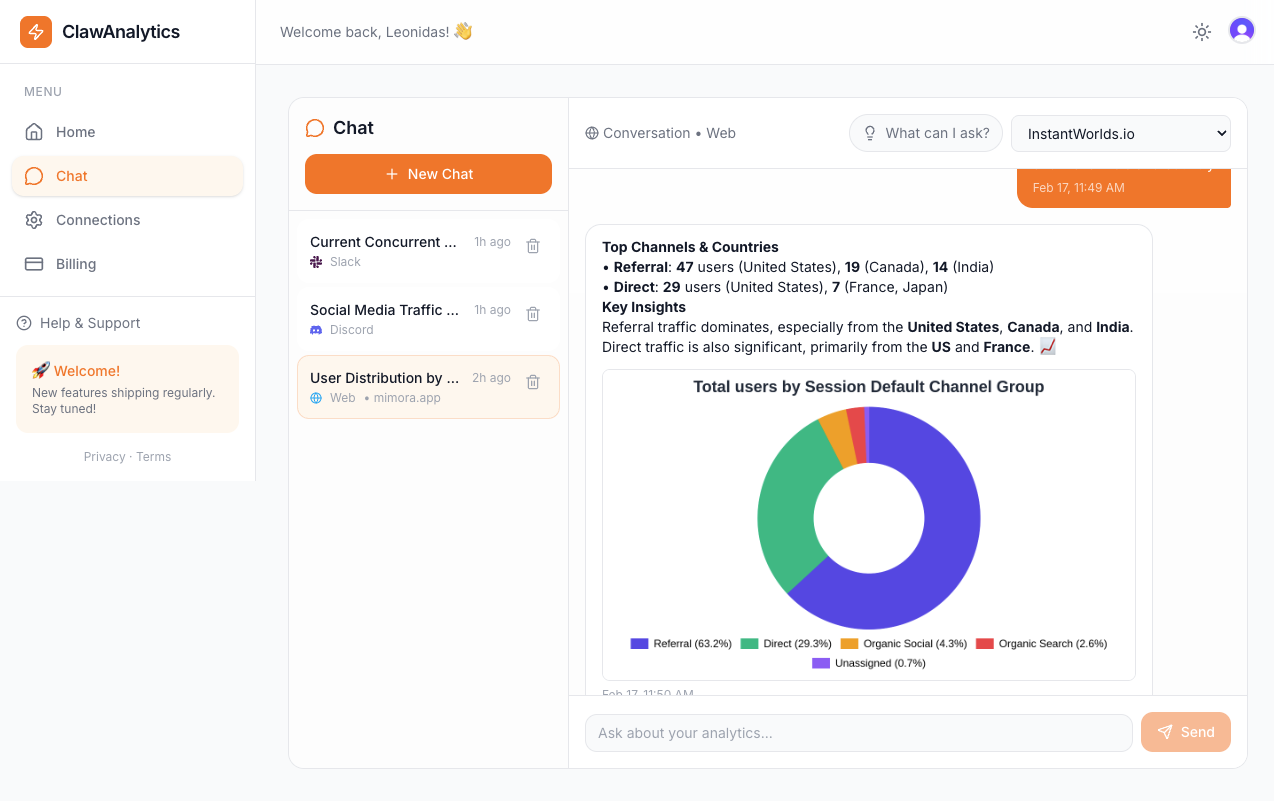
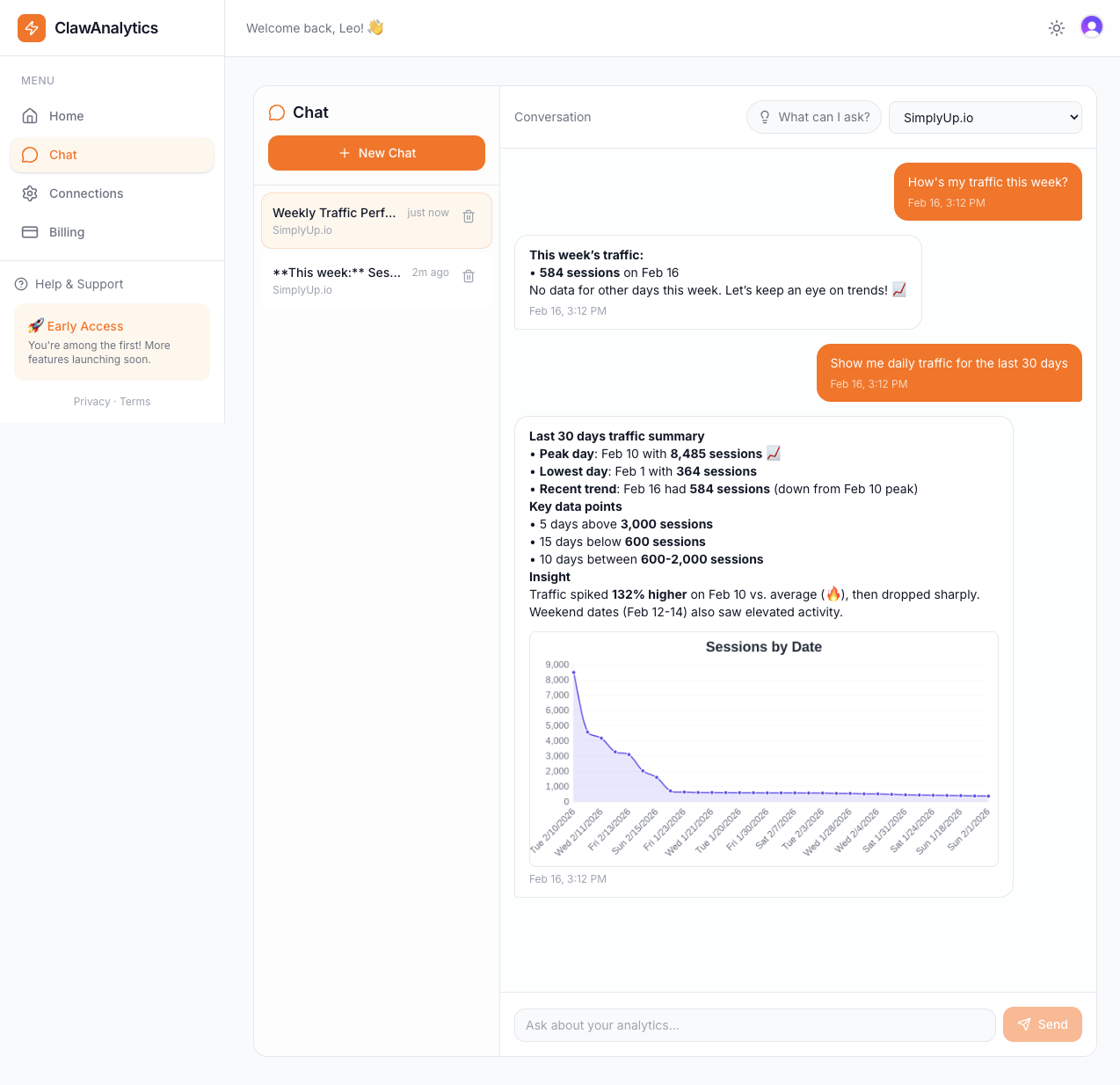
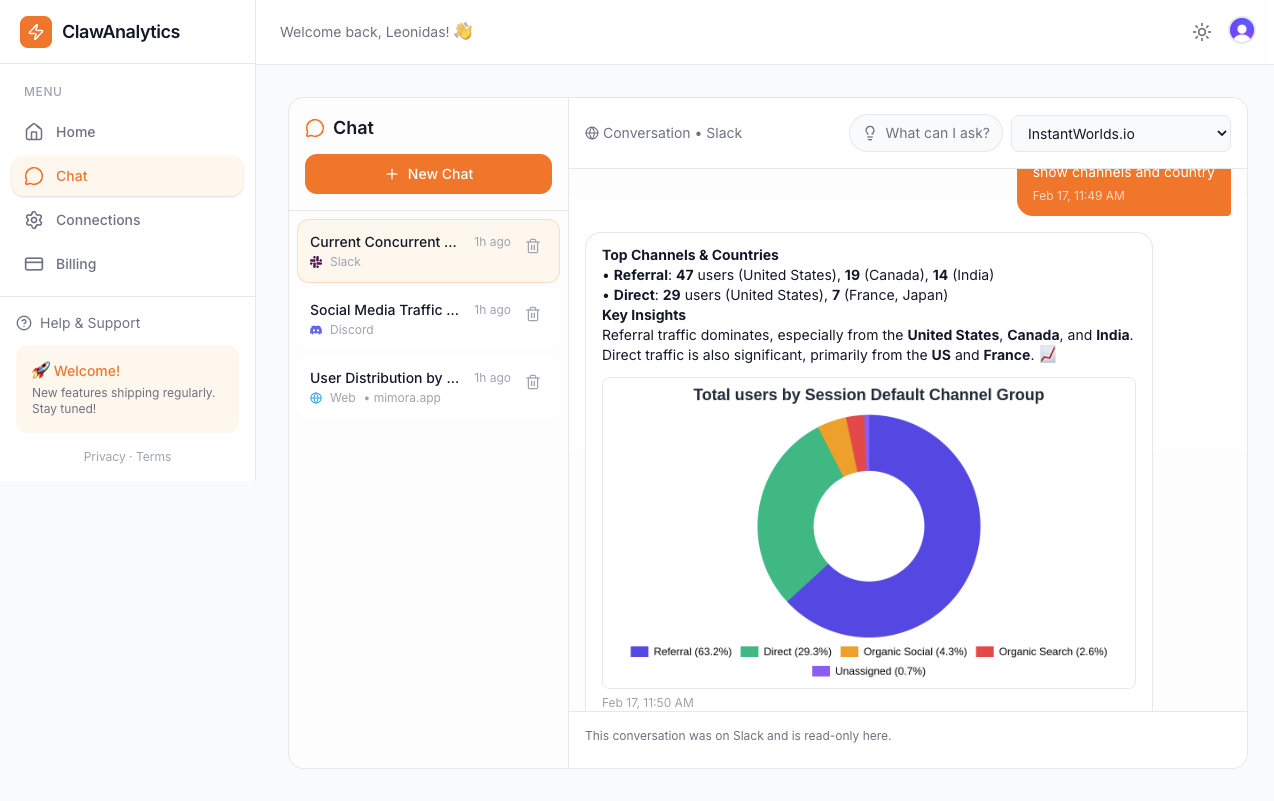
ClawAnalytics provides ready-made dashboards for site search insights. You could simply ask:
- “What are customers searching for most on my store?”
- “Which search terms have the highest purchase rate?”
- “Show me searches that returned no results”
This data helps you make inventory decisions, improve product descriptions, and optimize for what customers actually want.
Quick Wins
Review zero-result searches weekly. Add products that appear frequently but aren’t in your catalog. This directly increases sales.
Optimize search results page. Ensure sorting options, filters, and product images load fast. This page converts high-intent traffic.
Add search suggestions. Autocomplete helps users find products faster and reduces abandonment.
Track search-to-purchase conversion. Compare conversion rates between search users and browse users. Search users should convert higher.
Use search data for ad targeting. Keywords users search for become valuable data for Google Ads and Facebook campaigns.
Site search is the most intent-rich data on your site. Use it to stock what customers want and remove friction from their path to purchase.