How to Track Site Search Usage for Restaurants
A customer lands on your restaurant’s website at 6 PM, hungry and ready to order. They search for “vegan options,” but your menu is buried under complex navigation. Frustrated, they leave and try the competitor down the street. This happens constantly, and site search tracking helps you prevent it.
Why Site Search Usage Matters for Restaurants
Restaurant visitors have specific needs when they arrive. They want to see your menu, check hours, make a reservation, or find out if you accommodate dietary restrictions. When they use search, they’re telling you exactly what’s important to their decision.
Menu optimization becomes data-driven with site search analytics. If dozens of customers search for “gluten-free” daily but you don’t prominently feature dietary options, you’re missing their business. Similarly, if searches for “kids menu” are high, families might be your untapped audience.
Reservations and ordering are critical revenue drivers. When customers search for “book table” or “order online,” they’re ready to convert. Making these actions easy directly impacts your revenue. Site search data shows whether your conversion paths are clear.
Understanding seasonal demand helps with inventory and staffing. If searches for “outdoor seating” spike in summer, you can prepare accordingly. Year-over-year search data reveals patterns that inform business decisions.
How to Check in GA4
Configure GA4 on your restaurant website and access the Search terms report. You’ll likely see queries like menu items, hours, location, and reservations. Categorize these to understand different customer intents.
Create segments for mobile versus desktop visitors. Mobile users might search differently, perhaps looking for quick information like “hours today” while desktop users explore more of your menu.
Track searches around peak dining times. Understanding when customers search for reservations or menus helps you optimize your website content and staffing schedules.
The Easier Way
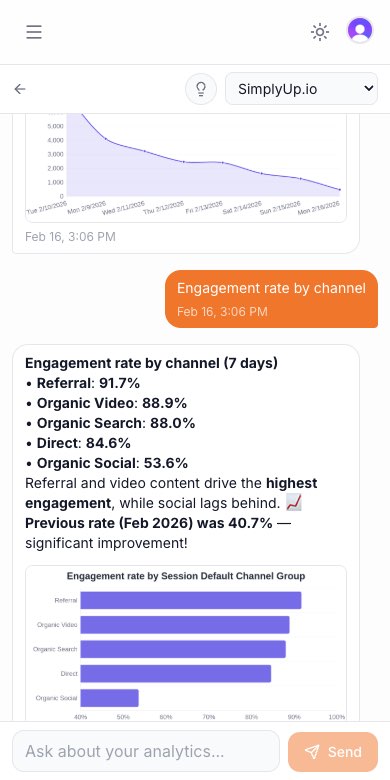
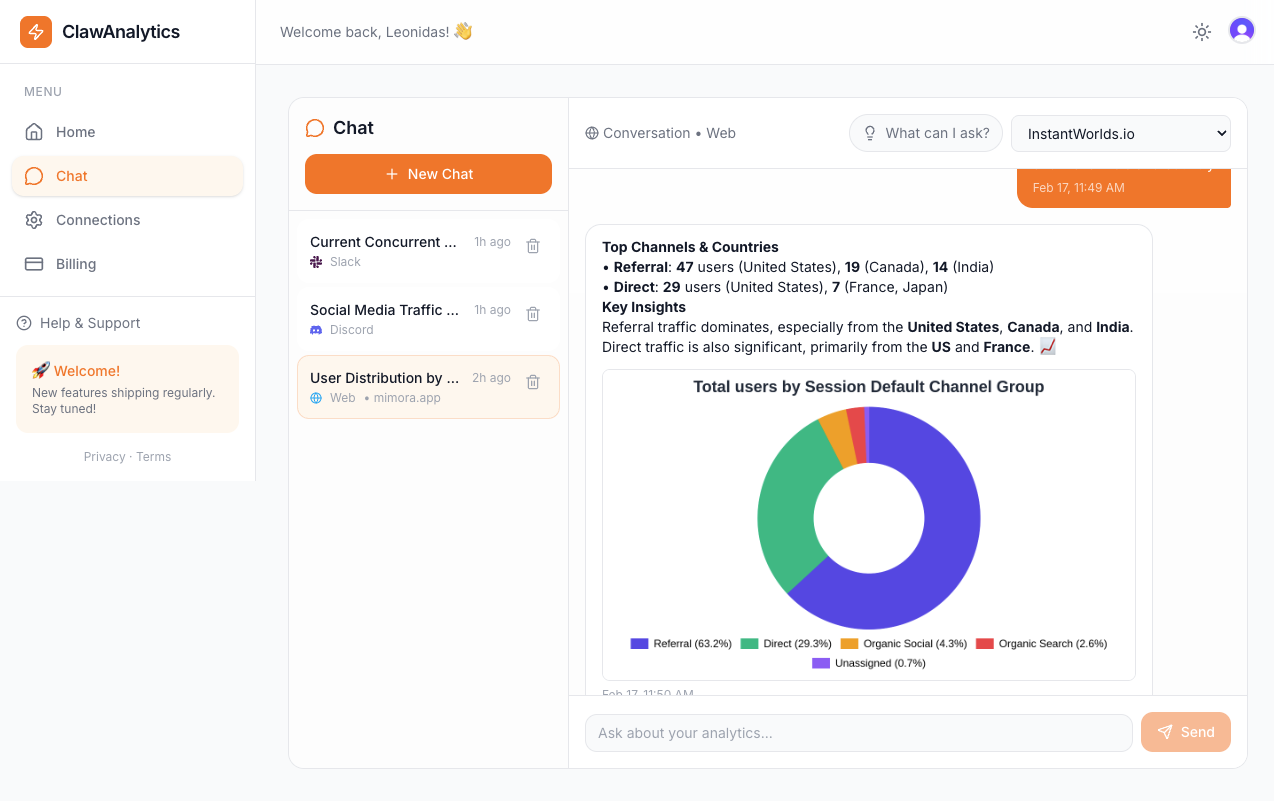
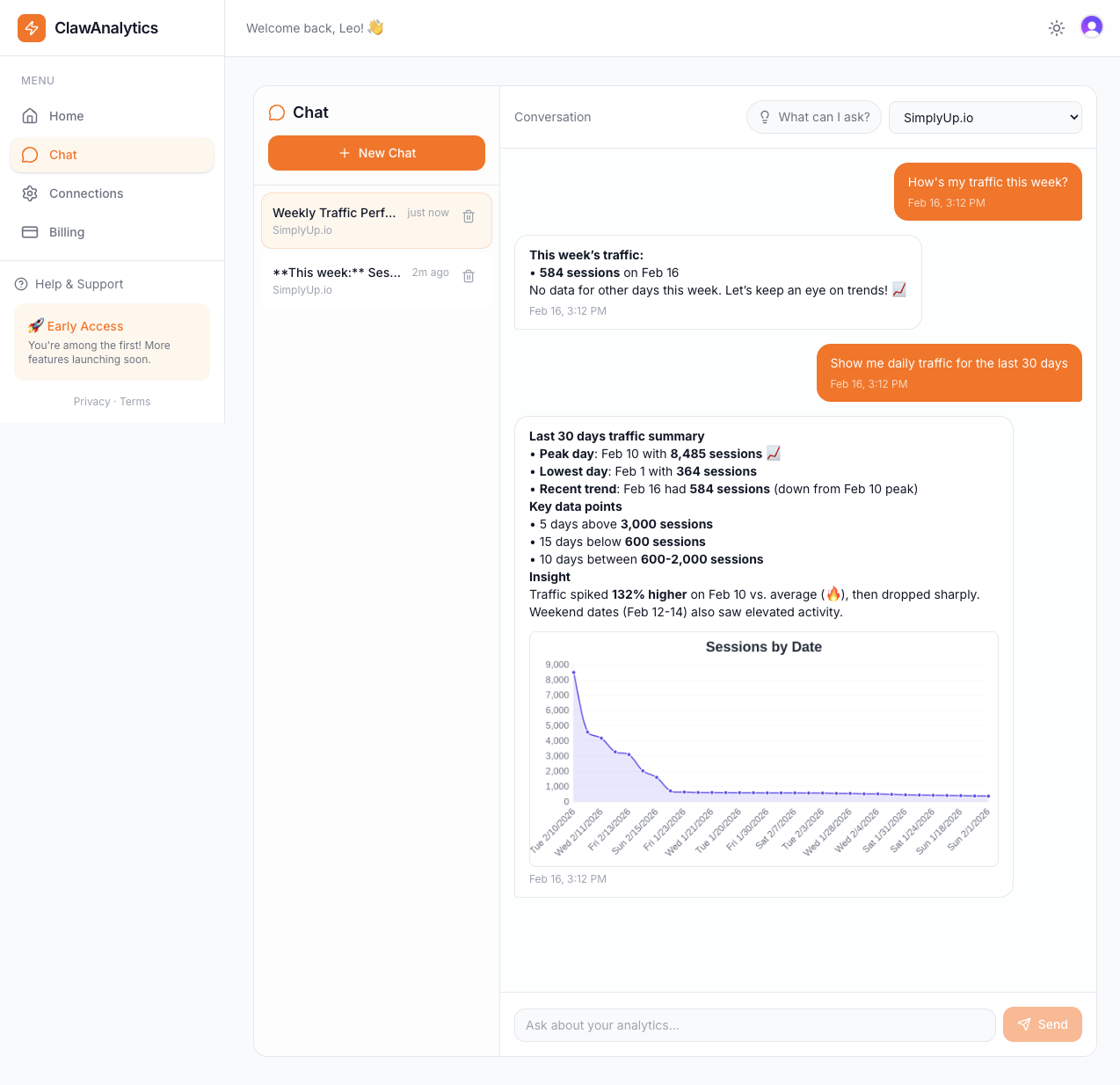
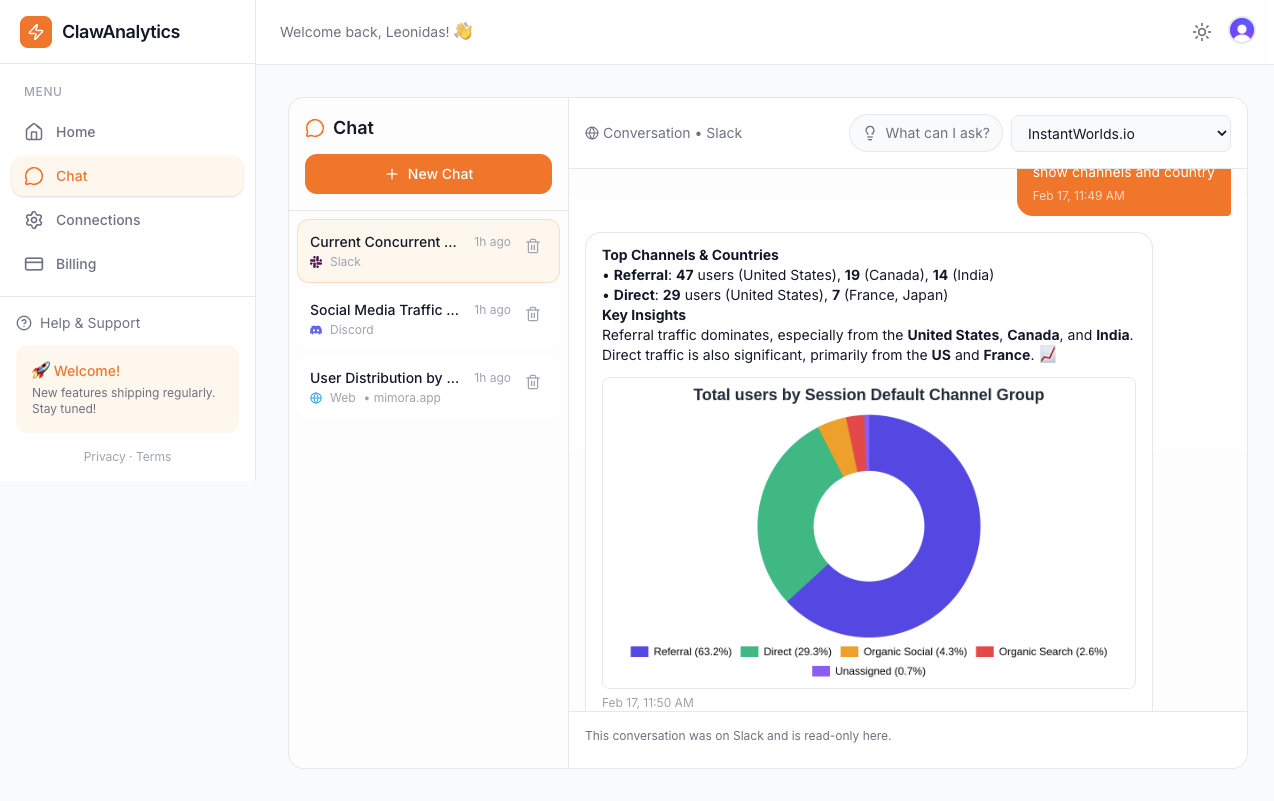
Running a restaurant is demanding. You don’t have time to become an analytics expert. ClawAnalytics gives you actionable insights without the complexity of raw GA4 data.
The dashboard highlights your most searched menu items and preparations. If customers constantly search for steak options but you feature them minimally, that’s a signal to refresh your menu layout.
ClawAnalytics tracks whether customers find what they search for. If search queries for “vegan” remain high after you add a vegan section, the placement might need adjustment.
Example questions ClawAnalytics answers instantly:
- Which menu items are customers searching for most
- Are reservation searches converting to actual bookings
- What dietary restrictions should I feature prominently
Quick Wins
Add a prominent menu search function. Customers often know what they want but need to confirm you offer it. Making menu searchable keeps them on your site.
Create clear sections for dietary accommodations. If searches for “vegan” or “gluten-free” are common, feature these options prominently on your homepage or main menu page.
Simplify your reservation process. If customers search for “book table” or “reserve,” make sure reservation options are immediately visible, not hidden in navigation.
Finally, optimize for local search intent. Many restaurant visitors search from mobile devices while nearby. Ensure your location, hours, and directions are easily searchable and mobile-friendly.