You found a product that might work. You created a TikTok, ran a small ad, and got some sales. But was it profitable? Without tracking social media traffic, you have no idea. That’s a problem when margins are thin.
Why Social Media Traffic Matters for Dropshipping
Social traffic tracking is essential for dropshipping success:
Validate products fast: Test multiple products with small social campaigns. Traffic and conversion data shows which ones have potential.
Optimize ad spend: Stop pouring money into content that doesn’t convert. Let the data guide your budget.
Understand your audience: See which social platforms your buyers use. Double down there.
Scale with confidence: When you know what works, you can scale systematically rather than guessing.
How to Check in GA4
In GA4, go to Acquisition > Traffic acquisition. The Social row shows total traffic from all social platforms.
To analyze specific products, set up conversion events for purchases. Then look at Social traffic and compare conversion rates across platforms.
Create explorations that break down by session source and campaign. This shows which specific ads and posts drive both traffic and conversions.
Track cost-per-acquisition by combining ad spend data with GA4 conversion data. This reveals true profitability.
The Easier Way
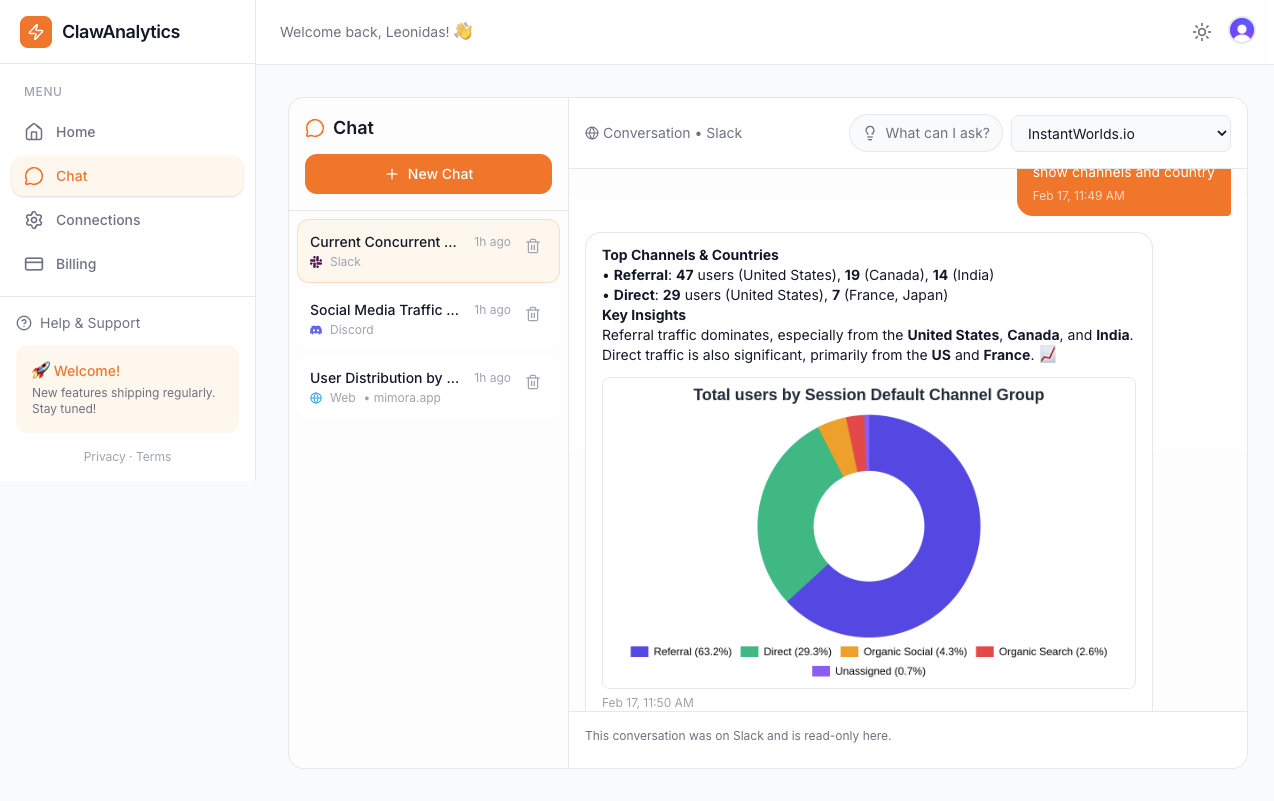
ClawAnalytics helps dropshippers move fast by automating social traffic insights.
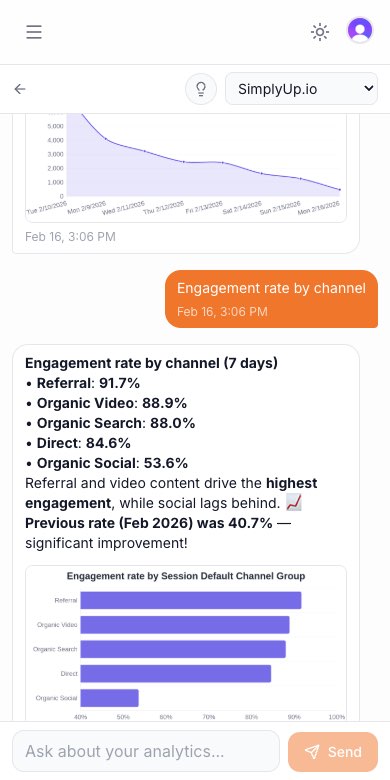
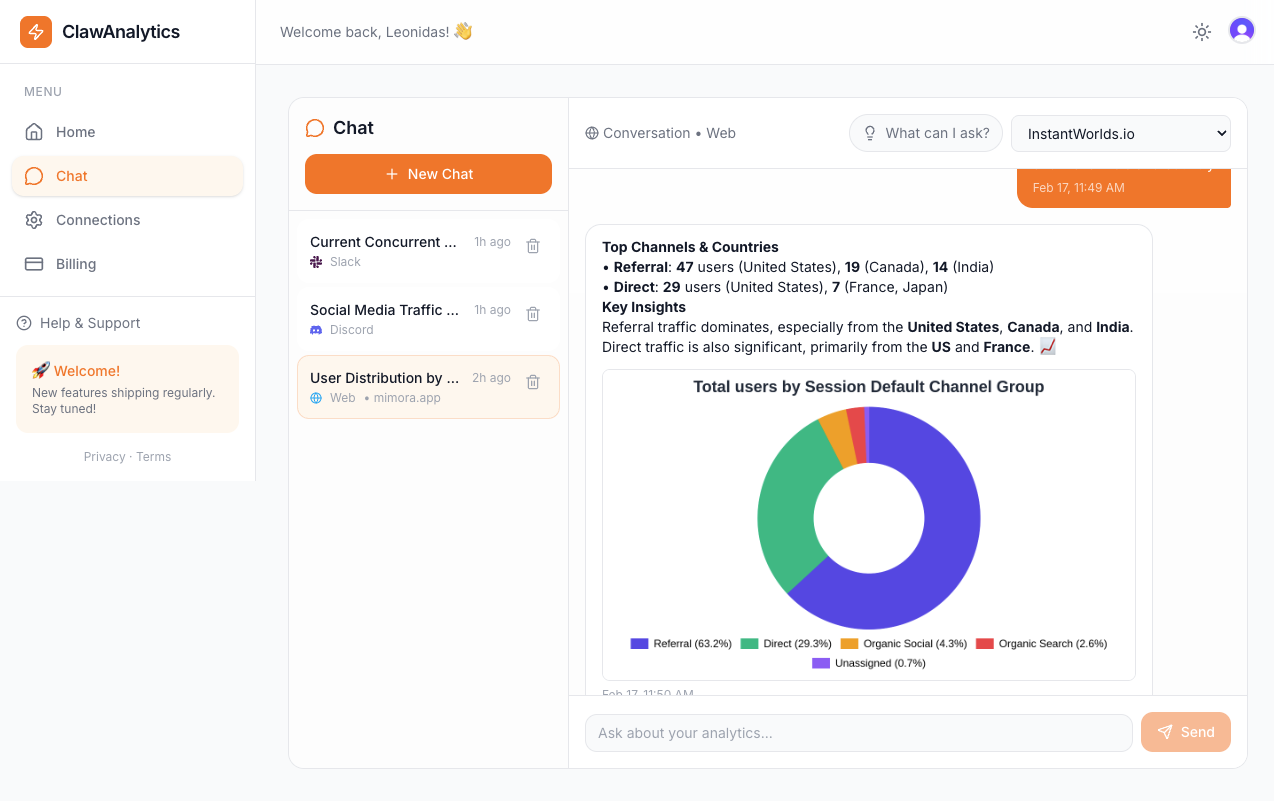
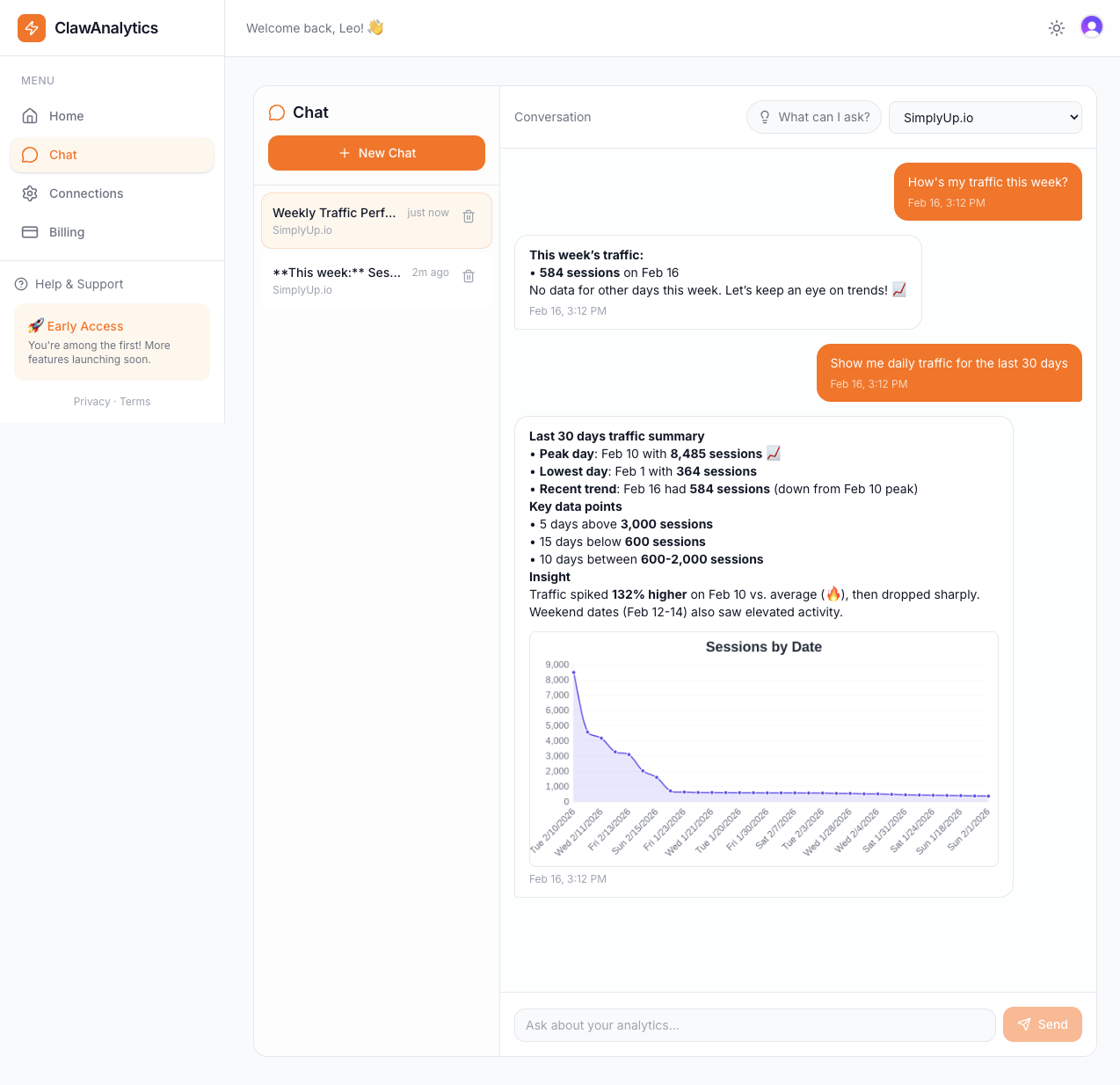
Ask questions like: “Which TikTok video drove the most purchases?” or “Show me the conversion rate by social platform.” Get answers in seconds instead of building complex reports.
ClawAnalytics highlights which products and content types generate the best return. This accelerates the test-and-scale cycle that dropshippers depend on.
Quick Wins
Improve your dropshipping social media tracking:
- Tag every ad: Use unique UTM parameters for each product, platform, and ad variation.
- Track the full journey: Monitor traffic, add-to-cart, and purchase events. Each stage matters.
- Test one variable at a time: Change only the product, or only the ad creative. Know what you’re testing.
- Set profitability thresholds: Define minimum conversion rates. Stop products that don’t meet them.