A customer browsing your furniture website is imagining how pieces will look in their home. They might be in early research mode or ready to buy. When they leave without visiting your showroom or requesting a quote, you lose a potential sale. Exit page tracking reveals where this happens.
Why Top Exit Pages Matters for Furniture Stores
Furniture purchases are significant investments. Customers take time to decide. They compare options, look for delivery details, and think about timing.
Product category pages often have high exits because customers feel overwhelmed by choices. They want guidance but get endless scrolling. Pricing pages lose visitors who cannot afford the full price but do not know about financing.
Showroom visit pages also matter. Many customers prefer to see and touch furniture before buying. If your directions or hours are unclear, they might choose a competitor with clearer information.
How to Check in GA4
Open Google Analytics 4. Click on Engagement, then select Pages and screens. Look for the Exits or Exit rate column.
Sort by exit rate. Focus on product category pages, pricing pages, and showroom visit pages.
Also segment by intent. Visitors who arrive on product pages from search queries might be further along in their journey than those on your homepage. Tailor your approach accordingly.
The Easier Way
You are in the furniture business, not analytics. You want to fill homes with beautiful furniture, not stare at charts.
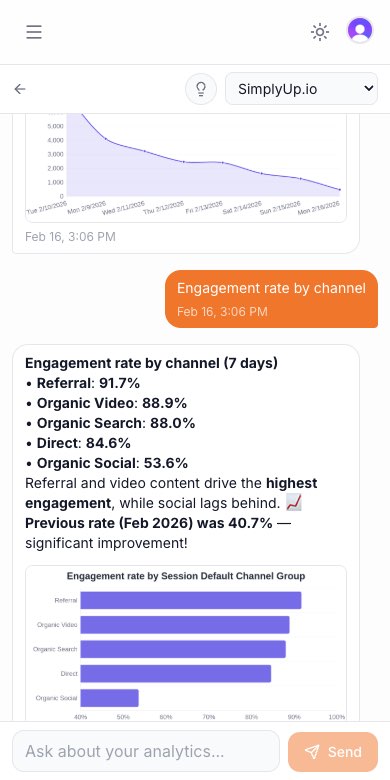
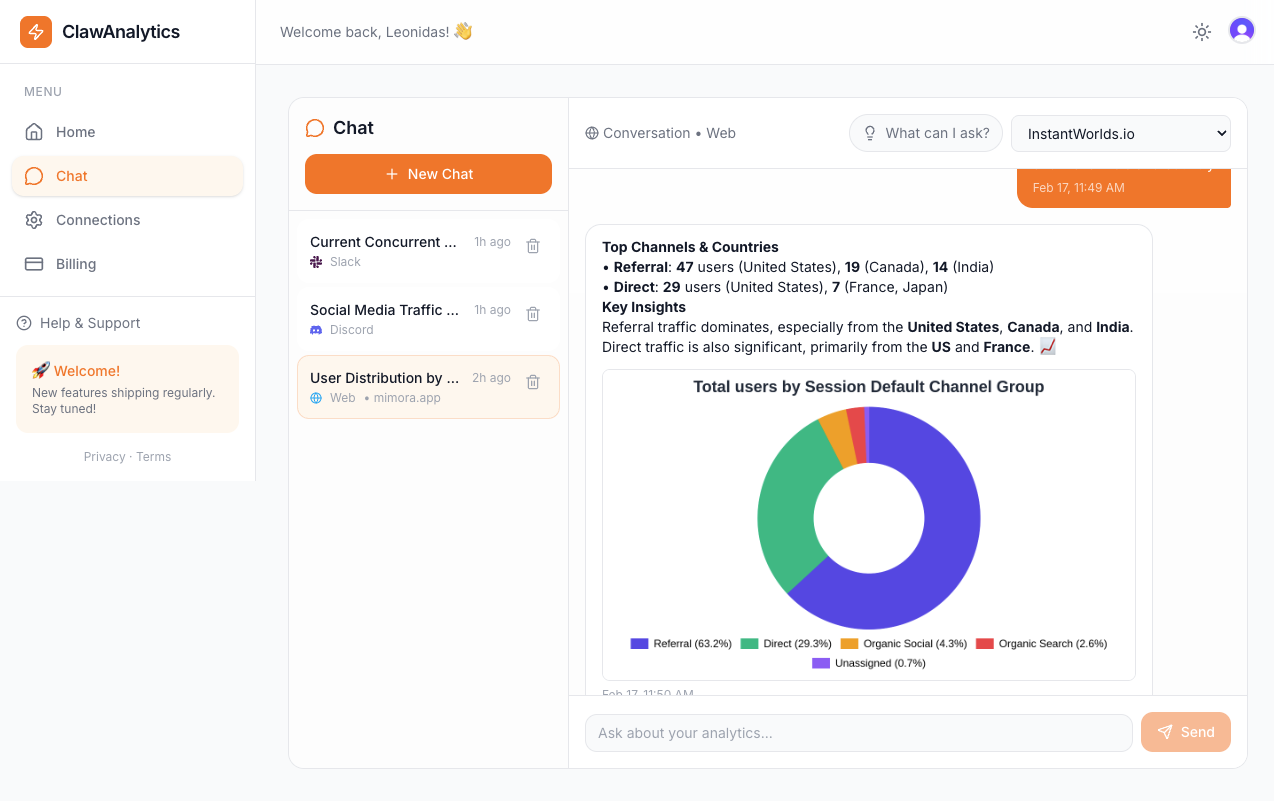
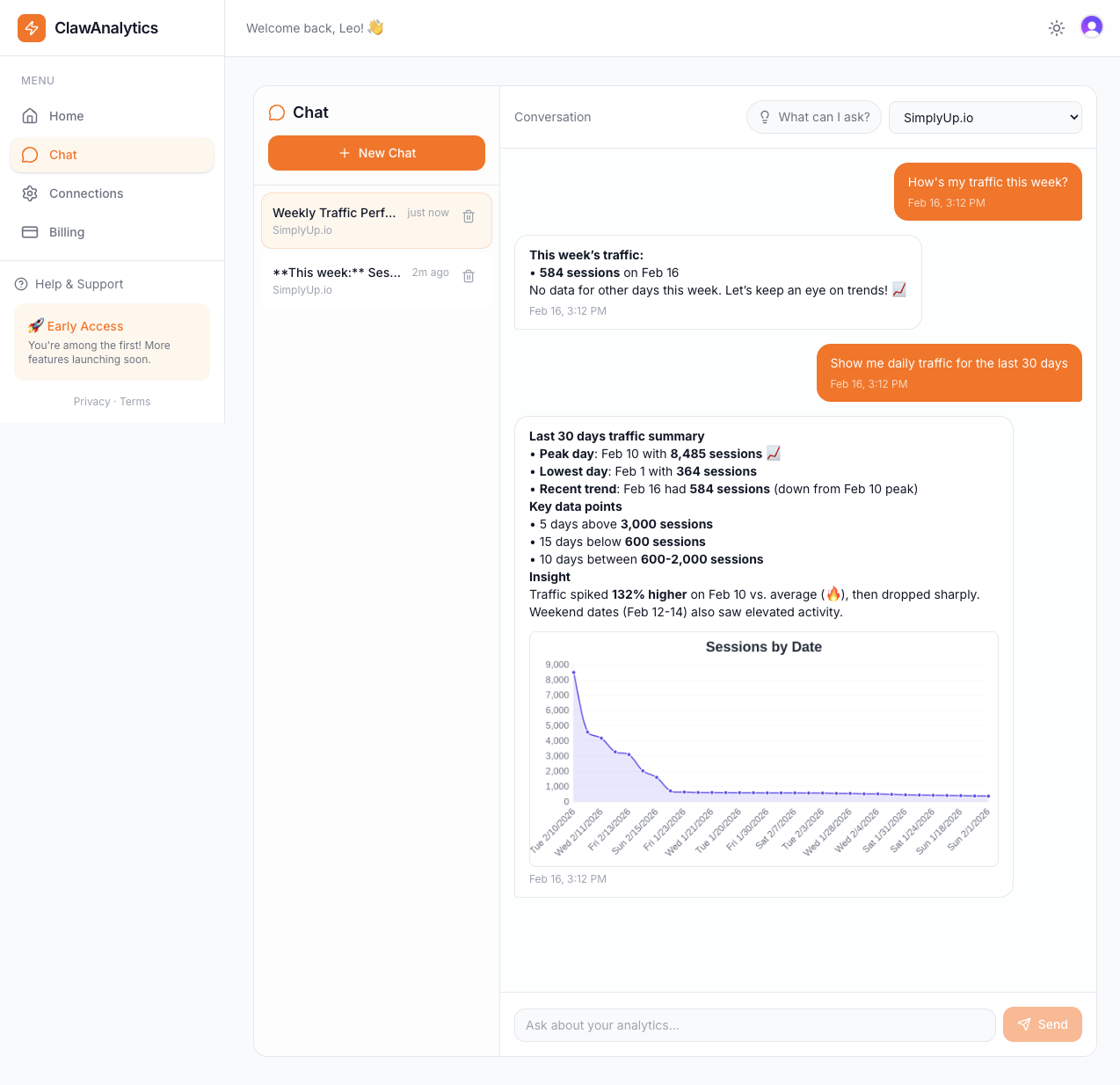
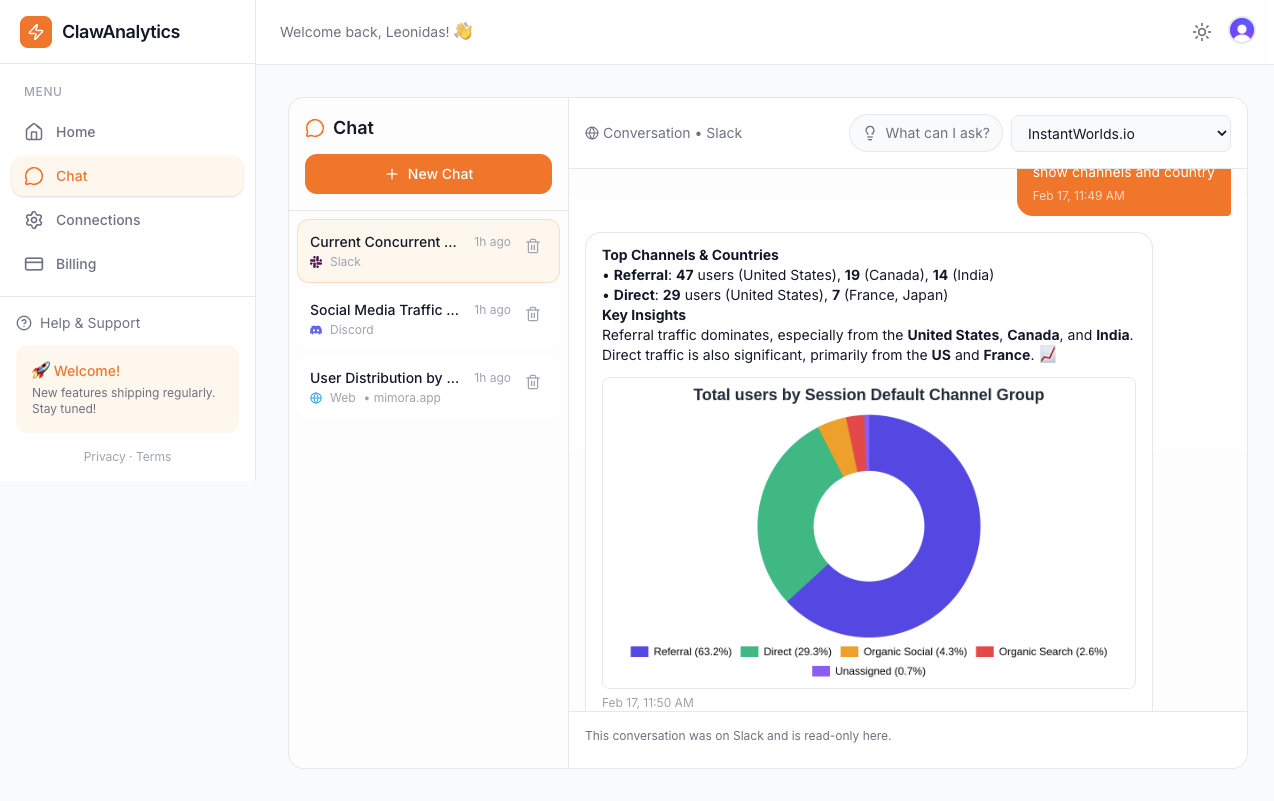
ClawAnalytics understands this. It delivers insights like “Shoppers often leave your dining set category because options are not filtered by room size” or “Most visitors who exit on your financing page want clearer monthly payment examples.”
You get actionable recommendations. The tool might tell you that adding a room visualizer could increase engagement by 40%. Or that featuring delivery timeframes on product pages could reduce exits by 25%.
Quick Wins
Take action on your top exit pages now.
If your category pages are top exits, add filtering options. Let customers sort by price, style, size, and material. This reduces overwhelm and keeps them shopping.
Make financing clear. Show monthly payments prominently for high-ticket items. Many customers can afford furniture with reasonable monthly payments but not full prices upfront.
Add clear delivery information. Include timeframes, costs, and whether you offer white-glove service. Customers buying furniture need to know when and how it arrives.
Create a showroom appointment booking option. Some customers want dedicated time with a salesperson. Make that easy to schedule online.