An architecture firm finishes a stunning residential project. The client loves it. The photos get published on design blogs. Traffic to the website spikes for two weeks, then disappears. The firm wonders why all that attention did not turn into more projects. The answer is in understanding traffic sources.
Why Traffic Sources Matter for Architects
Architectural projects are high-value, long-term commitments. Clients research architects extensively. They view portfolios, read about firm processes, and compare options. Where they discover you influences whether they reach out.
Some traffic sources bring project-ready clients. Others bring design enthusiasts who will never hire you. Knowing the difference helps you focus your energy on high-value visitors.
Here is a dollar example. A single residential project averages $15,000 to $50,000 in architect fees. If your website converts just 2% of qualified traffic into projects, and you get 1,000 qualified visitors monthly, that is 20 projects annually. Understanding which channels bring these visitors directly impacts your revenue.
What Causes Architect Traffic Source Problems
Portfolio-focused sites without context. Posting beautiful images without project descriptions, budgets, or timelines attracts browsers, not clients. Add details that help visitors understand if you are right for them.
No clear project process information. Clients want to know how you work, how long it takes, and what it costs. Without this, they move to architects who explain it clearly.
Ignoring Houzz, ArchDaily, and LinkedIn. These platforms drive significant traffic for architects. Not maintaining profiles means missing potential clients who browse these sites.
Slow website loading. High-resolution images are essential for architecture but can slow your site. Optimize images without losing quality to keep visitors engaged.
No lead capture system. Visitors interested in your work should have a clear way to start a conversation. Without contact forms or consultation requests, you lose leads.
How to Track It
In Google Analytics 4, create custom events for portfolio views, contact form submissions, and consultation requests. Compare these conversions across all traffic sources.
Track these specific questions. Which projects generate the most inquiries? This tells you what project types to highlight. Are visitors from portfolio platforms spending time on your contact page? If not, your site may not be converting them effectively. What is my inquiry-to-project rate by source? Not all leads become projects.
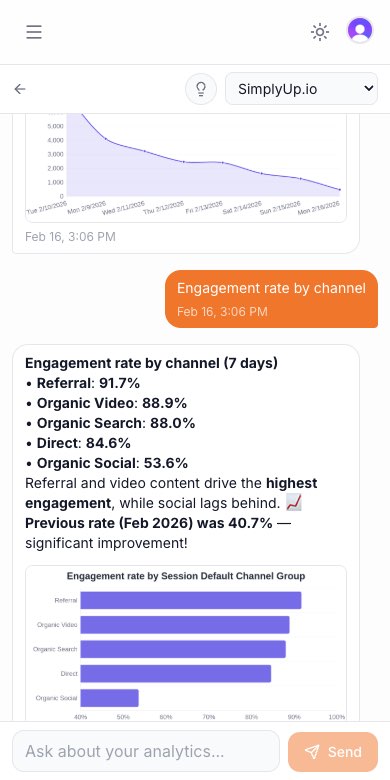
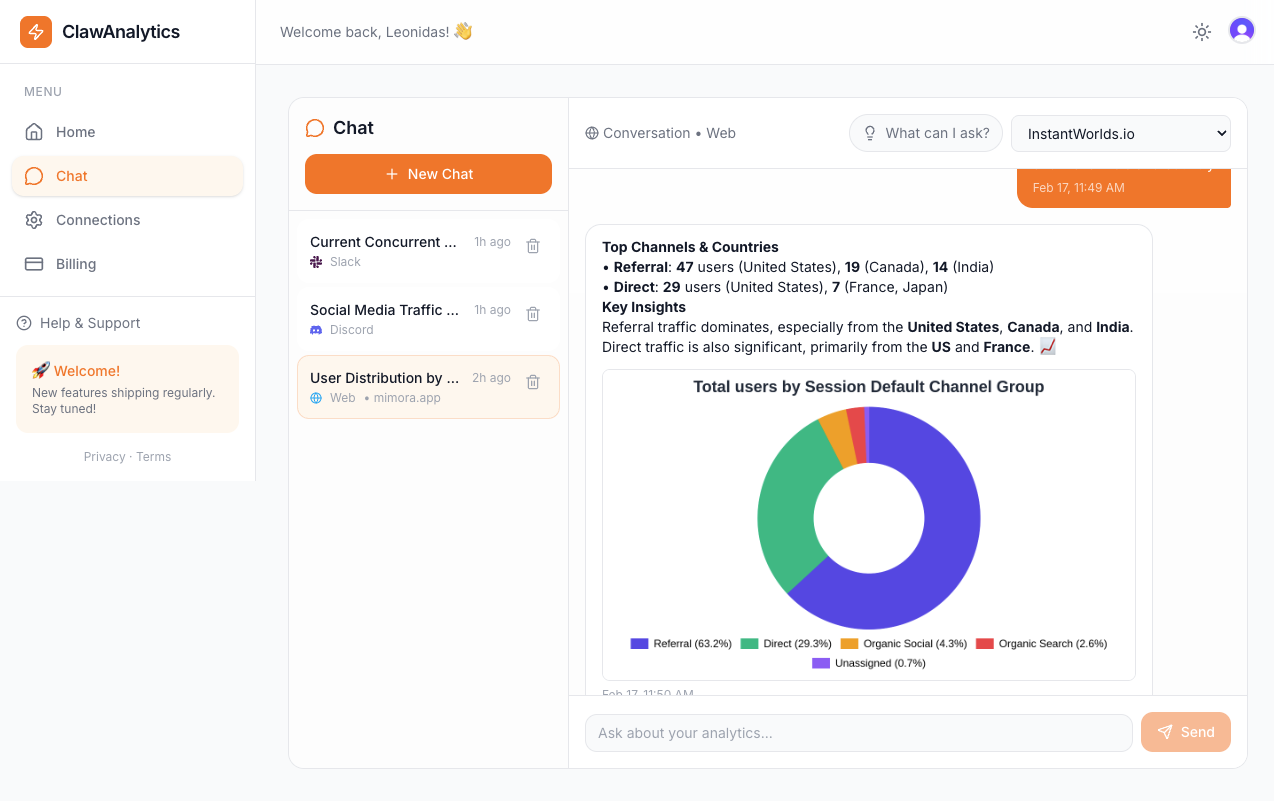
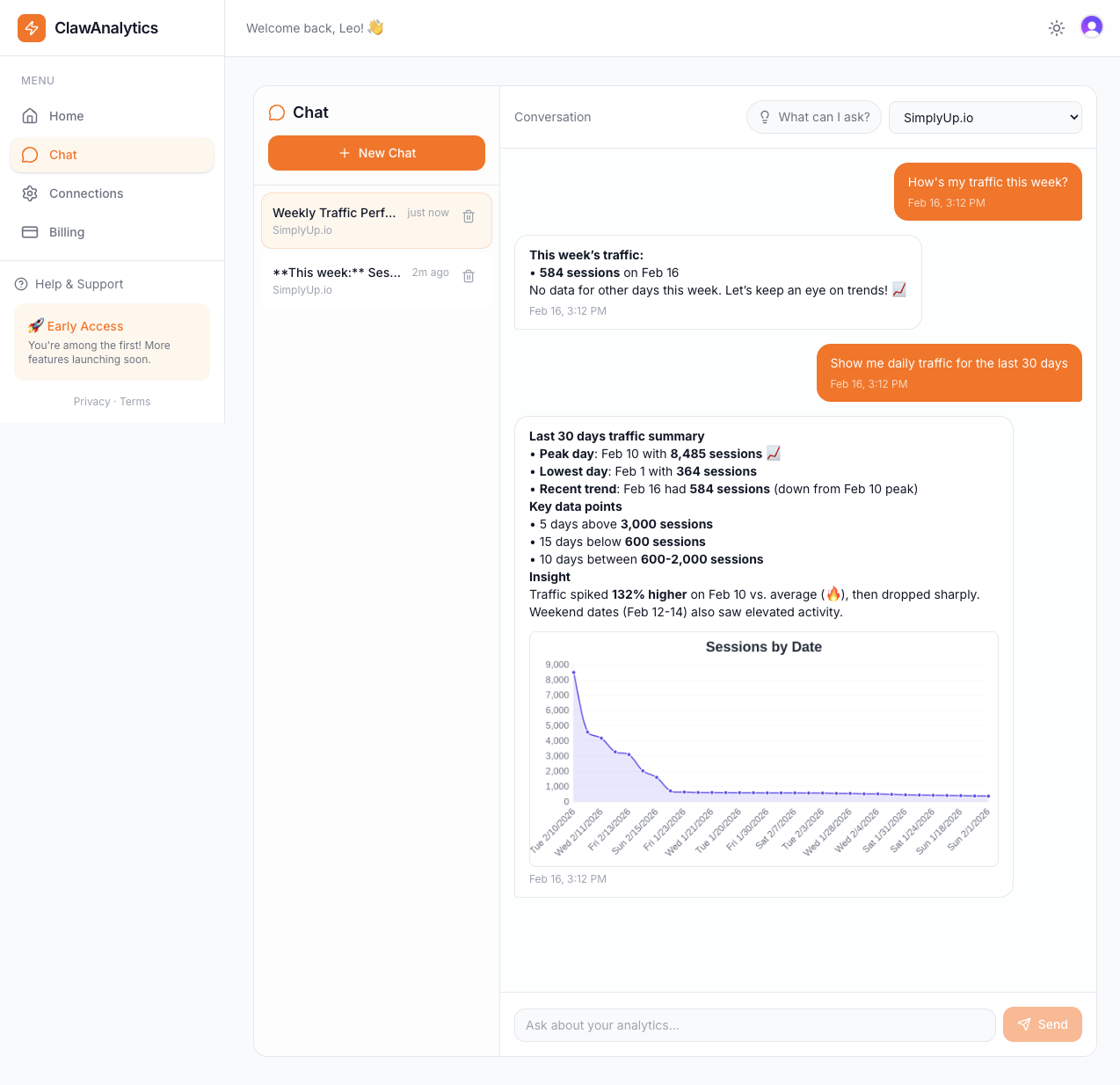
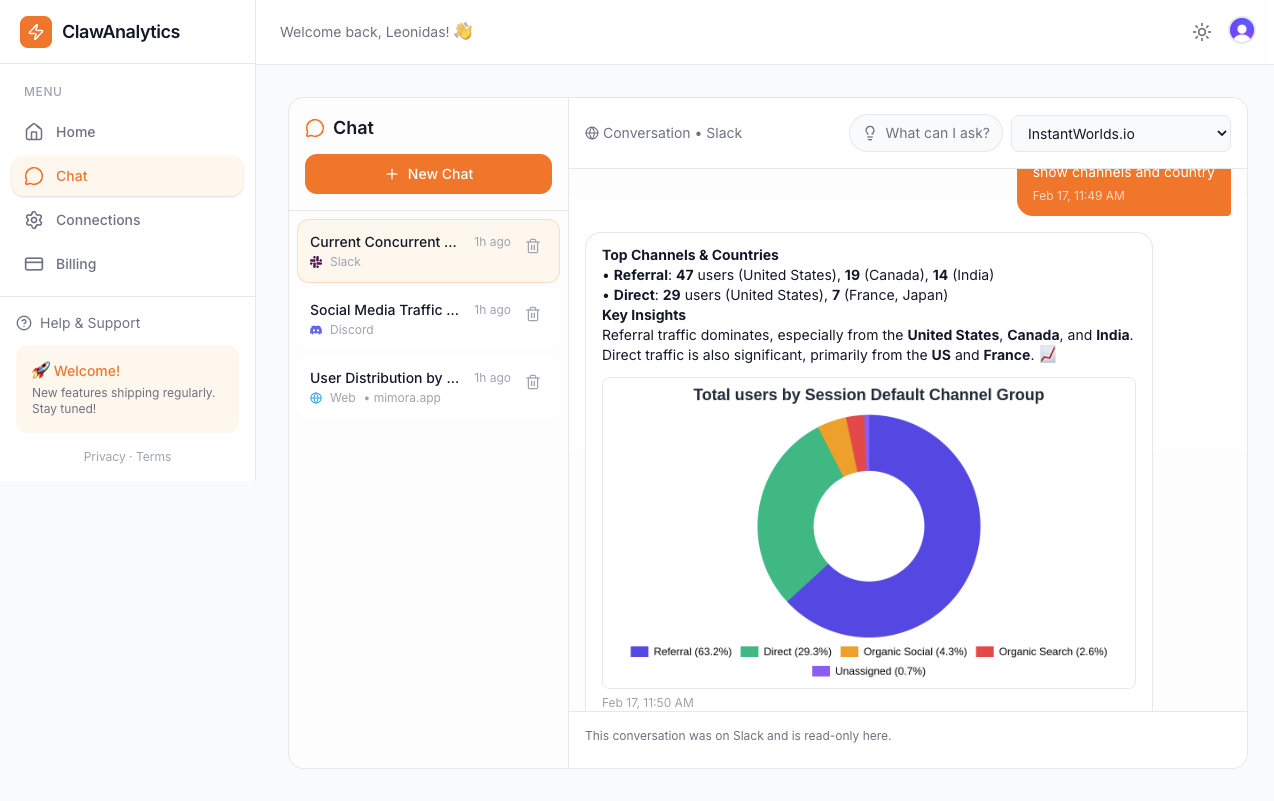
ClawAnalytics helps you see which traffic sources bring visitors who actually explore your work versus those who view one page and leave. This helps you understand where to invest your marketing time.
Set up distinct landing pages for different project types. Have separate pages for residential, commercial, and renovation projects. Track which brings the most qualified traffic.
Quick Wins
-
Create case study pages for completed projects. Include the client brief, your solution, the budget range, and the timeline. This answers questions before clients ask.
-
Add a project inquiry form that asks about budget, timeline, and project type. This qualifies leads automatically and shows you exactly what clients want.
-
List your firm on Houzz, ArchDaily, and LinkedIn. Use consistent project descriptions and high-quality images across all platforms.
-
Feature client testimonials on your homepage. Personal recommendations from past clients build trust more effectively than any design could.
-
Optimize for local search. Even if you work nationally, local keywords help you appear in searches like “architect [city]” from people in your area.