A car dealership spends $15,000 monthly on digital advertising. Their website receives 8,000 visitors. Yet the sales team complains that web leads are drying up. The marketing director pulls up the analytics and sees plenty of traffic but cannot explain where the high-quality buyers are coming from. This is exactly why understanding traffic sources matters.
Why Traffic Sources Matter for Auto Dealers
Car purchases are the second-largest financial decision most people make. Buyers research extensively online before visiting a dealership. They compare prices, read reviews, and watch video walkarounds. Where they find you matters.
Knowing your traffic sources helps you understand buyer intent. Someone who searches “best SUV for families” has different needs than someone who searches “used Honda Civic near me.” Both are valuable but require different follow-up approaches.
Here is a dollar example. If your website gets 5,000 qualified visitors monthly and 3% schedule test drives averaging $35,000 in vehicle sales, that is $5,250,000 in monthly revenue potential. Losing just half your qualified traffic to a poorly tracked campaign means missing $2,625,000 in sales opportunities.
What Causes Auto Dealer Traffic Source Problems
Poor keyword targeting. Running ads for “car dealer” instead of specific models means attracting browsers, not buyers. Target the exact vehicles you have on your lot.
No lead source tracking. When a customer arrives, do you know if they came from a Google search, a Facebook ad, or a local billboard? Without this, you cannot duplicate what works.
Landing pages that do not match ads. If someone clicks an ad for a 2024 Toyota RAV4 but lands on your homepage, they leave. Direct them to the specific vehicle page.
Ignoring third-party sites. Sites like Cars.com, Autotrader, and Kelley Blue Book drive significant traffic. Not tracking these referrals means missing major lead sources.
Slow website performance. Car buyers expect instant access to pricing, photos, and availability. A 3-second delay cuts conversions by 25%.
How to Track It
In Google Analytics 4, go to Traffic Acquisition and sort by the Secondary dimension of Source and Campaign together. This shows not just that you got search traffic, but exactly which search terms and ads brought visitors.
Track these specific questions. Which vehicle pages get the most traffic from organic search? This tells you which cars people are actively researching. Are visitors from third-party sites spending time on your inventory? If not, your site may need better integration. What is the conversion path? Do visitors come back multiple times before contacting you?
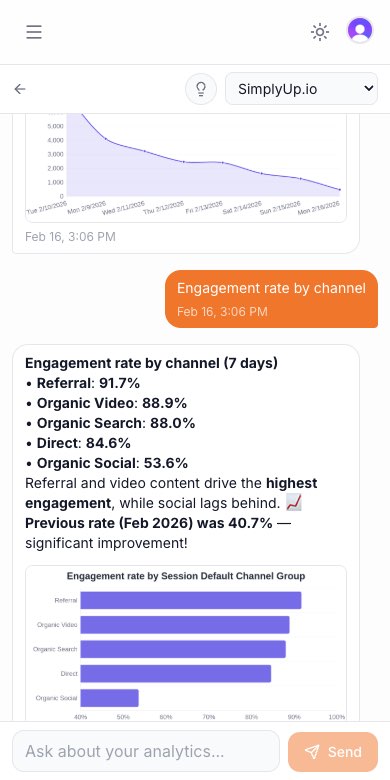
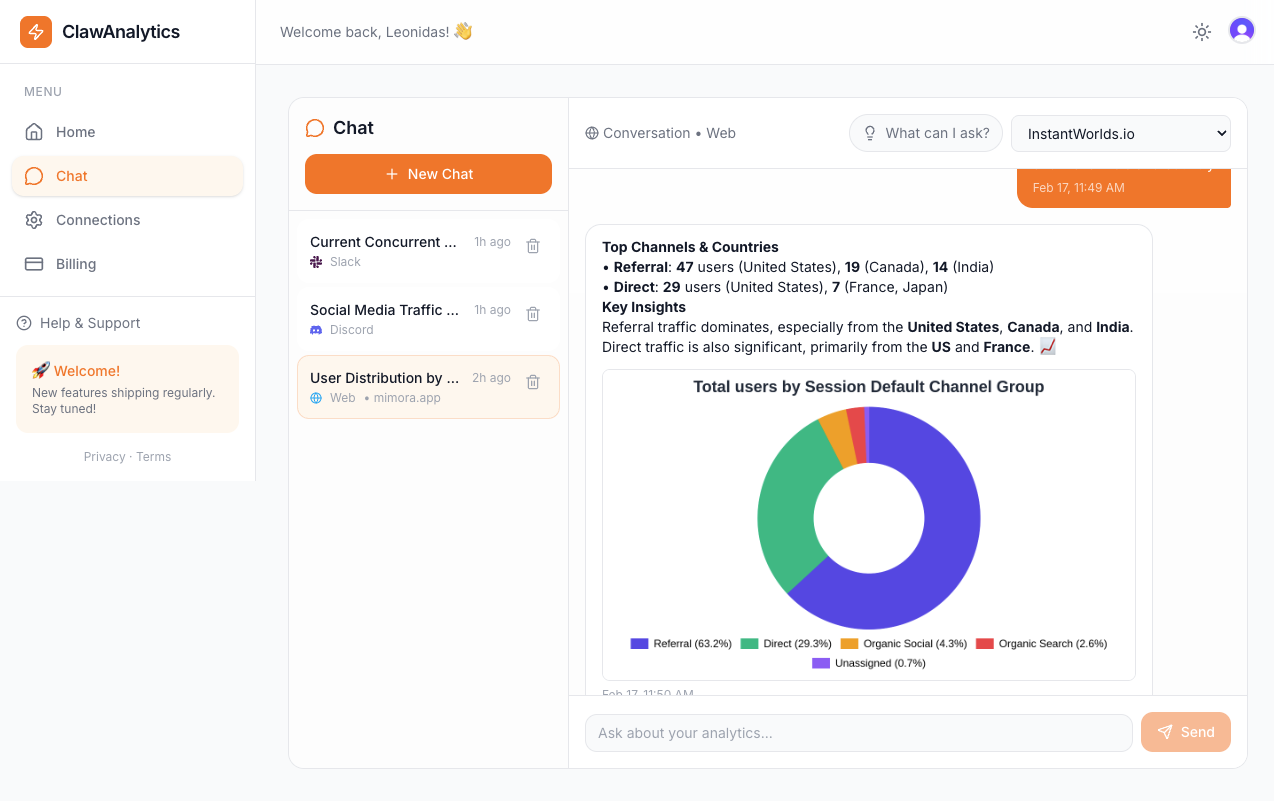
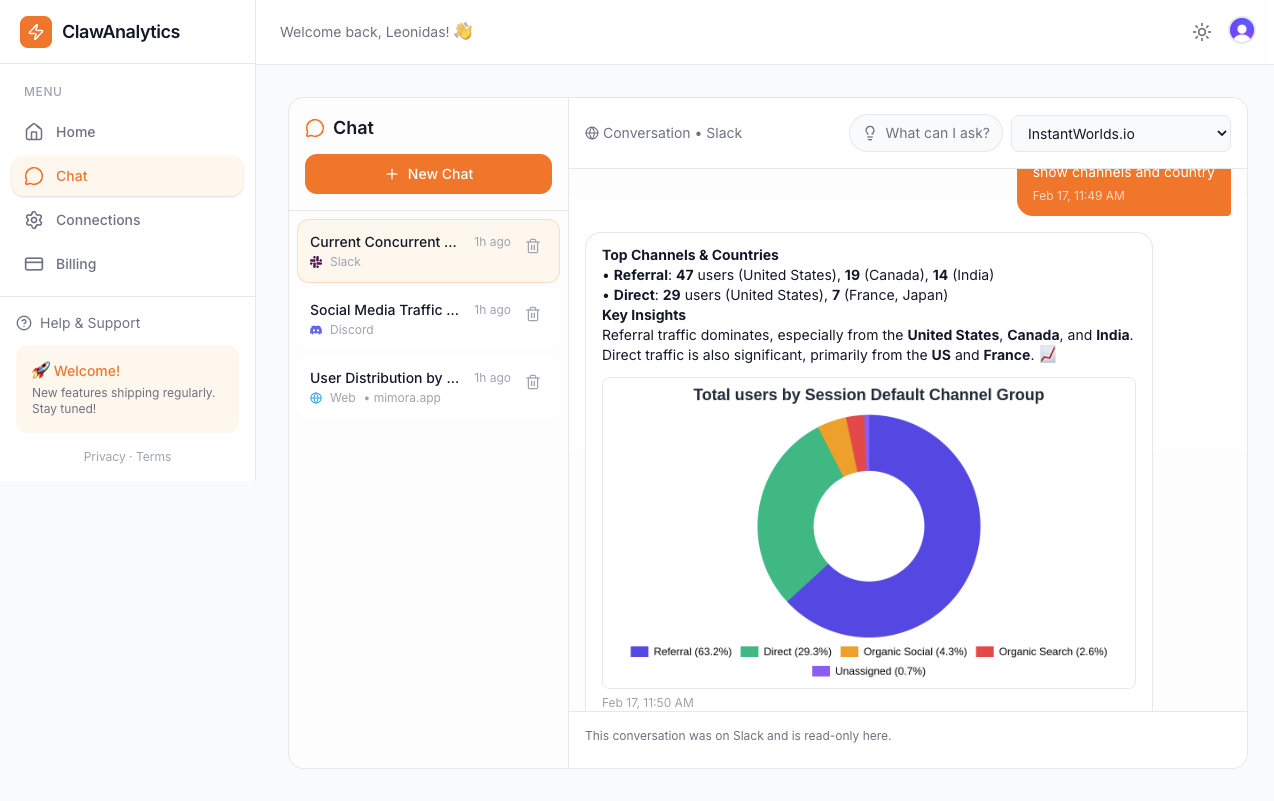
ClawAnalytics helps by consolidating all your traffic sources into one view. You see which sources bring visitors who actually engage with your inventory, not just page views. This helps you prioritize the channels that drive real car buyers.
Set up event tracking for key actions like “Schedule Test Drive” button clicks, “Viewed Pricing,” and “Used Payment Calculator.” This gives you conversion data beyond just form submissions.
Quick Wins
-
Audit your Google Business Profile daily. Update your inventory, respond to reviews, and add new photos. This captures high-intent local traffic.
-
Create dedicated landing pages for each paid campaign. Match the ad copy exactly to what the visitor sees. Remove navigation menus to keep focus on the vehicle.
-
Implement chat on your site with car buyer-specific questions. Ask about their budget, timeline, and preferred vehicle. This qualifies leads instantly.
-
Add Schema markup to your inventory pages. This helps search engines display your pricing and availability directly in results, increasing click-through rates.
-
Retarget website visitors with specific vehicles they viewed. Someone who looked at a Ford F-150 should see F-150 ads, not general dealership promotions.