Your time on page metric tells you whether prospective students find the information they need to make educational decisions. When someone researches degree programs, they want detailed information, not marketing fluff.
Why Time on Page Matters for Education
Prospective students spend weeks or months researching educational options. Your website must hold their attention long enough to build interest and trust.
- Longer time on page correlates with higher conversion rates. Students who spend three minutes on program pages are more likely to apply than those who leave in 30 seconds.
- Google uses dwell time as a ranking signal. If visitors quickly return to search results, your rankings drop.
- Education decisions are high-stakes. Students need detailed information to feel confident about their choice.
- Your website operates 24/7. While your admissions office closes, your site continues engaging potential students.
A university with 5000 monthly program page visitors averaging 2 minutes has significantly more applications than one with 45-second average times.
What Causes Education Issues with Time on Page
Education websites often struggle with engagement for several reasons.
Thin program content. Listing a degree name without curriculum details, career outcomes, and faculty information fails to answer student questions.
Hidden tuition information. Prospective students need to know costs before investing time in your program.
Complex navigation. Program finders that require too many clicks frustrate visitors looking for specific degrees.
No clear next steps. Visitors who want to apply should see obvious pathways to do so.
Slow website performance. Students research on phones. Slow-loading pages cause immediate exits.
How to Track It
Google Analytics 4 provides detailed time on page reports. Here is how to set this up effectively for your institution.
Enable enhanced measurement in GA4 to automatically capture scroll depth and outbound clicks. This shows you not just how long visitors stay, but how much of your content they see.
Create a custom report segmented by:
- Program type (undergraduate, graduate, certificate)
- Traffic source (organic, paid, referral)
- Device category (mobile, desktop)
Track these key metrics:
- Average time on page for program pages
- Scroll depth percentage
- Events like brochure downloads and application starts
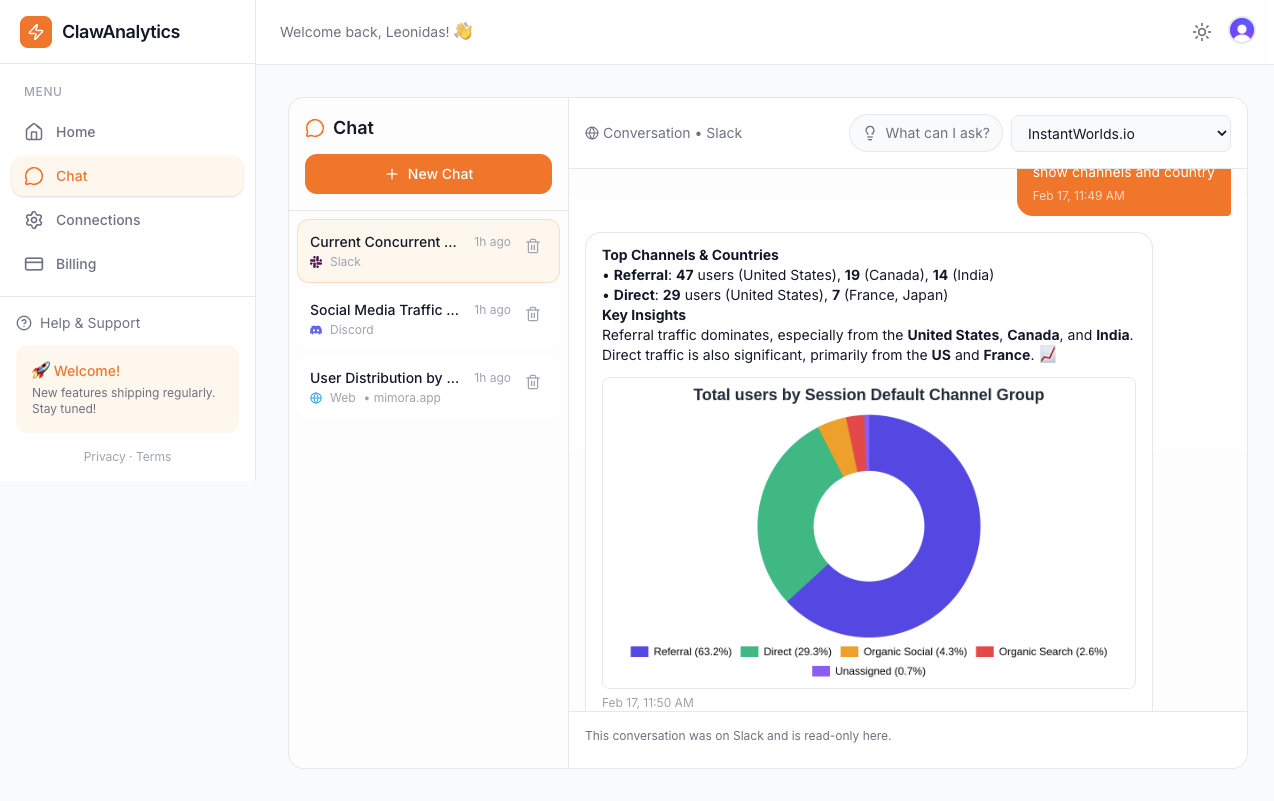
ClawAnalytics adds education-specific benchmarks to your data. You can compare your program page performance against similar institutions. The platform also helps you identify which content keeps students engaged longest.
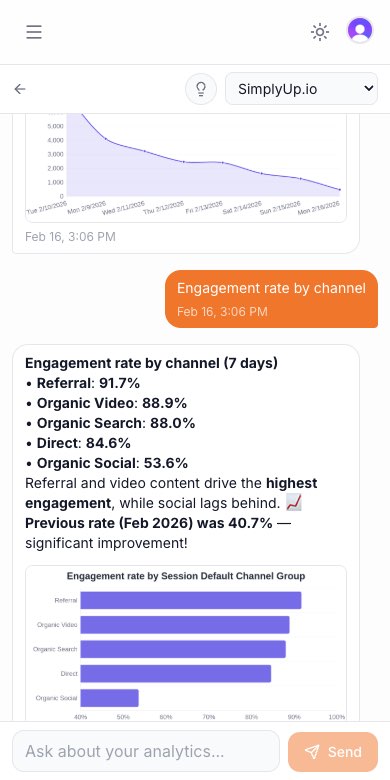
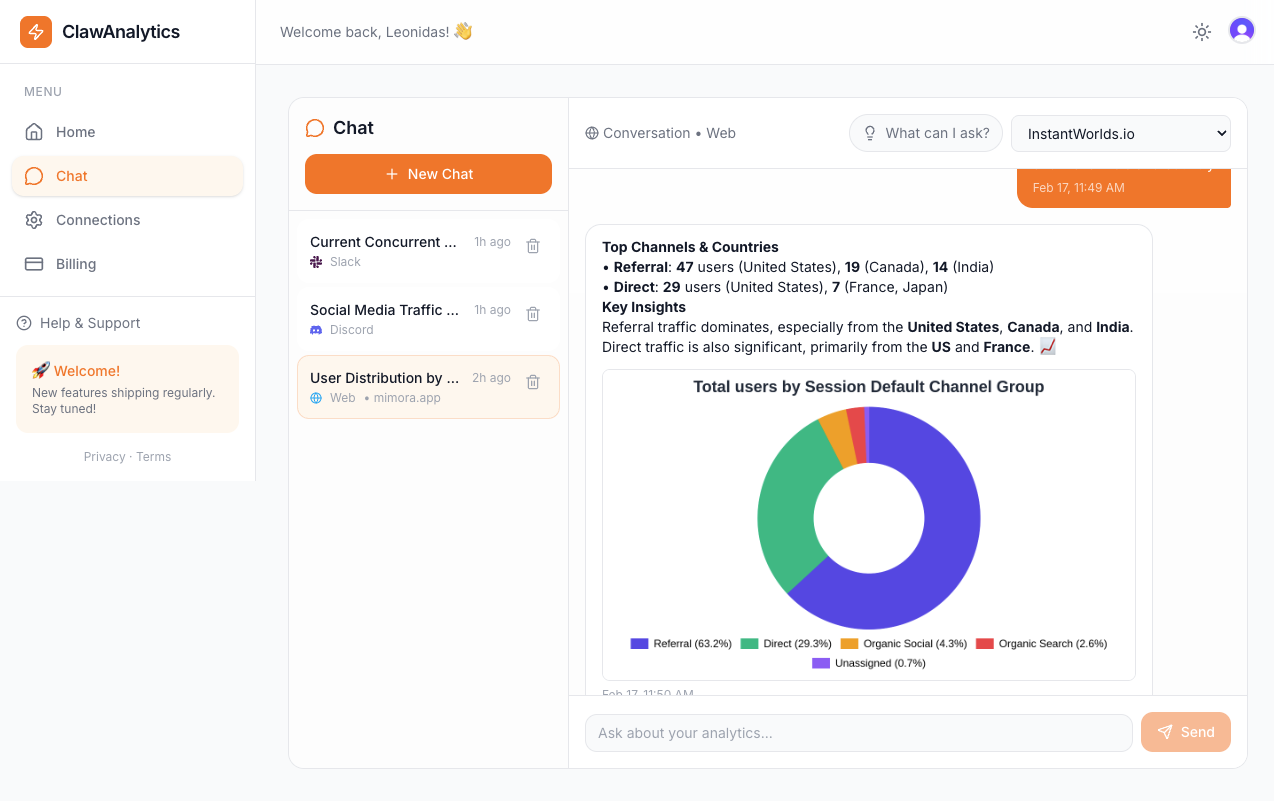
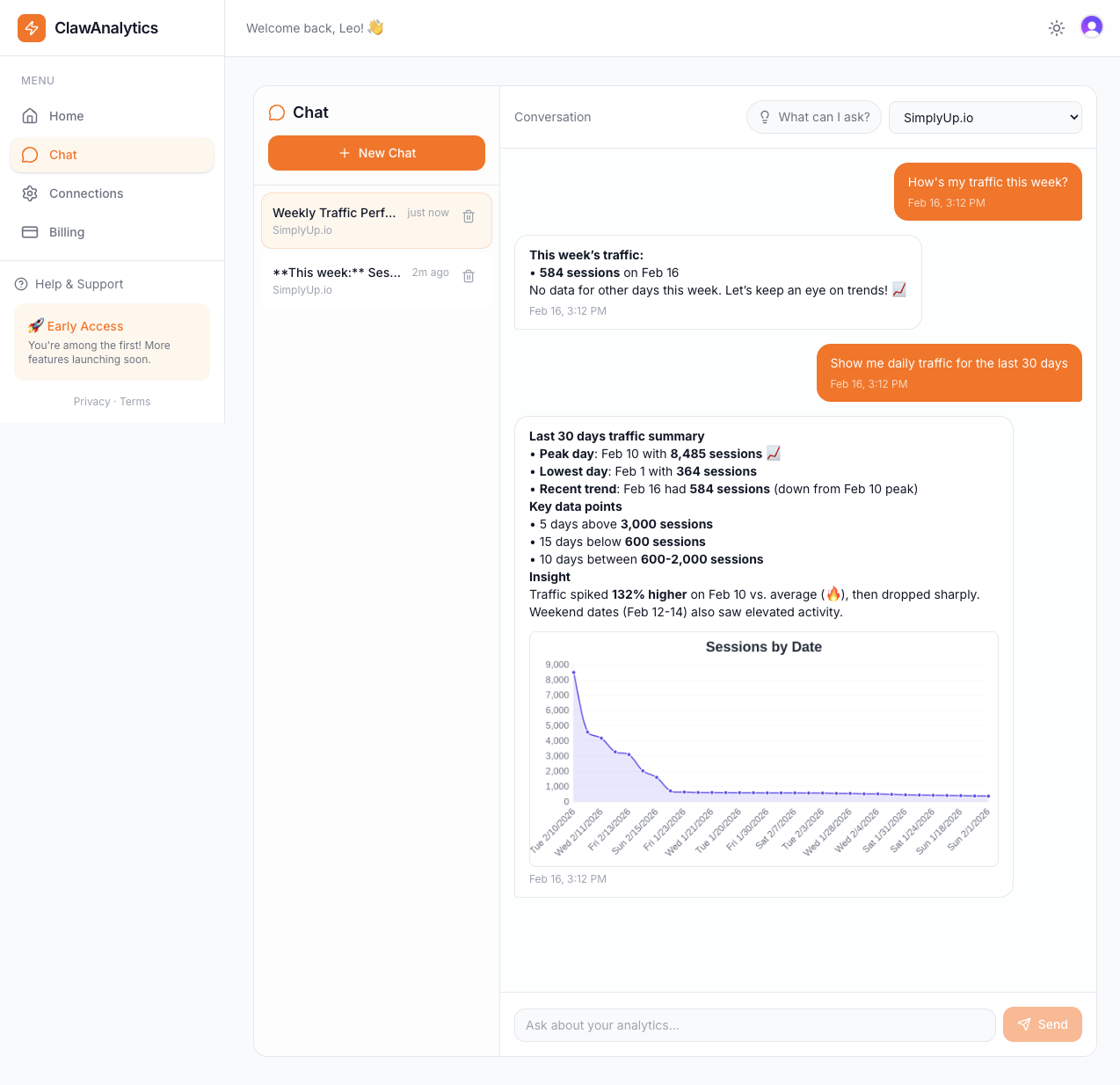
With ClawAnalytics, you can ask questions like “Which program pages have the highest engagement?” and immediately see which degrees attract the most interest. This helps prioritize content development.
Quick Wins
-
Expand program pages. Add curriculum outlines, faculty bios, student outcomes, and real career paths for graduates.
-
Create a tuition calculator. Interactive tools keep visitors engaged while helping them plan financially.
-
Add student and alumni testimonials. Video testimonials from current students and graduates build emotional connection.
-
Build a comprehensive FAQ. Address common questions about admissions, financial aid, and campus life in one searchable place.
-
Include clear CTAs. Every program page should have obvious next steps, whether scheduling a visit or starting an application.
These improvements can increase your average time on page by 50% or more, leading to more applications and enrolled students.