A florist opens her website analytics after Valentine’s Day. She had 4,000 visitors. She fulfilled 250 orders. That is a 6% conversion rate, which seems fine. But she spent $2,000 on Instagram ads and cannot tell if a single order came from it. She wonders if her marketing budget is wasted. This is exactly why traffic source tracking matters.
Why Traffic Sources Matter for Florists
Florists face unique traffic challenges. Valentine’s Day, Mother’s Day, and weddings create massive traffic spikes. Then comes the slow months. Understanding where visitors come from helps you plan for both.
Local customers drive most florist business. Someone searching “flowers near me” or “wedding florist [city]” is ready to buy. Someone scrolling Instagram might be planning a future event. Both are valuable but require different follow-up.
Here is a dollar example. An average floral order is $75. If your website gets 2,000 visitors monthly and converts at 5%, that is 100 orders or $7,500 in monthly revenue. If half your traffic comes from Instagram but none of it converts, you should shift that budget to local search ads.
What Causes Florist Traffic Source Problems
Ignoring local search optimization. When someone searches “florist near me,” you need to appear. Not optimizing for local search means losing immediate buyers to competitors.
No seasonal planning. Traffic sources change dramatically by season. Mother’s Day brings different visitors than August. Not adjusting your marketing creates missed opportunities.
Website not optimized for mobile. Over 60% of floral searches happen on mobile. If your site does not work on phones, you lose the majority of potential customers.
No wedding-specific landing pages. Wedding florals are high-value. Without dedicated pages, you miss couples actively planning who search specifically for wedding flowers.
Forgetting about corporate accounts. Businesses need flowers for offices and events. This traffic source often brings repeat orders but requires different marketing.
How to Track It
In Google Analytics 4, create segments for different seasons and occasions. Compare Valentine’s Day traffic to regular traffic to see how conversion rates change.
Track these specific questions. Which arrangements get the most traffic? This shows what products to feature. Are mobile visitors converting? If not, test your mobile checkout process. What is my cost per order by traffic source? Divide your marketing spend by orders from each channel.
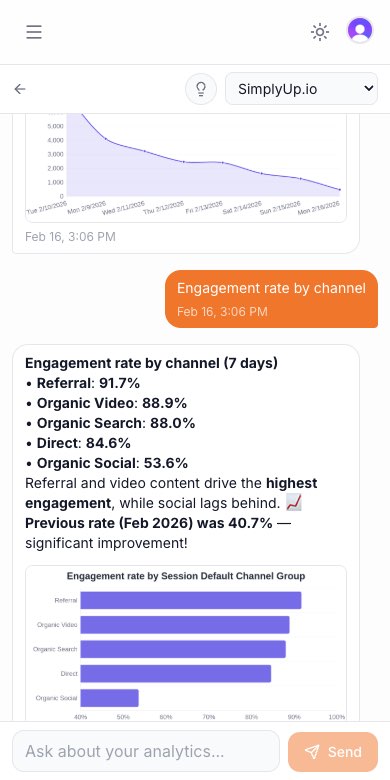
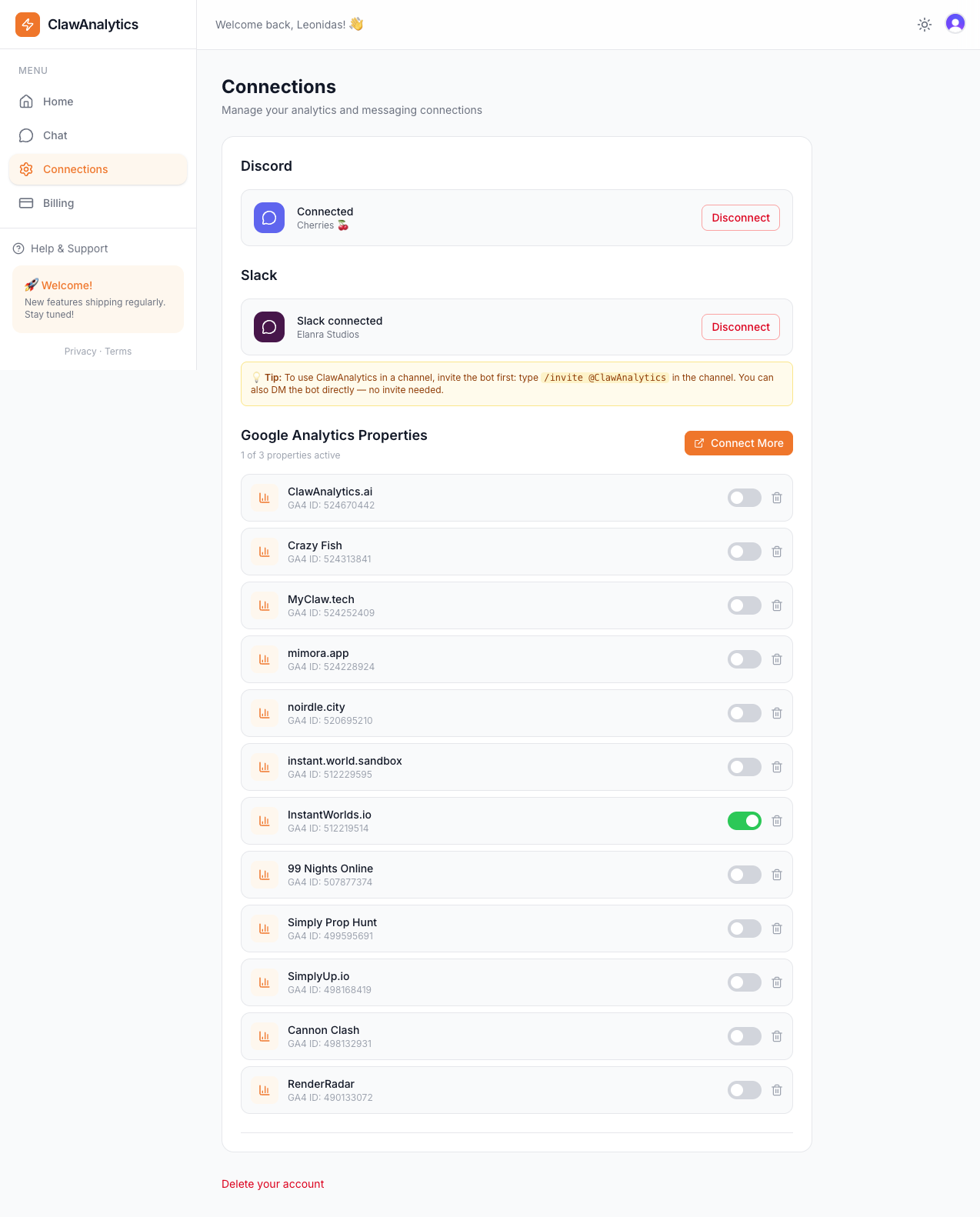
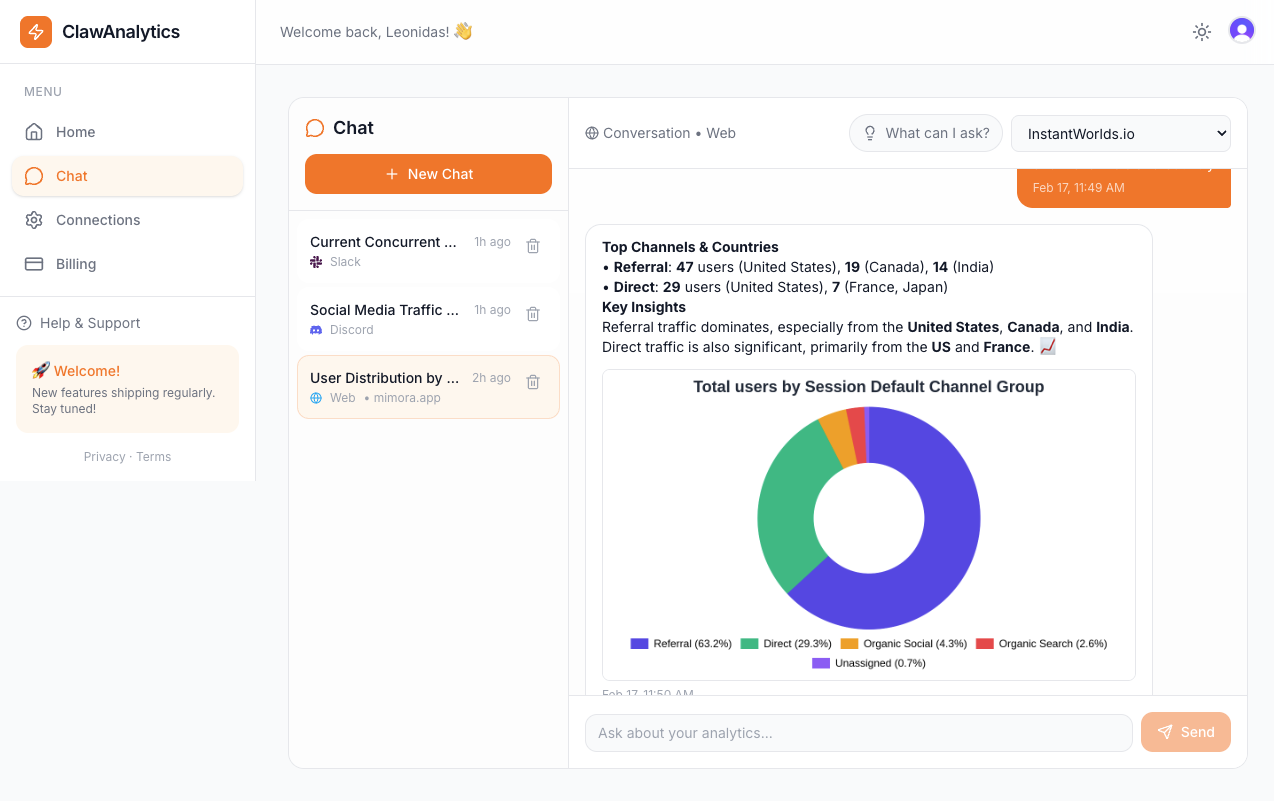
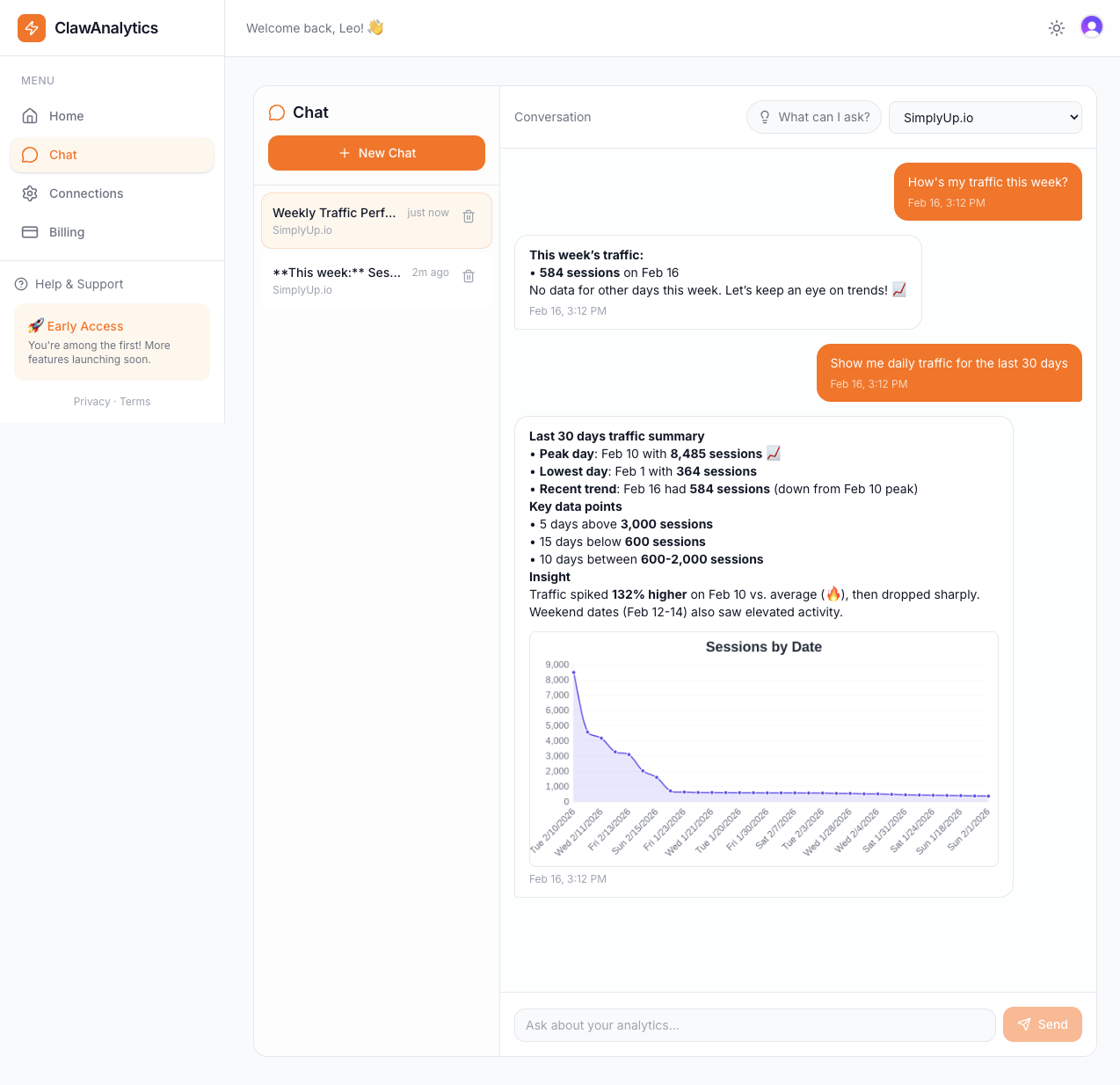
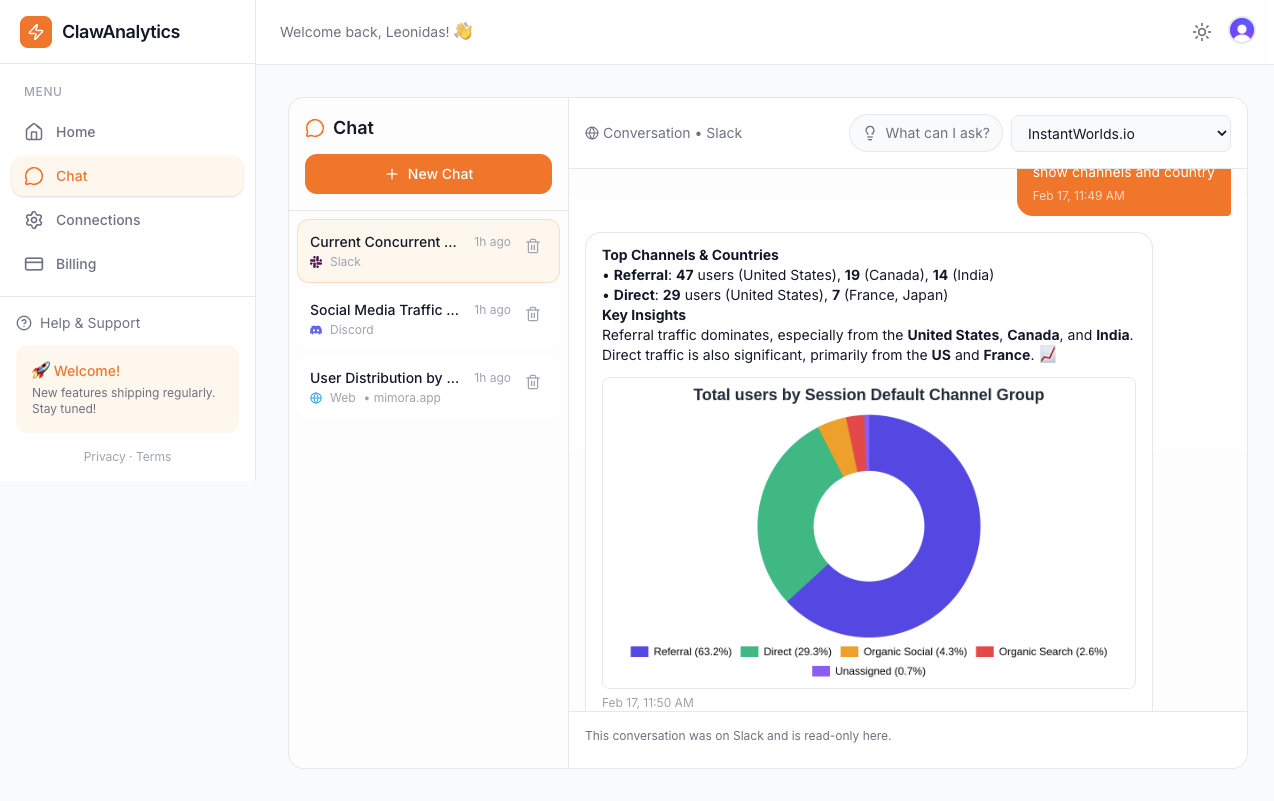
ClawAnalytics helps you see which traffic sources bring visitors who actually place orders versus those who just browse. This shows you where to focus your budget.
Set up UTM tracking for every campaign. Tag your wedding expo presence, your local magazine ad, your Google ads, and your social media posts separately.
Quick Wins
-
Claim and optimize your Google Business Profile. Add photos of arrangements, list your delivery areas, and respond to every review. This captures local search traffic.
-
Create holiday-specific landing pages. Valentine’s Day, Mother’s Day, and prom each have different customers. Tailor your pages to each occasion.
-
Build a wedding portfolio page. Include photos, price ranges, and a inquiry form specifically for wedding clients. This captures high-value seasonal traffic.
-
Offer corporate account options. Businesses need regular flowers for offices. This creates recurring revenue from a reliable traffic source.
-
Collect email addresses for reorder reminders. A customer who bought for Mother’s Day might need anniversary flowers in 6 months. Stay in touch.