Tony runs an HVAC company in Dallas. Every summer, his phone rings off the hook. But he noticed something odd: his busiest months were actually his worst for profitability. He was scrambling with emergency calls at premium rates, but his repeat customer base was shrinking.
Then he analyzed his traffic sources. His AC repair ads brought emergency calls, but his maintenance content brought customers who signed annual agreements. The maintenance customers? They came from a blog post about “Why Annual AC Maintenance Matters.” Those customers stayed longer and referred more friends.
Why Traffic Sources Matter for Hvac
HVAC is seasonal. It’s competitive. And the lifetime value of an HVAC customer is huge if you keep them. Your traffic sources tell you whether you’re building long-term relationships or just chasing emergency calls.
What good looks like:
- Organic content captures seasonal research before peak demand
- Paid search captures emergency and high-intent searches
- Email marketing from your website nurtures past customers
- Manufacturer partnerships drive referrals for equipment replacements
The difference between profitable HVAC companies and struggling ones often comes down to traffic source strategy. Emergency calls pay the bills. Maintenance agreements build the business.
What Causes Hvac Issues with Traffic Sources
1. Only investing in emergency capture. If all your marketing targets “AC repair near me,” you’re only reaching customers in crisis. They’re price-sensitive and unlikely to become maintenance customers.
2. No content for the research phase. Homeowners research HVAC for weeks before buying. They search “best AC unit for Dallas,” “HVAC installation cost,” and “how long do AC units last.” Your content captures them first.
3. Ignoring the equipment replacement cycle. When someone’s AC dies and they need a new one, they’re likely to go with the company they already know. Are you reaching them before that moment?
4. Not tracking service agreement conversions. Annual maintenance agreements are your bread and butter. But you need to know which traffic sources bring these customers.
5. Weak retargeting strategy. Someone visited your site, didn’t call, and now sees your competitor. Retargeting keeps you in the conversation.
How to Track It
Here’s how HVAC companies should track:
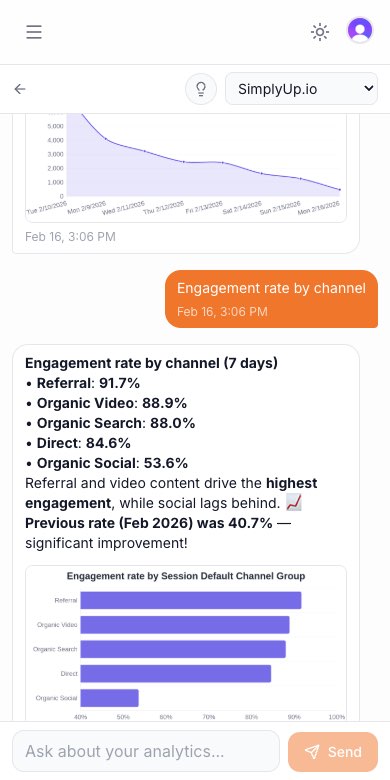
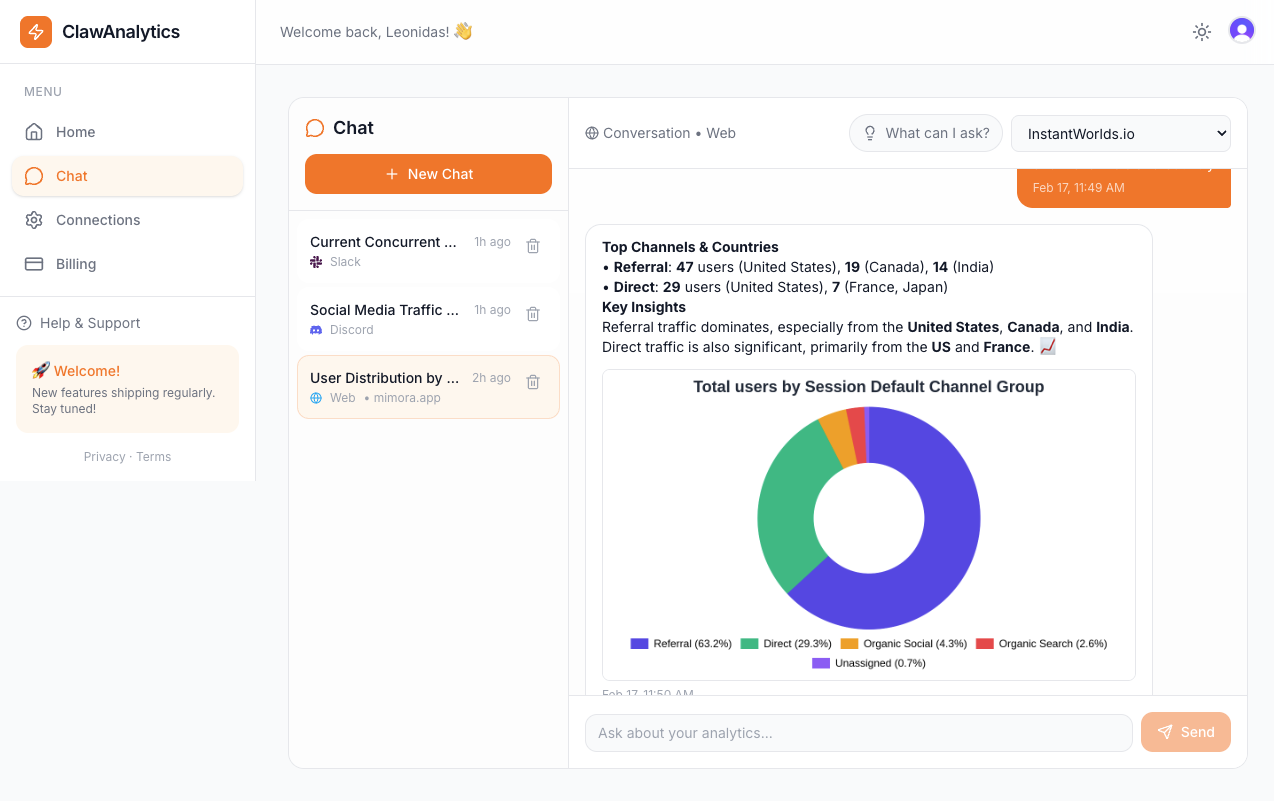
- GA4 Traffic Acquisition shows channel breakdown
- Google Search Console shows HVAC-related search queries
- Call tracking with source-specific numbers
- CRM tracking for maintenance agreement renewals
Ask these questions:
“Which sources bring maintenance agreement customers?”
These are your highest-value leads. Track them separately from one-time service calls.
“What content do my future customers read before calling?”
Create a “customer journey” report showing which pages leads visited before converting. This tells you what content matters.
“Are my seasonal campaigns hitting at the right time?”
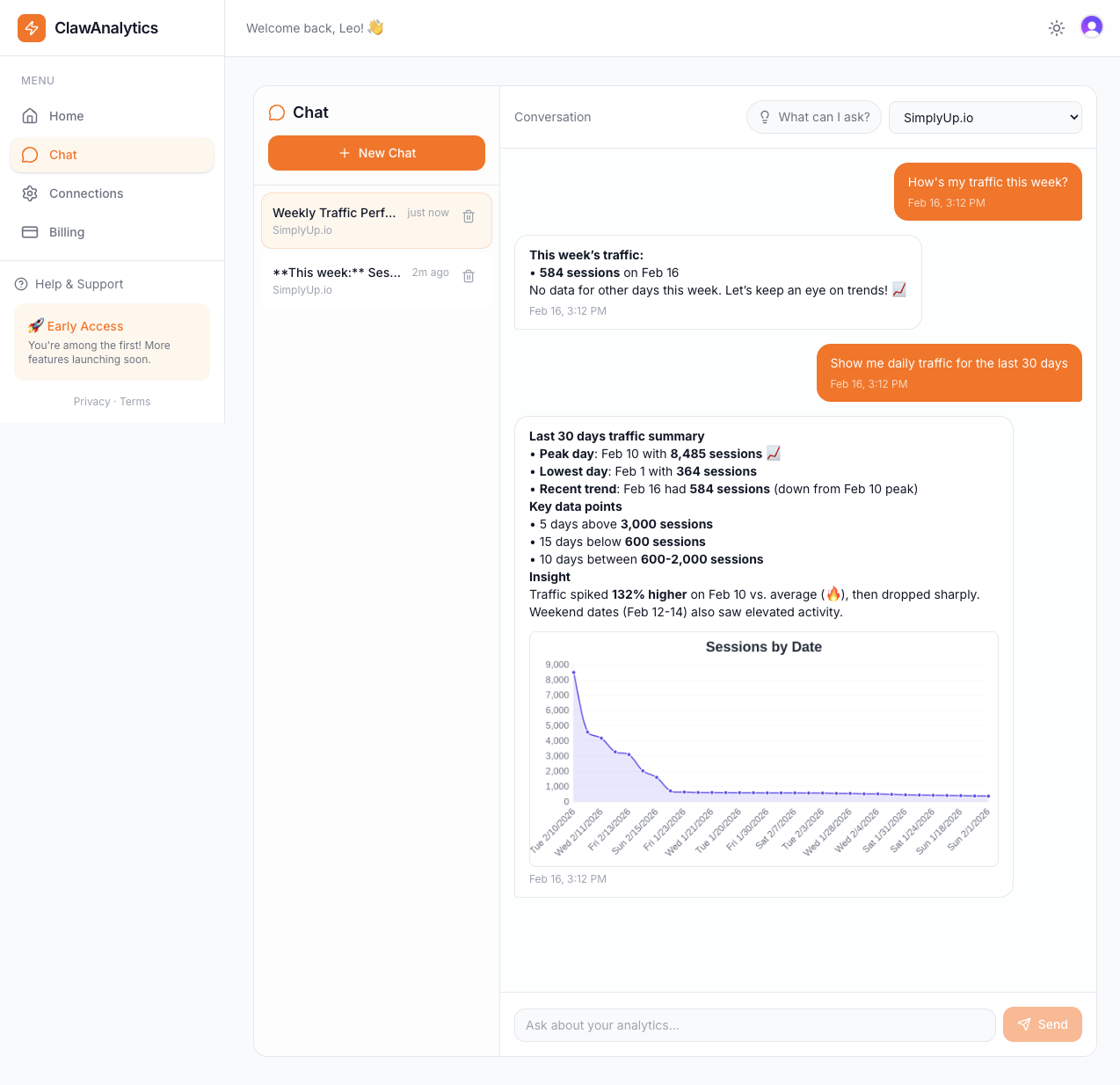
HVAC searches peak in June and January. Your content needs to rank by May and December. Check your traffic timing against search trends.
“Which equipment brands should I specialize in?”
ClawAnalytics can show you which content about specific brands brings leads. If “Carrier AC” content brings more leads, prioritize that equipment.
Quick Wins
-
Create seasonal content early. Write your summer AC content in March. Write your winter furnace content in September. This gives time to rank before peak season.
-
Build a maintenance agreement landing page. Make it easy to sign up online. Track conversions separately from emergency service.
-
Use manufacturer partnerships. Carrier, Trane, and other manufacturers often have co-marketing programs. These drive high-intent traffic.
-
Retarget website visitors. Show ads to people who visited but didn’t book. Remind them why your company is the right choice.
-
Start an email newsletter. Capture visitor emails with a “Seasonal HVAC Tips” newsletter. Nurture relationships year-round.