An insurance agent tells you they are drowning in website visitors but cannot land a single new policy from their digital marketing. They show you 3,000 monthly visitors and a grand total of 12 quote requests. The traffic is there. The conversion is not. This is exactly what happens when you ignore traffic source data.
Why Traffic Sources Matter for Insurance
Insurance is a trust-driven purchase. People need to believe you will be there when they file a claim. The way they find you shapes how they perceive you. Someone who finds you through an independent agent referral trusts you more than someone who clicked a comparison ad.
Understanding traffic sources also helps you allocate your marketing budget. Insurance quotes are expensive to generate. If you are paying $50 per quote from one channel but $15 from another, you need to know which is which.
Here is a dollar example. If you generate 200 qualified leads monthly and 15% become policies averaging $1,200 in annual premium, that is $36,000 in first-year revenue. If half your leads come from a channel with a 5% conversion rate and half from 20%, improving the better channel could double your revenue.
What Causes Insurance Traffic Source Problems
Bidding on broad keywords. “Insurance” is too competitive and attracts people just starting their research. Target specific phrases like “auto insurance quotes [city]” or “home insurance [neighborhood].”
No follow-up automation. A visitor fills out a quote form and hears nothing for 3 days. They went with a competitor. Set up instant email sequences for every form submission.
Comparing yourself to aggregators. Sites like Policygenius or Gabi have massive budgets. Do not try to outrank them. Instead, focus on local keywords and personalized service.
Ignoring existing client traffic. Your current clients need life insurance, home insurance, and policies for their kids. Are you marketing to them?
Complicated quote forms. If your form has 15 fields, you lose half your visitors. Keep it to name, email, phone, and zip code. Get the details later.
How to Track It
In Google Analytics 4, set up conversion events for quote requests, phone calls, and policy sign-ups. Then compare these conversions by traffic source in the Traffic Acquisition report.
Track these specific questions. Which pages on my site convert the most quote requests? This shows what coverage people want most. Are visitors from partner sites requesting quotes? If not, those partners may not be sending qualified leads. What is my cost per lead by channel? Divide your ad spend by the number of leads from each source.
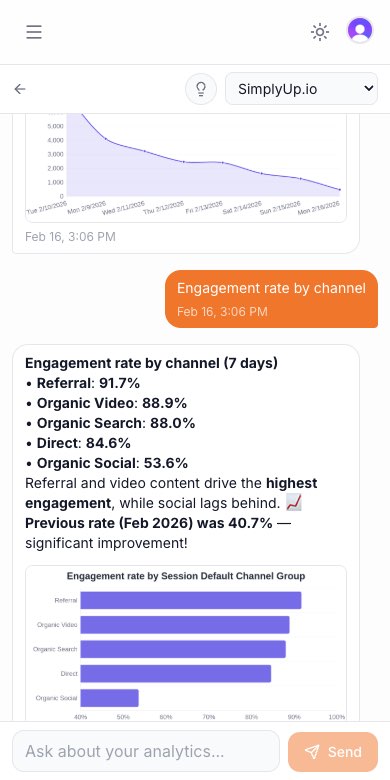
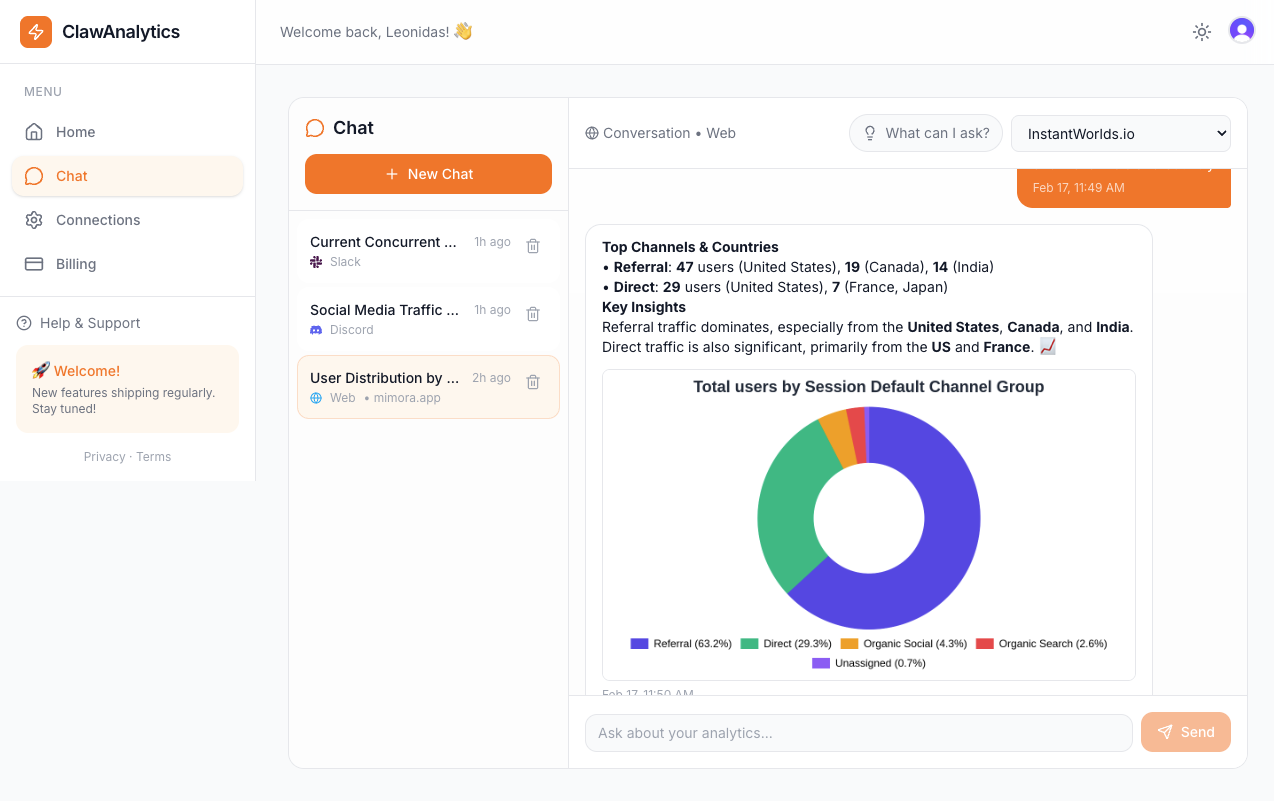
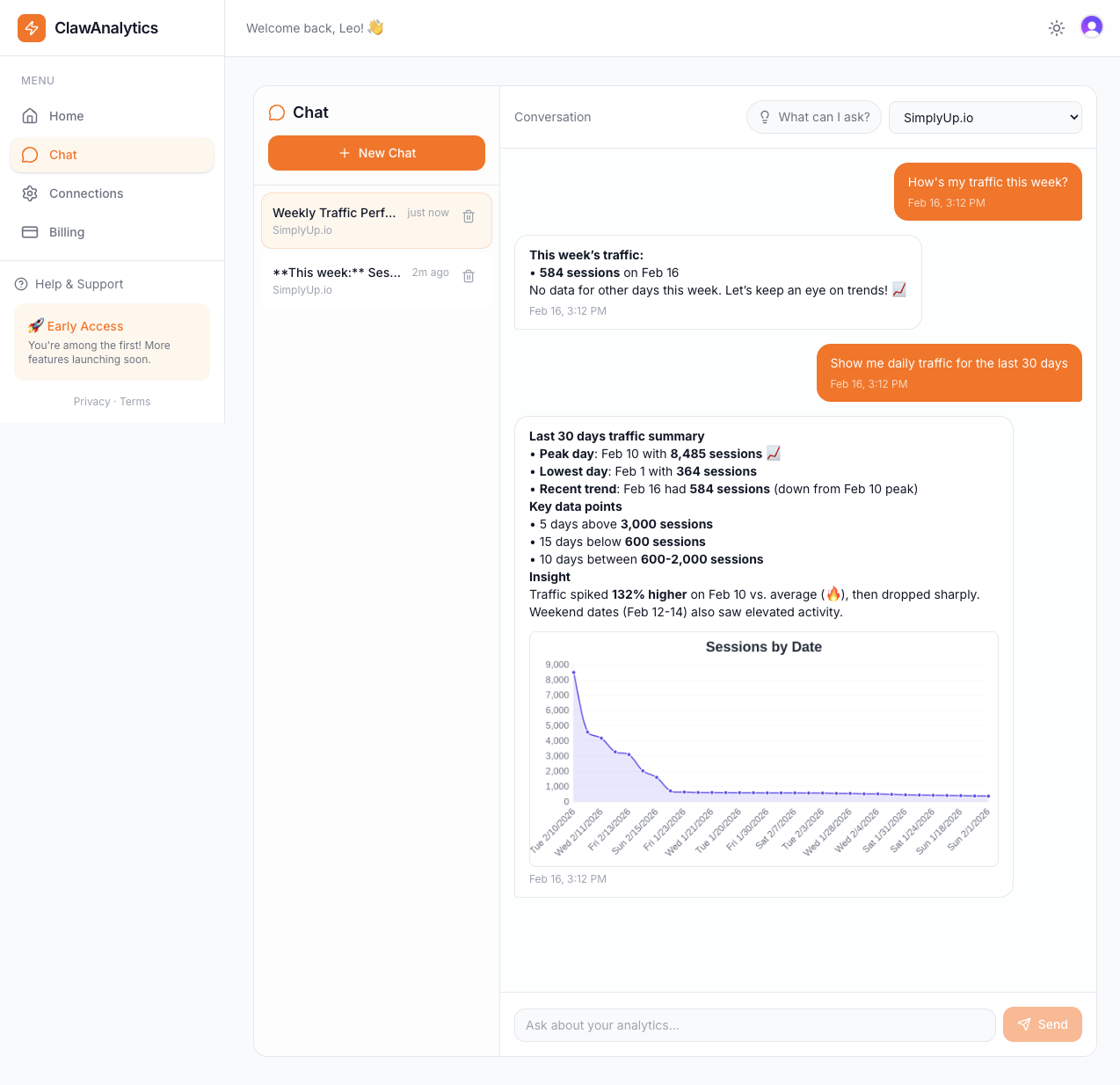
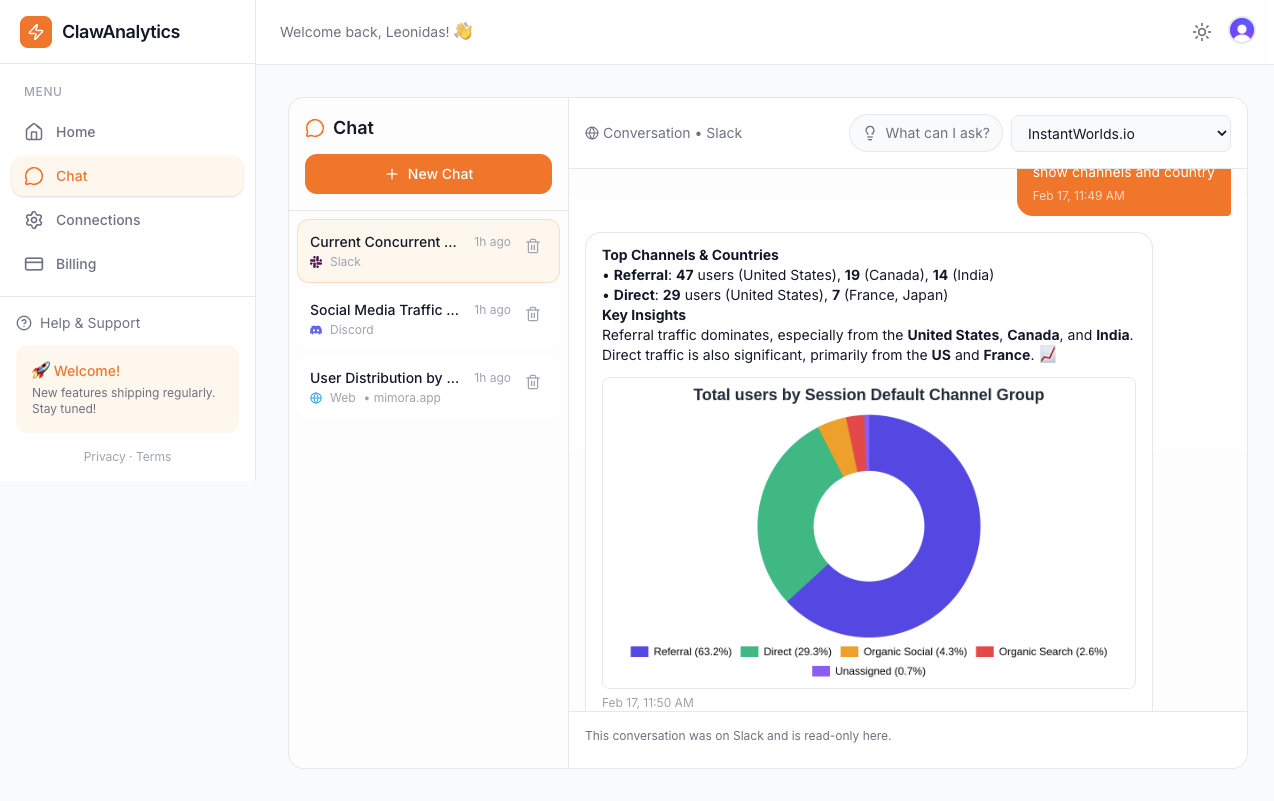
ClawAnalytics shows you which traffic sources bring visitors who actually request quotes versus those who just browse. This distinction separates wasting money from investing it wisely.
Create UTM parameters for every marketing channel. Tag your email newsletters, your partner links, your social posts, and your client referral requests separately.
Quick Wins
-
Create neighborhood-specific landing pages. “Auto insurance in [city]” pages capture local search intent and convert better than generic pages.
-
Add live chat during business hours. Insurance questions often arise outside 9-5. Have a system to capture after-hours inquiries.
-
Develop a “Insurance Guide” content hub. Create pages explaining coverage types in plain language. This captures search traffic and builds trust.
-
Implement retargeting for visitors who viewed quote pages but did not submit. Show them testimonials and trust signals to bring them back.
-
Ask every new client how they found you. Compare this to your analytics. There will always be gaps between reported and tracked sources.