Opening: Your teachers are Berklee graduates, your facilities have professional-grade instruments, and students actually perform at local venues. Yet your website traffic evaporates into nothing. Without tracking where students come from, you’re essentially hoping for the best instead of building a reliable enrollment pipeline.
Why Conversion Rate Matters for Music Schools
Your conversion rate shows how many website visitors become leads and enrolled students. For a music school with per-student overhead, every lost visitor costs you significant lifetime revenue.
- The math: 2,000 monthly visitors at 3% conversion yields 60 leads. Convert 25% to students at $200 monthly and you’re adding $3,000 in monthly revenue from web traffic alone.
- Long-term relationships — Music students often study for years. Understanding which sources bring students who stay longest helps you invest in quality leads.
- Instrument demand — Knowing which instruments attract the most interest helps you hire teachers and schedule classes accordingly.
What Causes Music Schools Issues with Conversion Rate
No clear starting point — Visitors land on your homepage and see twenty different instruments and programs. They don’t know where to begin and leave.
Hidden pricing — Music education is a significant investment. Not showing prices upfront creates friction and attracts only price-shoppers.
Complicated enrollment process — If signing up requires multiple steps, phone calls, or scheduling constraints, busy parents will choose an easier option.
No sound samples — Parents want to hear what their child could sound like after lessons. Without audio or video samples, you’re asking for blind trust.
Weak social proof — Student performances, competition wins, and testimonials prove your teaching works. Without them, you’re just another music school.
How to Track It
GA4 combined with your scheduling and CRM systems gives complete visibility:
- Track instrument-specific pages — Piano, guitar, violin, and voice pages have their own conversion should each tracking.
- Set up trial lesson conversions — The most valuable lead is someone who’s taken a trial lesson. Track these specifically.
- Use UTM tracking for all marketing — Every Facebook post about a student performance, local ad for summer camps, and referral from a school should have its own tracking.
- Connect your scheduling software — See which web visitors actually book lessons and trace their source backward.
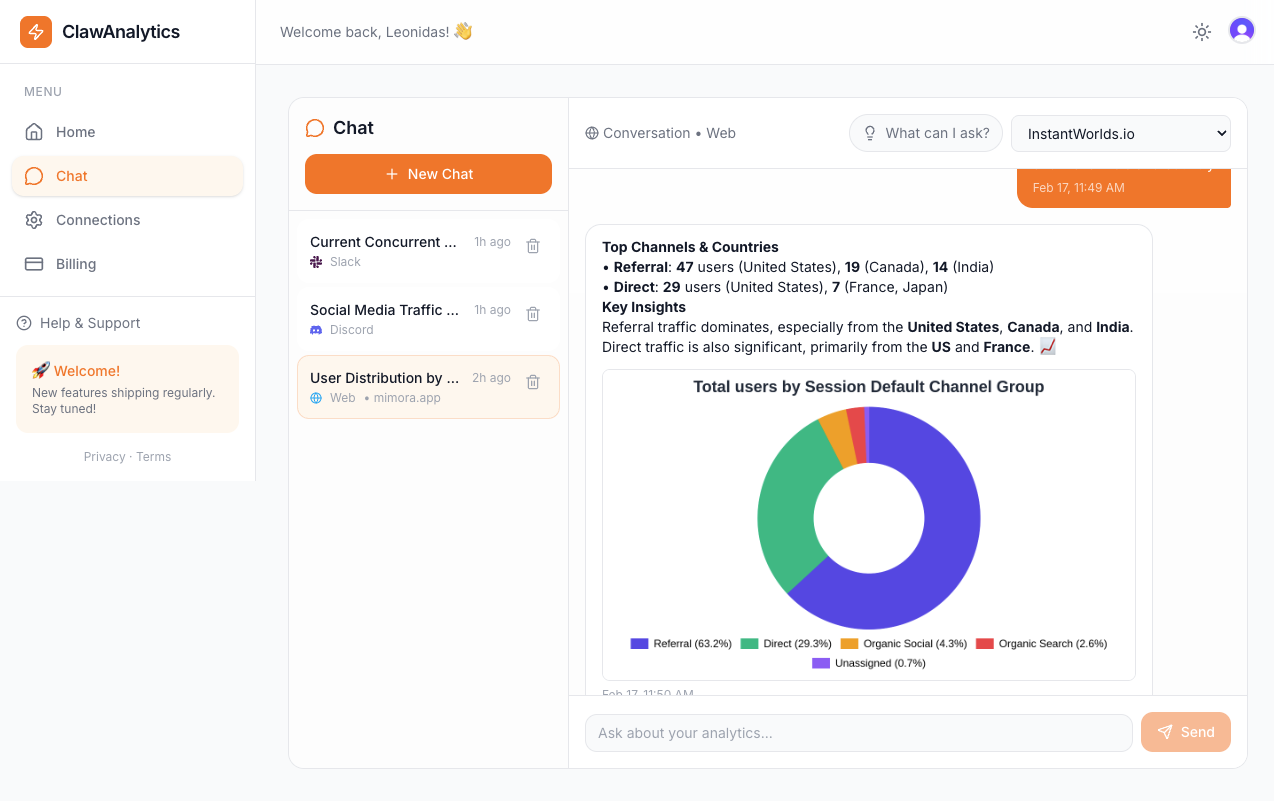
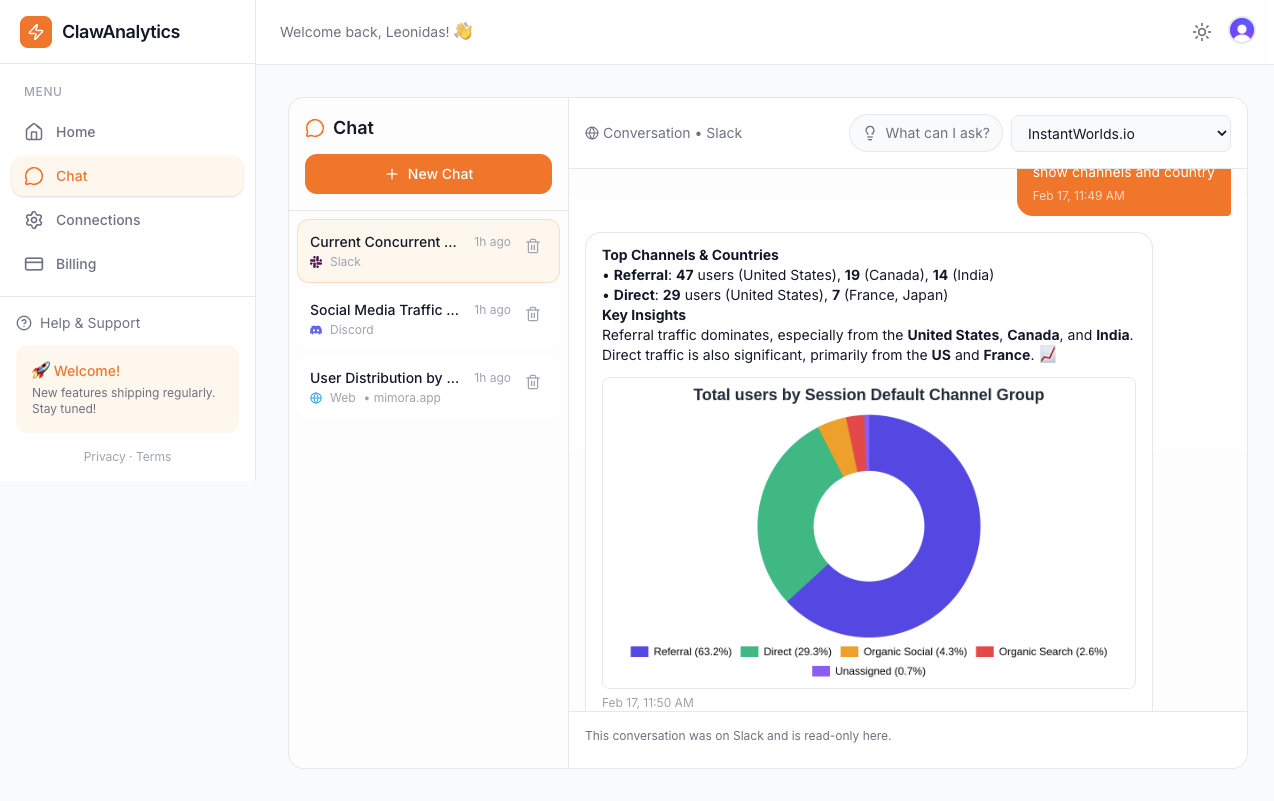
ClawAnalytics can show you: “Are parents finding us through ‘piano lessons near me’ searches, or through social media content featuring student performances?”
Example question you could answer: “Which brings more enrolled students: my ‘guitar lessons’ page or my ‘beginner piano for kids’ landing page?”
Quick Wins
- Create a simple “Start Here” landing page — Guide visitors based on their situation: adult learner, parent looking for kids, or someone returning to music.
- Show pricing for common programs — Display packages for popular lesson types. Transparency builds trust and reduces price-shopping.
- Add student performance videos — Nothing sells lessons like hearing a student progress from beginner to performer.
- Offer online scheduling — Let prospective students book a trial lesson without phone tag. Speed to booking directly impacts conversion rates.