Architects face a unique challenge. Your work is visual. Potential clients need to see your designs before they’ll ever consider hiring you. But showing your portfolio isn’t enough. You need to understand how visitors move from admiring your work to actually reaching out about a project.
Why User Flow Matters for Architects
Portfolio is the gateway, not the goal. Visitors who only browse projects never become clients. User flow shows how many portfolio viewers continue to the contact page.
Project types attract different clients. A residential portfolio might bring homeowners while commercial work attracts developers. User flow reveals which project types convert.
Mobile clients research on the go. Many potential clients first view your work on phones. User flow shows if mobile experience supports their journey.
Inquiry forms have friction. Architects often need detailed project information. But lengthy forms scare off early-stage prospects. User flow shows exactly where form abandonment happens.
How to Check in GA4
Set your main portfolio page as the starting point in GA4 User flow. Define “contact_form_submit” or “project_inquiry” as your goal event.
Filter by landing page to compare how different projects perform. Some designs attract more serious inquiries.
Add a secondary dimension for device category. Compare mobile visitor paths against desktop.
The Easier Way
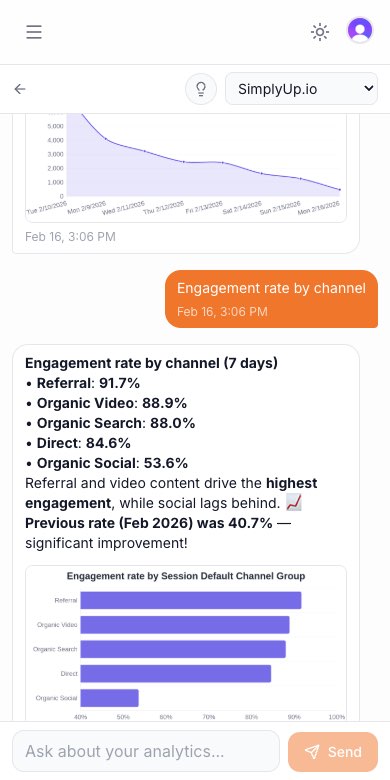
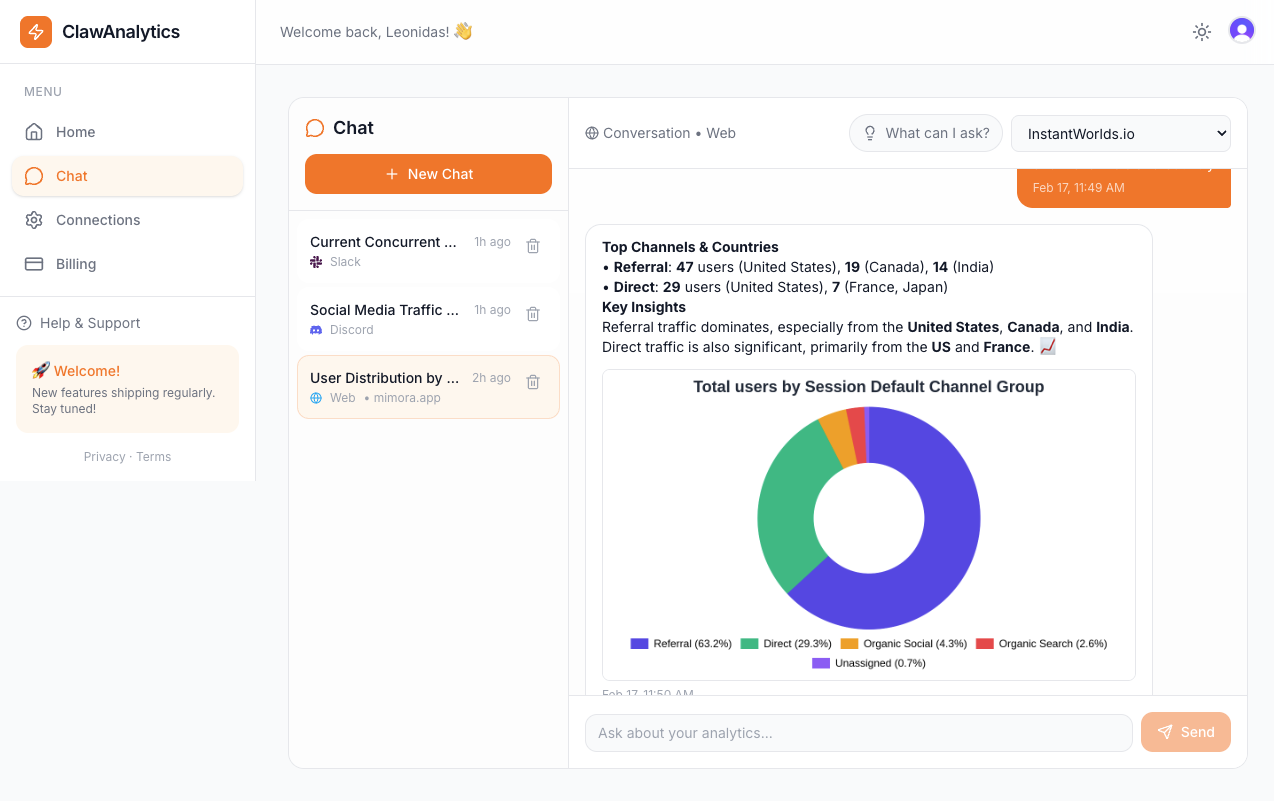
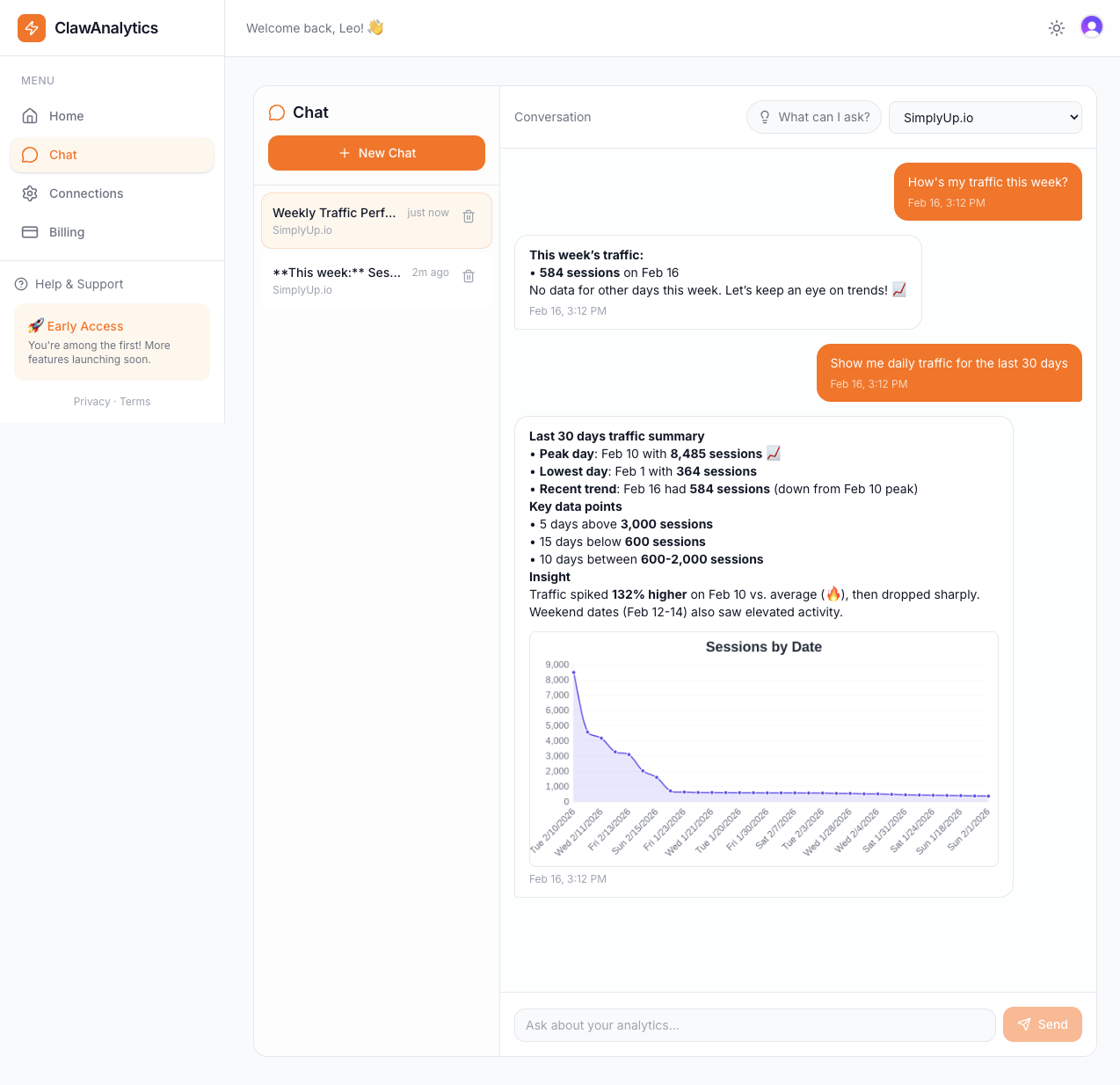
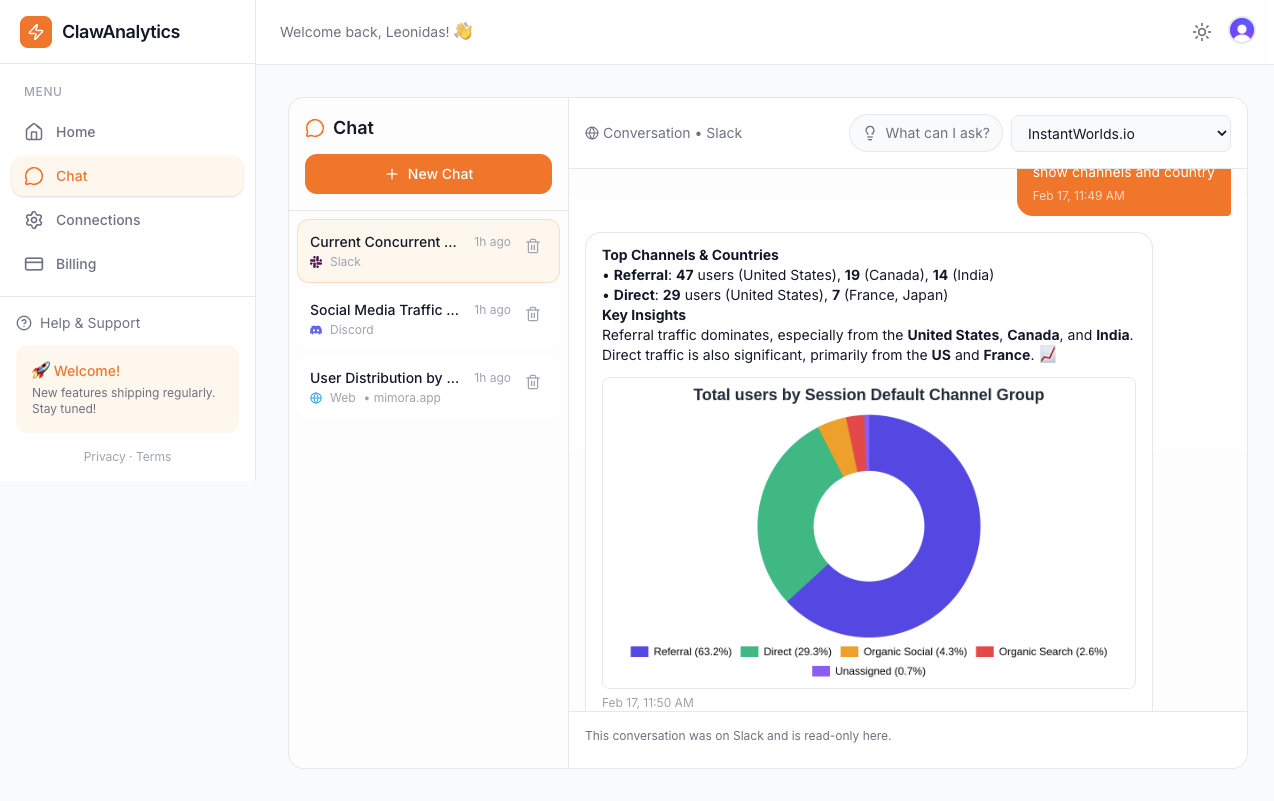
ClawAnalytics automatically pulls your GA4 user flow and delivers architect-specific insights. You’ll receive reports showing:
- “The modern residential portfolio section converts 28% better than commercial projects”
- “Visitors who view 4+ project pages request consultations at 3x the rate”
- “Mobile portfolio visitors drop off 52% at the project detail page - consider faster image loading”
These insights help you optimize the journey from inspiration to inquiry.
Quick Wins
Add “View Similar Projects” links on each project page. Keep visitors exploring your work.
Create a simple one-click inquiry button alongside detailed contact forms. Capture interest first, gather details later.
Show project completion timelines near portfolio images. Clients want to know if you can meet their deadlines.
Include location-based project tags. Local clients want to see work in their area.