How to Track User Flow for Bloggers
Your blog gets thousands of visitors but they leave after reading one post. You suspect some content should keep them around longer. User flow analysis shows exactly which articles lead to more reading and which ones cause immediate bounces.
Why User Flow Matters for Bloggers
Content performance insight. Not all posts are equal. User flow reveals which articles naturally lead readers to explore more of your site and which ones are dead ends.
Email list growth optimization. If you want to grow your newsletter, user flow shows which pages and calls-to-action actually convert visitors into subscribers.
Internal linking opportunities. Seeing the paths readers take helps you identify where strategic internal links could keep them engaged longer.
Traffic source understanding. Different sources bring different reader types. User flow from social media might differ from search traffic, informing your promotion strategy.
How to Check in GA4
Open GA4 and go to the User flow report under Engagement. Set your starting point to key blog posts or category pages. The visualization shows how readers flow through your content.
Segment your data by traffic source to compare flows from search, social, and direct visits. This reveals whether different audiences behave differently on your site.
Use the drill-down feature to follow specific paths like blog post to about page to contact form. This helps optimize the reader journey toward your goals.
The Easier Way
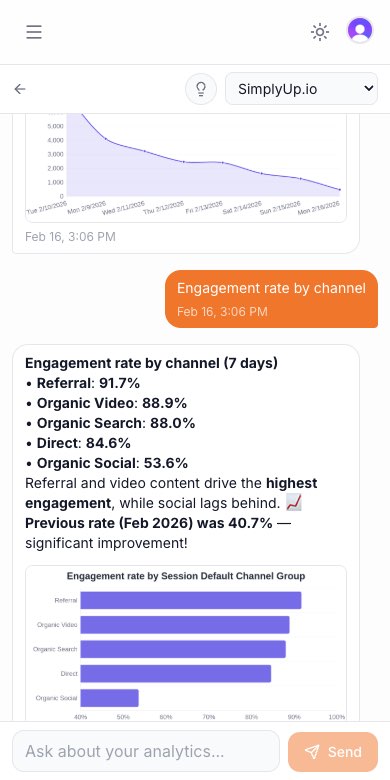
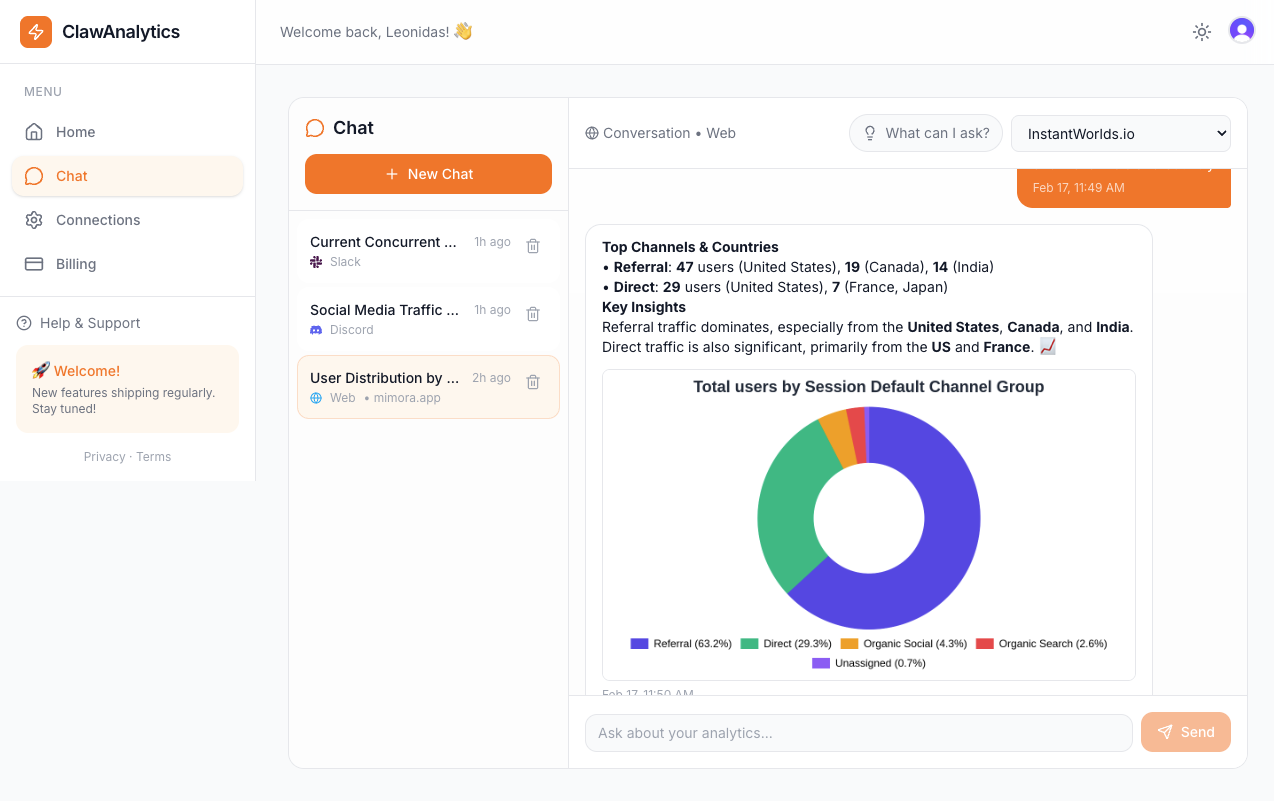
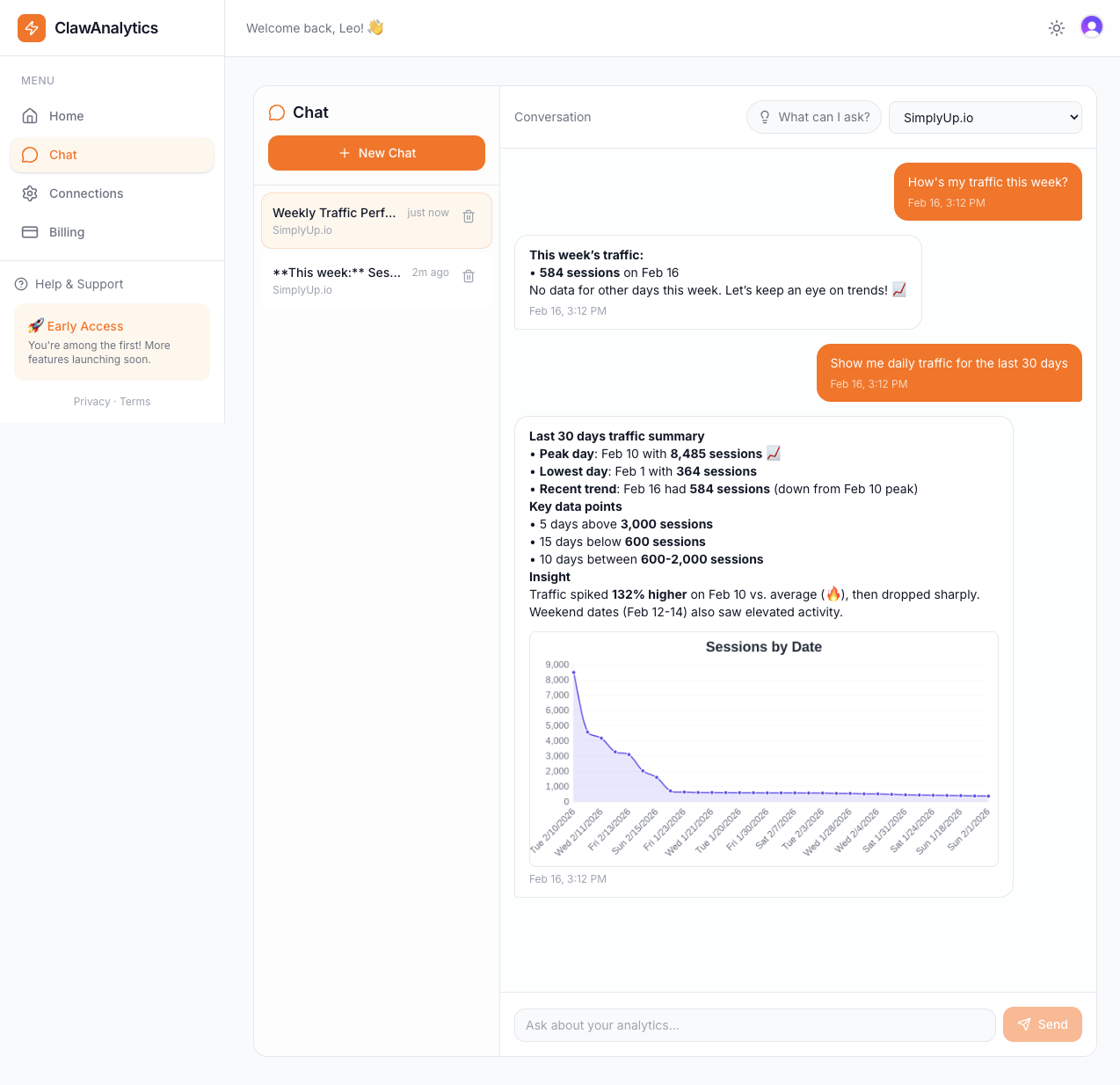
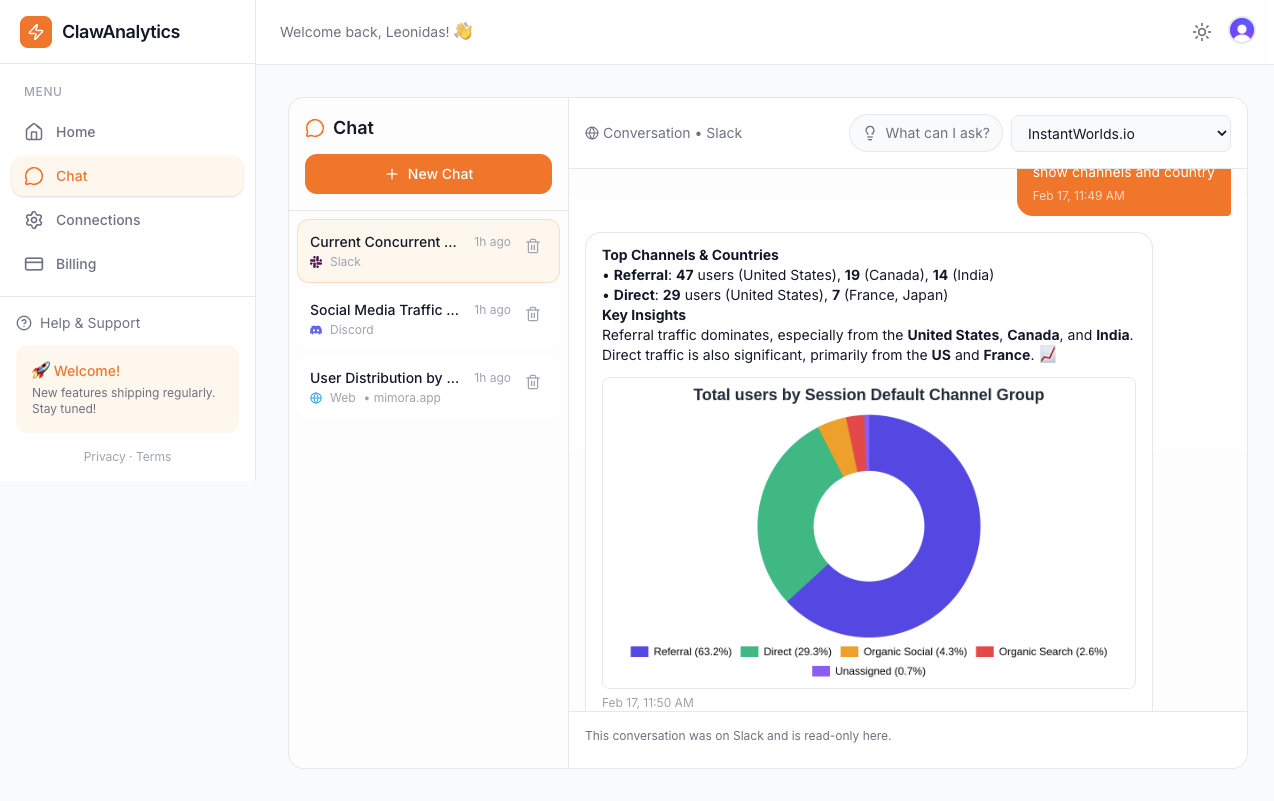
ClawAnalytics makes user flow simple for content creators. You receive:
- Clear reports on which posts keep readers on your site
- Insights into which CTAs actually drive subscriptions
- Understanding of how different traffic sources behave
For example, you might discover that how-to posts keep readers on your site longer than listicles, or that readers who land on older posts rarely discover your newer content. These insights shape your content strategy.
Quick Wins
-
Add related posts widgets. Use flow data to see where readers naturally stop and add relevant internal links there.
-
Optimize email signup placements. Test CTAs on pages where user flow shows high engagement.
-
Update underperforming posts. Low-flow articles might need better introductions or internal links to newer content.
-
Create content clusters. Use flow data to group related posts that naturally guide readers through a topic.