How to Track User Flow for Dentists
A dental practice runs targeted ads and sees plenty of website traffic, yet appointment bookings stay frustratingly low. Visitors browse services, read about the team, but do not schedule. User flow analysis uncovers exactly where the patient journey loses momentum.
Why User Flow Matters for Dentists
Fear and trust are major factors. Many people feel anxious about dental visits. User flow shows whether your content builds enough confidence to overcome that anxiety or whether it contributes to abandonment.
Insurance clarity reduces friction. Patients want to know their coverage before committing. User flow reveals whether insurance information pages help or confuse visitors seeking affordability.
Team familiarity builds comfort. Meeting the dentist before the first appointment reduces anxiety. User flow shows whether dentist bio pages effectively humanize your practice.
Booking accessibility is critical. Emergency dental needs require immediate action. User flow reveals whether your booking process is fast enough for urgent cases.
How to Check in GA4
Open GA4 and navigate to Explore, then select User flow. Choose a starting event such as page_view on your homepage or appointment_request if you track booking starts.
The flow diagram visualizes the paths visitors take. Look for nodes where many users exit. Common drop-offs include treatment pricing pages, insurance verification sections, and new patient forms.
Segment by traffic source to understand which channels bring patients ready to book. Visitors from search may convert differently than those from social media or referrals.
The Easier Way
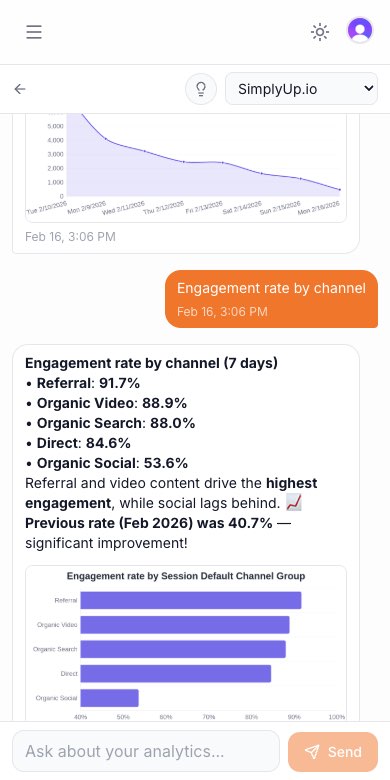
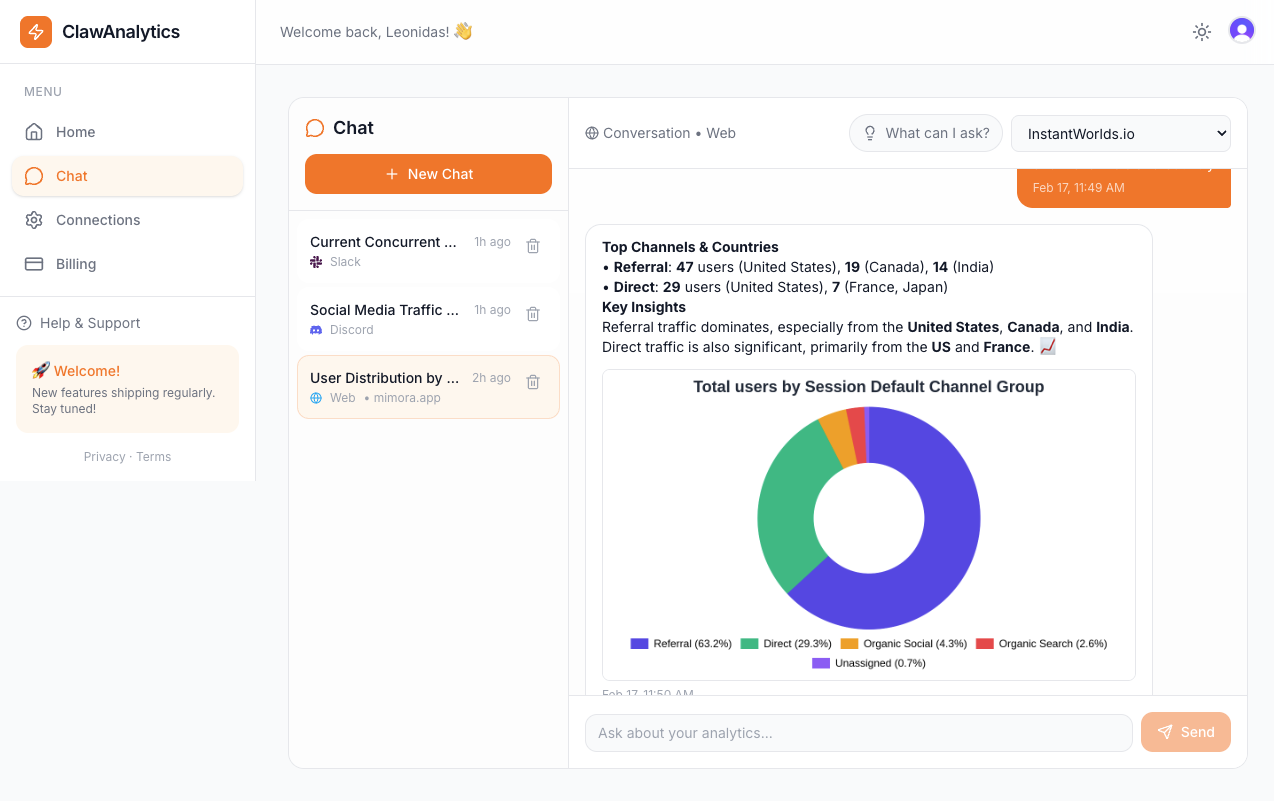
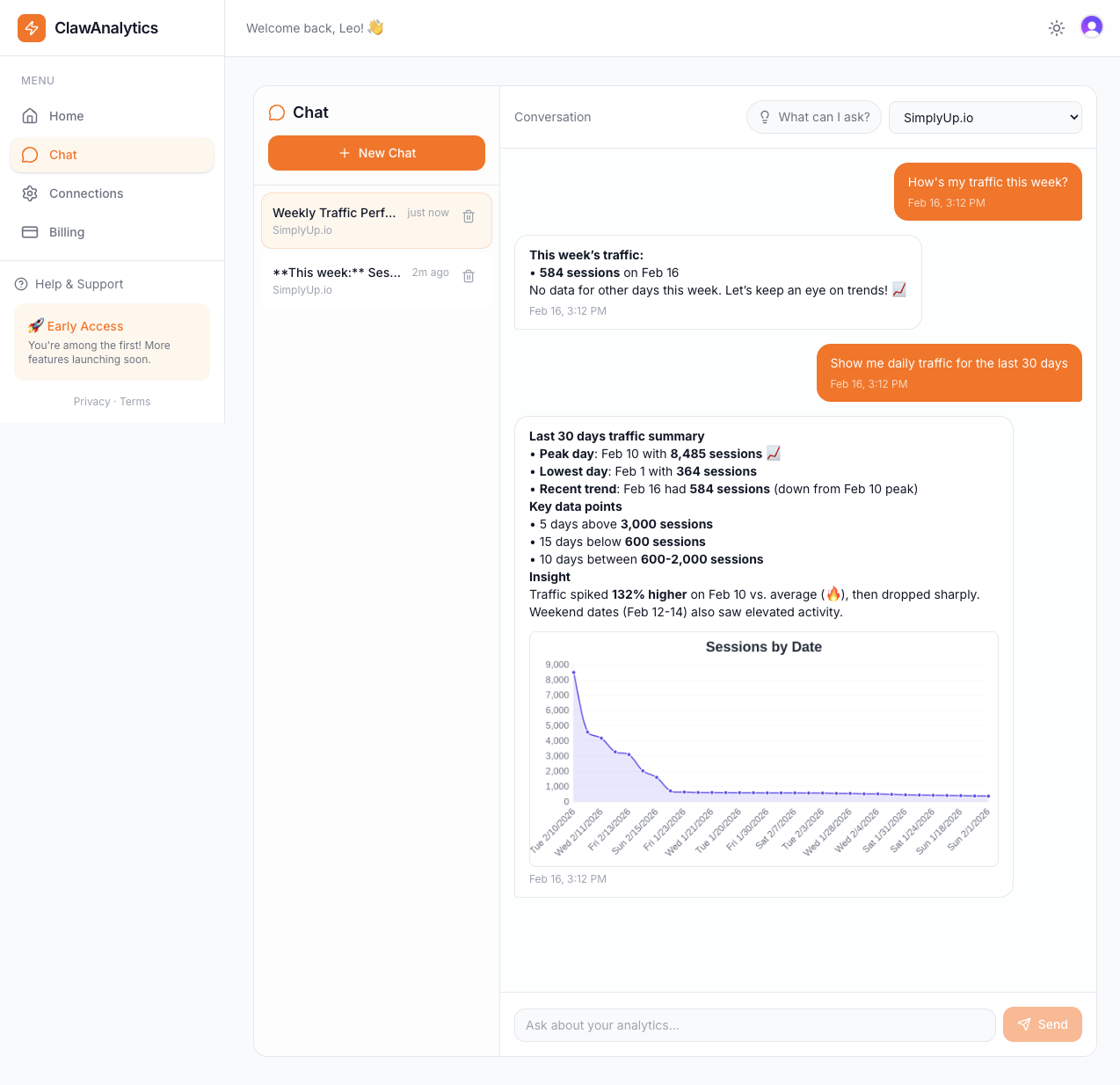
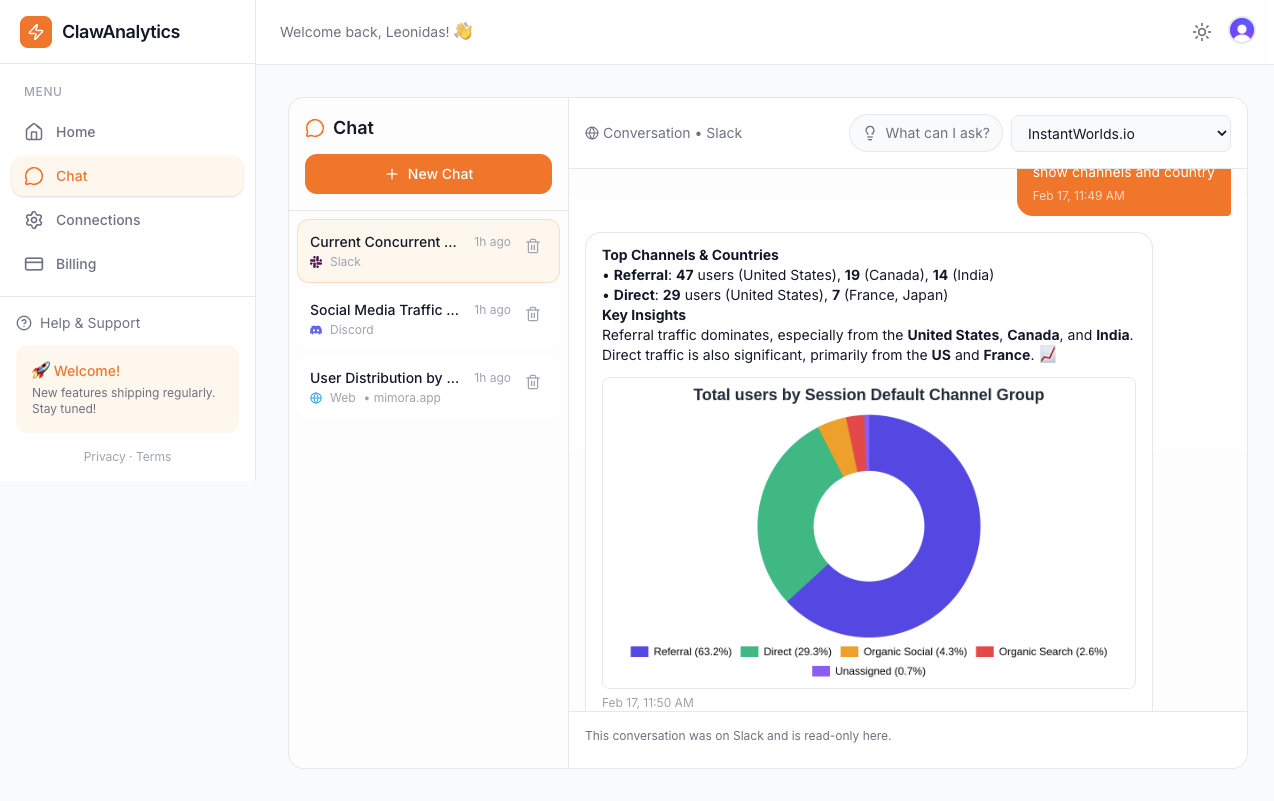
ClawAnalytics removes the complexity from dental user flow analysis. You can ask questions like: “Where do users go after viewing our orthodontic services?” and receive instant answers without building reports.
You might also ask: “What percentage of visitors who view dentist profiles book appointments?” This reveals whether team presentations convert interest into action.
Another useful question: “Which insurance pages have the highest drop-off?” If insurance information causes confusion, you can simplify or clarify coverage details.
ClawAnalytics also monitors for booking pattern changes. If appointment requests drop after a website update, you receive an alert immediately.
Quick Wins
Address anxiety directly. User flow may show visitors reading treatment pages but not proceeding. Adding patient testimonials and gentle messaging about comfort can ease concerns.
Make insurance information clear. Confusing coverage details cause abandonment. Present insurance accepted clearly on service pages, not hidden in separate sections.
Show your team first. Visitors often want to see who will treat them before booking. Featuring dentist photos and brief introductions on homepage builds immediate familiarity.
Simplify new patient forms. Long intake forms deter scheduling. Request only essential information initially and complete forms after the first appointment is confirmed.