How to Track User Flow for Fitness
Imagine you run a fitness studio and notice your class booking page gets plenty of visitors, but actual bookings are low. You are losing money every day this goes unnoticed. User flow tracking tells you exactly where potential clients disengage, so you can fix bottlenecks fast.
Why User Flow Matters for Fitness
Class discovery matters. Most clients first visit your site to see what classes you offer. If they cannot find the schedule easily, they leave. User flow shows whether visitors find your class calendar or bounce immediately.
Booking conversion paths vary. Some clients book on mobile after seeing an Instagram ad. Others prefer desktop after reading your blog. User flow reveals which devices and channels drive actual bookings, so you can allocate marketing budget wisely.
Trial class signups are critical. Many fitness businesses rely on free trials. User flow shows whether trial signups convert to paid memberships or drop off after the first session. This insight helps you improve the onboarding experience.
Retargeting becomes precise. When you know the exact pages where users drop off, you can create retargeting ads for those specific stages. Instead of broad branding campaigns, you reach people who almost converted.
How to Check in GA4
Open GA4 and navigate to Explore, then select User flow from the template gallery. Choose an event to start with, such as page_view on your homepage, or a custom event like trial_signup. GA4 will display a visual map showing where users go next.
Look for the thickest lines in the flow diagram. These represent the most common paths. Then identify nodes where the flow narrows significantly. These are your drop-off points. In fitness, common drop-offs include the pricing page, the booking calendar, and the account creation form.
You can add a segment to filter by traffic source. Create a segment for users who arrived from Instagram or Google Ads, then compare their flow against organic visitors. This reveals which channels drive the most qualified traffic.
The Easier Way
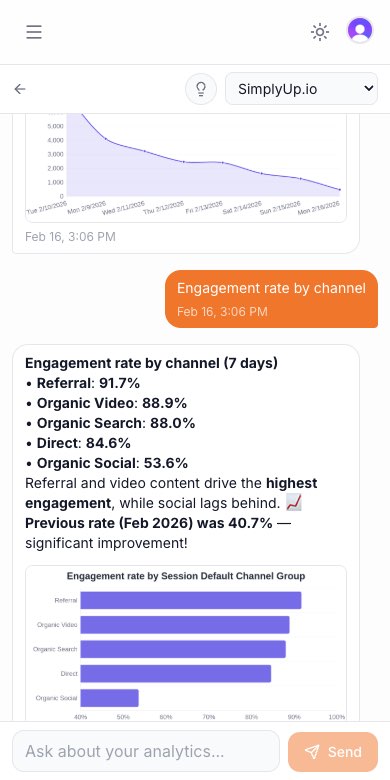
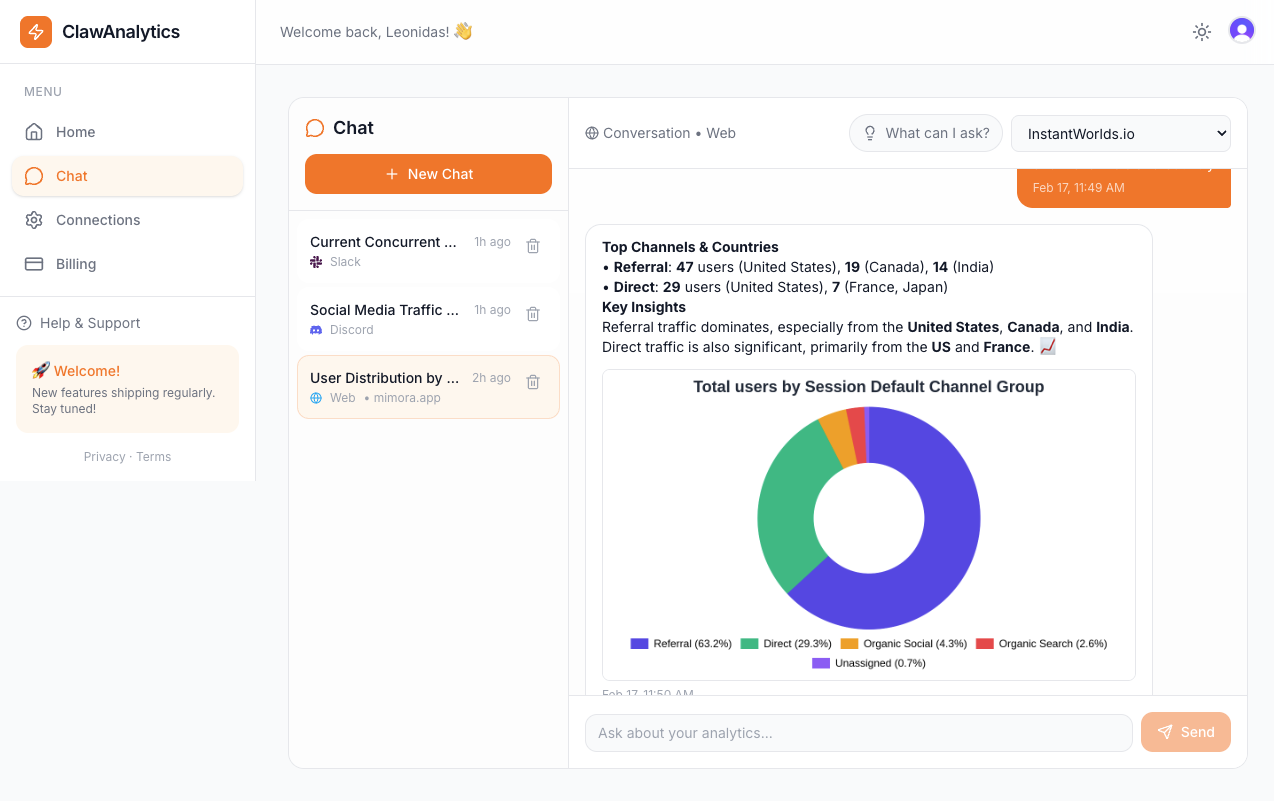
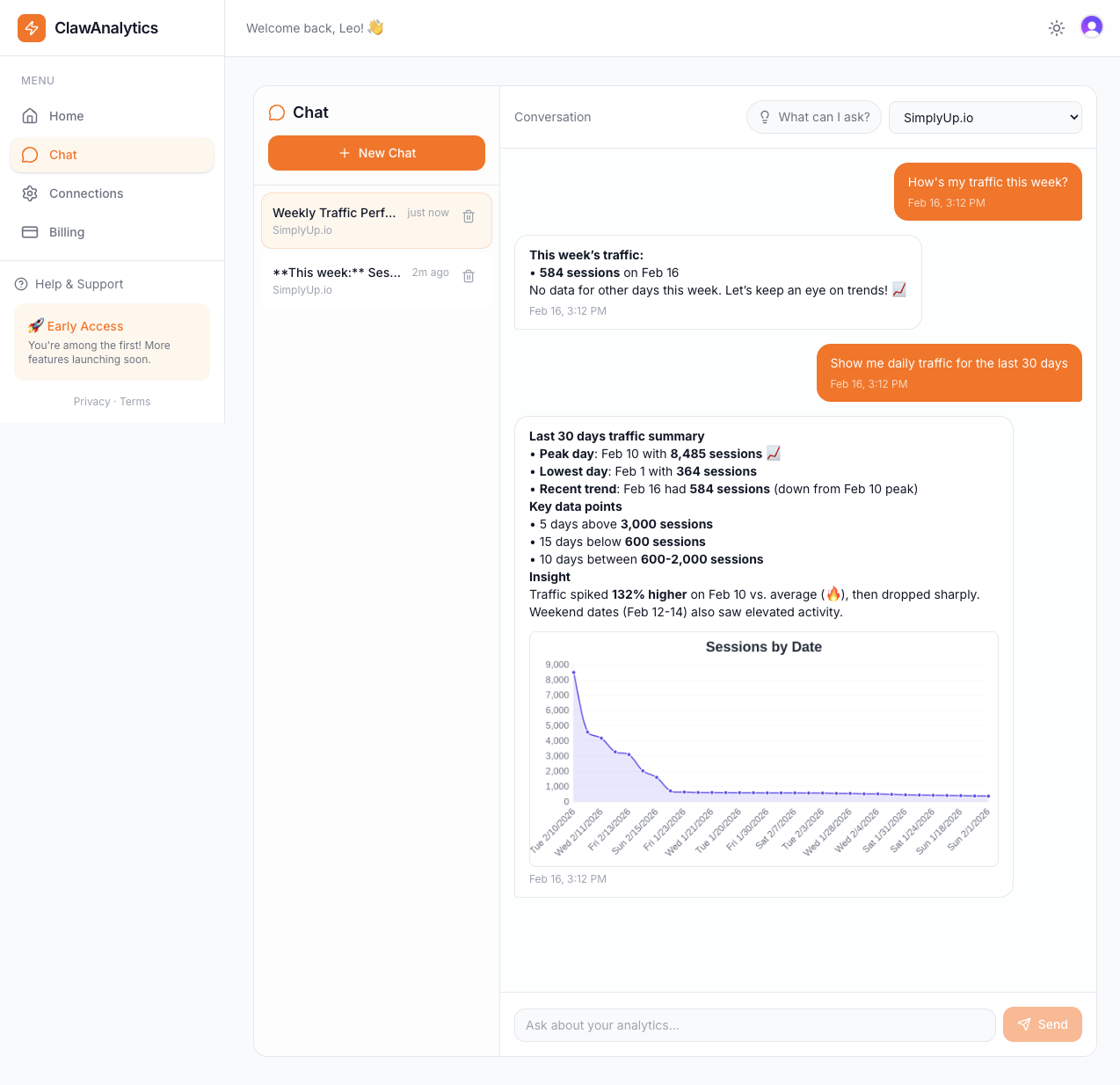
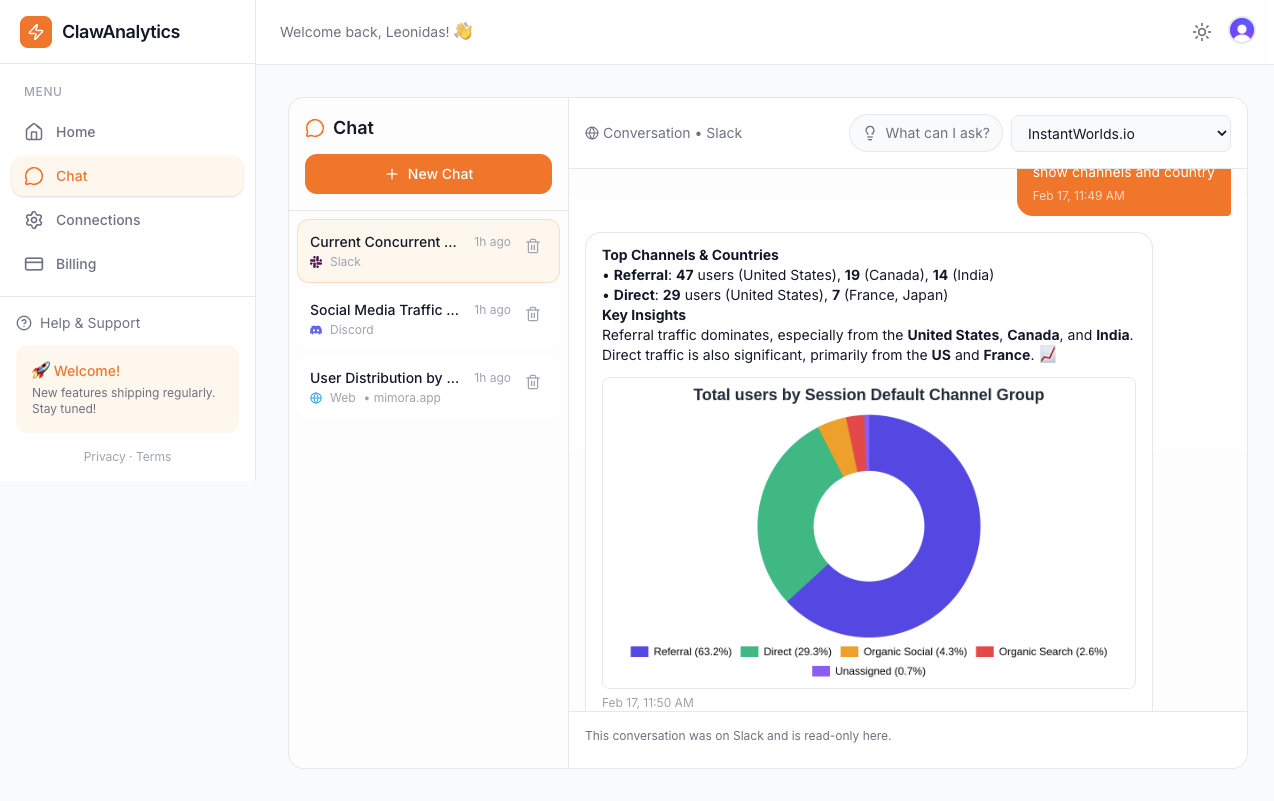
Rather than wrestling with GA4 reports, many fitness professionals use ClawAnalytics for automated insights. ClawAnalytics connects directly to your GA4 data and flags issues automatically.
For example, you might ask: “Which page causes the most drop-offs for mobile users?” ClawAnalytics answers in seconds. You could also ask: “Are users who visit the pricing page more likely to book a trial?” The tool provides clear yes or no answers with supporting data.
Another useful question: “What is the most common path from homepage to checkout?” This reveals whether users take the route you optimized or find alternative paths you never anticipated.
ClawAnalytics also sends alerts when user flow patterns change unexpectedly. If bookings suddenly drop off after a website update, you know immediately rather than discovering the problem weeks later.
Quick Wins
Audit mobile navigation first. Fitness clients often browse on phones before or after workouts. Ensure your class schedule loads fast on mobile and booking buttons are easy to tap.
Add clear pricing near popular classes. User flow often shows users bouncing between class pages and pricing without converting. Placing pricing directly on class listings reduces this friction.
Track the free trial path separately. Create a custom event for trial signup and compare its flow against general browsing. This shows exactly where trial seekers lose interest.
Test one change at a time. After identifying a drop-off point, modify that page and wait two weeks before checking user flow again. This isolates the impact of your changes.