How to Track User Flow for Pharmacies
Picture this: it’s a Monday morning and your pharmacy is packed. Customers are getting frustrated, prescriptions are piling up, and you’re losing people to the competitor down the street. Sound familiar? Understanding exactly how customers move through your pharmacy could be the game-changer you need.
Why User Flow Matters for Pharmacies
User flow tracking reveals the actual path customers take through your space. For pharmacies, this matters more than you might think.
Prescription drop-off bottlenecks. When customers arrive with prescriptions, they often get stuck waiting too long. Tracking user flow shows exactly how long each step takes and where delays happen. You might discover that the consultation area is understaffed during peak hours or that customers are wandering around looking for the pharmacy counter.
Impulse purchase opportunities. Pharmacies aren’t just about prescriptions. The average customer journey includes browsing health products, cosmetics, and snacks. User flow data shows which displays get attention and which areas customers skip entirely. This insight helps you optimize product placement to boost add-on sales.
Wait time reduction. Long waits drive customers away. User flow analytics helps you identify peak times and adjust staffing accordingly. When you know exactly when customers pile up, you can schedule more pharmacists during those windows.
Customer satisfaction scores. Happy customers come back. When you reduce friction in the customer journey, satisfaction goes up. User flow data gives you concrete evidence of where improvements are needed.
How to Check in GA4
Google Analytics 4 offers user flow reports that work well for pharmacies with an online presence.
- Set up GA4 property for your pharmacy website if you offer online prescription refills or product sales.
- Navigate to Explore section and select User Flow template.
- Identify starting points like prescription refill page, OTC product category, or blog content.
- Analyze drop-off points where users leave the journey.
- Compare time periods to spot trends in customer behavior.
For physical pharmacy locations, you’ll want to combine GA4 with foot traffic sensors or manual observation logs to get the full picture.
The Easier Way
Let’s be honest: setting up proper user flow tracking in GA4 takes time and expertise. Most pharmacy owners don’t have hours to spend configuring analytics dashboards.
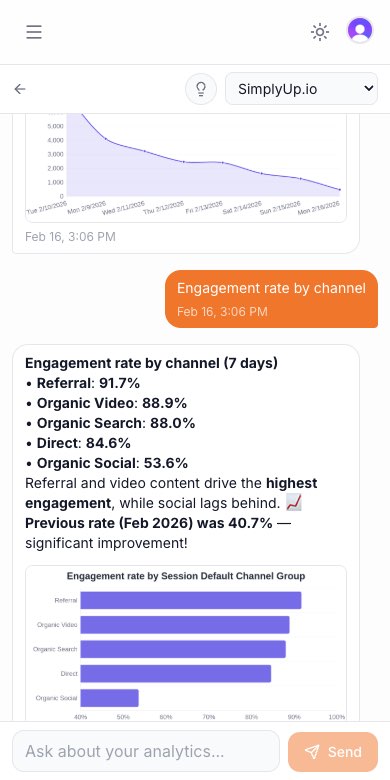
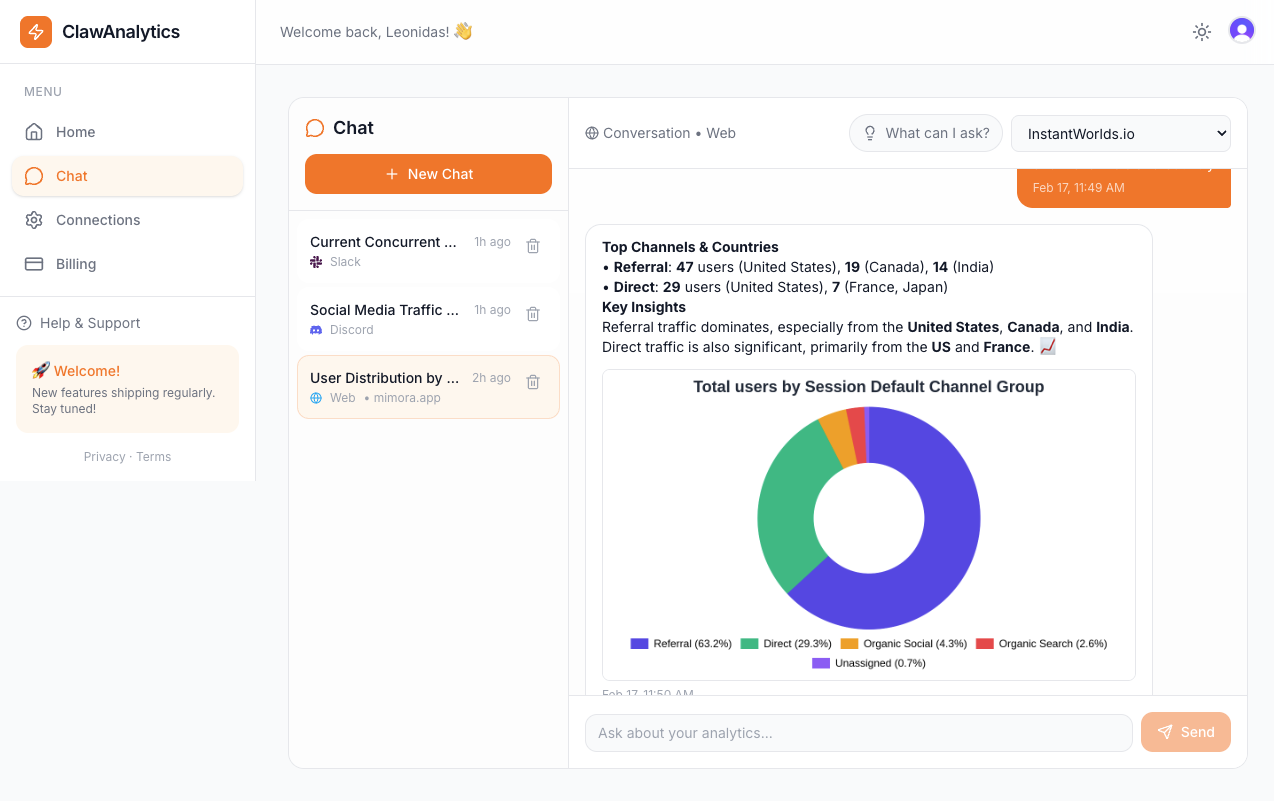
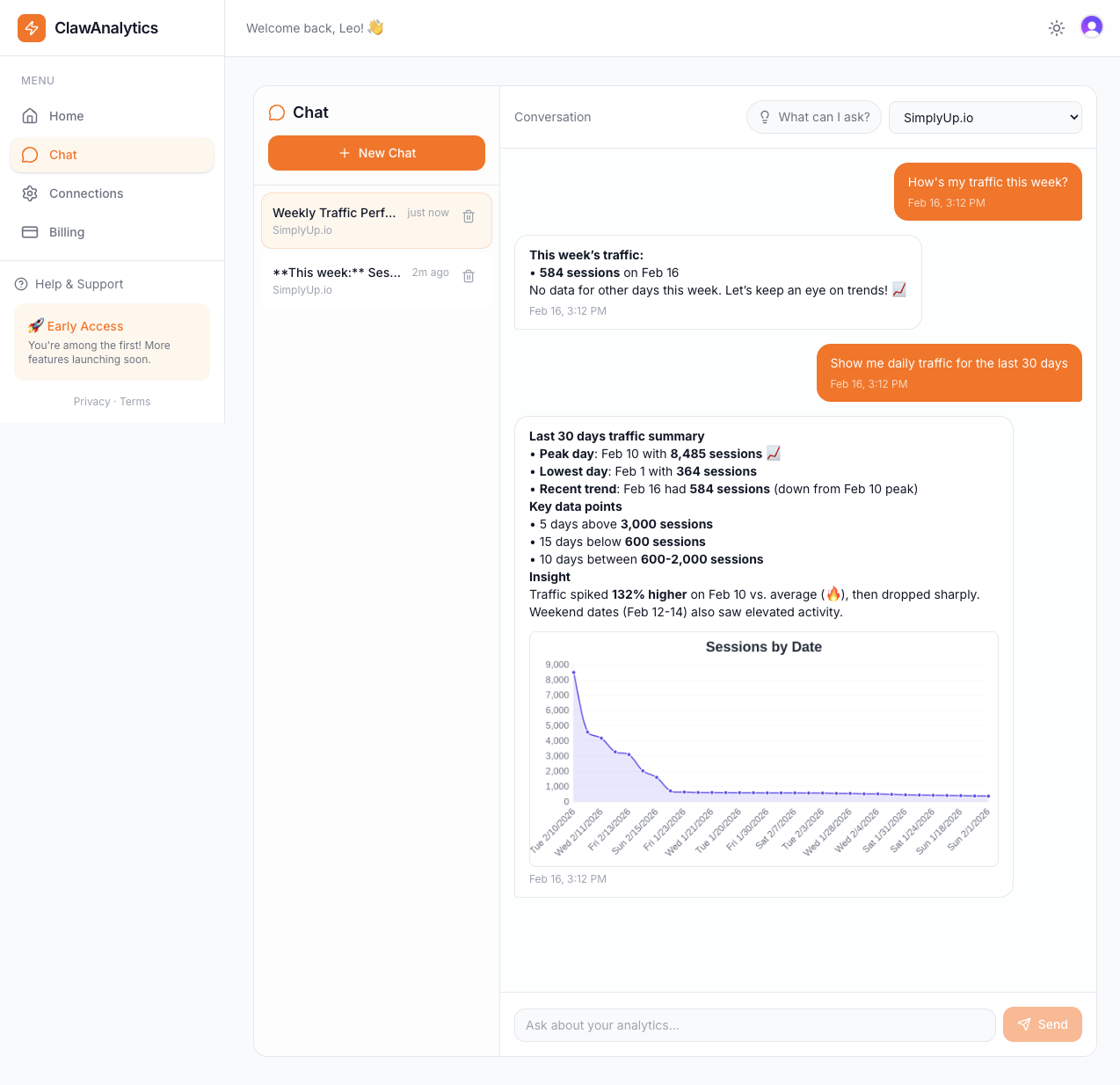
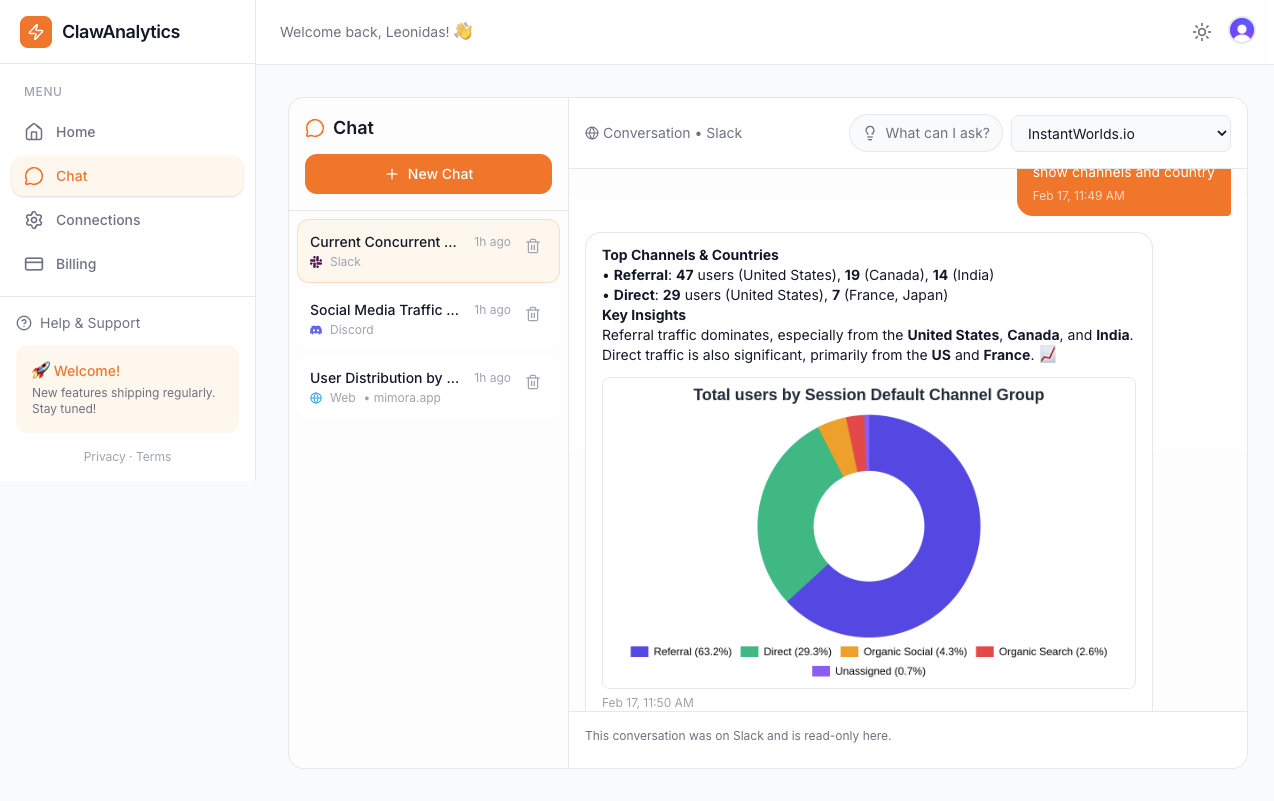
This is where ClawAnalytics comes in. Instead of wrestling with complex reports, you get a clean dashboard that shows customer journey patterns at a glance. Imagine seeing exactly which products customers browse before making a purchase, or understanding whether your consultation service is driving additional sales.
ClawAnalytics answers questions like: Are customers who use the blood pressure monitoring station more likely to purchase related products? Do loyalty program members have different shopping patterns? Which time of day brings the most walk-in traffic versus prescription drop-offs?
The platform automatically surfaces insights that would take hours to discover manually. You see the story in your data without needing to become an analytics expert.
Quick Wins
Here are practical steps you can take today based on user flow insights:
- Position high-margin items along the prescription pickup path. Customers waiting for prescriptions are a captive audience.
- Create clear signage directing customers to different services. Confusion creates friction.
- Schedule based on traffic patterns. Use historical flow data to staff appropriately.
- Test product placements and measure the impact on average basket size.
- Monitor seasonal changes. User flow shifts during flu season, holidays, and summer months.
Start tracking user flow this week and you’ll have actionable insights within days.