Daycares and preschools operate on annual cycles. Families enroll their children for the school year, and keeping them through summer and into the next year is critical. When families leave, you must find new families to fill spots, which is expensive and time-consuming. Retention tracking helps you keep families happy and enrolled.
Why User Retention Matters for Daycares
Daycare retention is about stability. Children thrive on routine, and changing daycares disrupts their development. Families also form relationships with teachers and administrators. When those relationships are strong, families stay.
Here is why retention deserves attention. First, filling empty spots costs money. Marketing and enrollment activities take staff time and often advertising budget. Second, long-term families become advocates. They refer other families and speak positively about your program in the community. Third, stable enrollment allows better planning. You can hire confidently and plan curriculum when you know how many children to expect.
How to Check in GA4
GA4 can track daycare enrollment retention with custom event setup. Tag enrollment renewals, waitlist additions, and drop-off attendance patterns. Also track website actions like tour requests and application submissions.
Use the Retention Overview report to see family return rates over time. Focus on the seasonal patterns. If families typically leave in May or August, you can prepare retention campaigns for those months. You can also compare retention across age groups or programs to identify where you excel and where you struggle.
The Easier Way
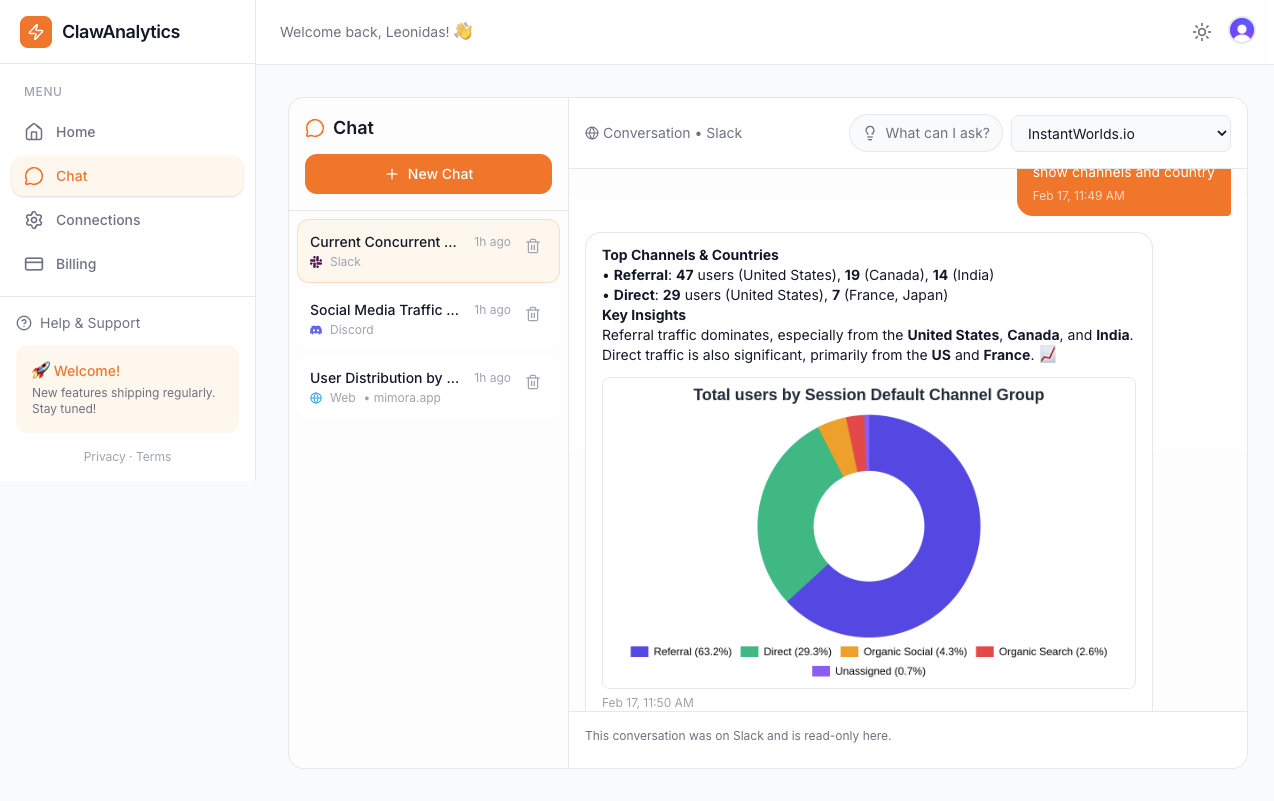
Daycare owners are busy running programs, not analyzing data. ClawAnalytics makes retention tracking straightforward.
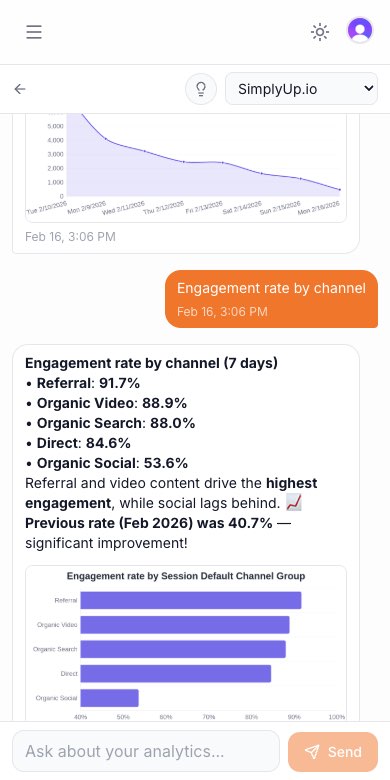
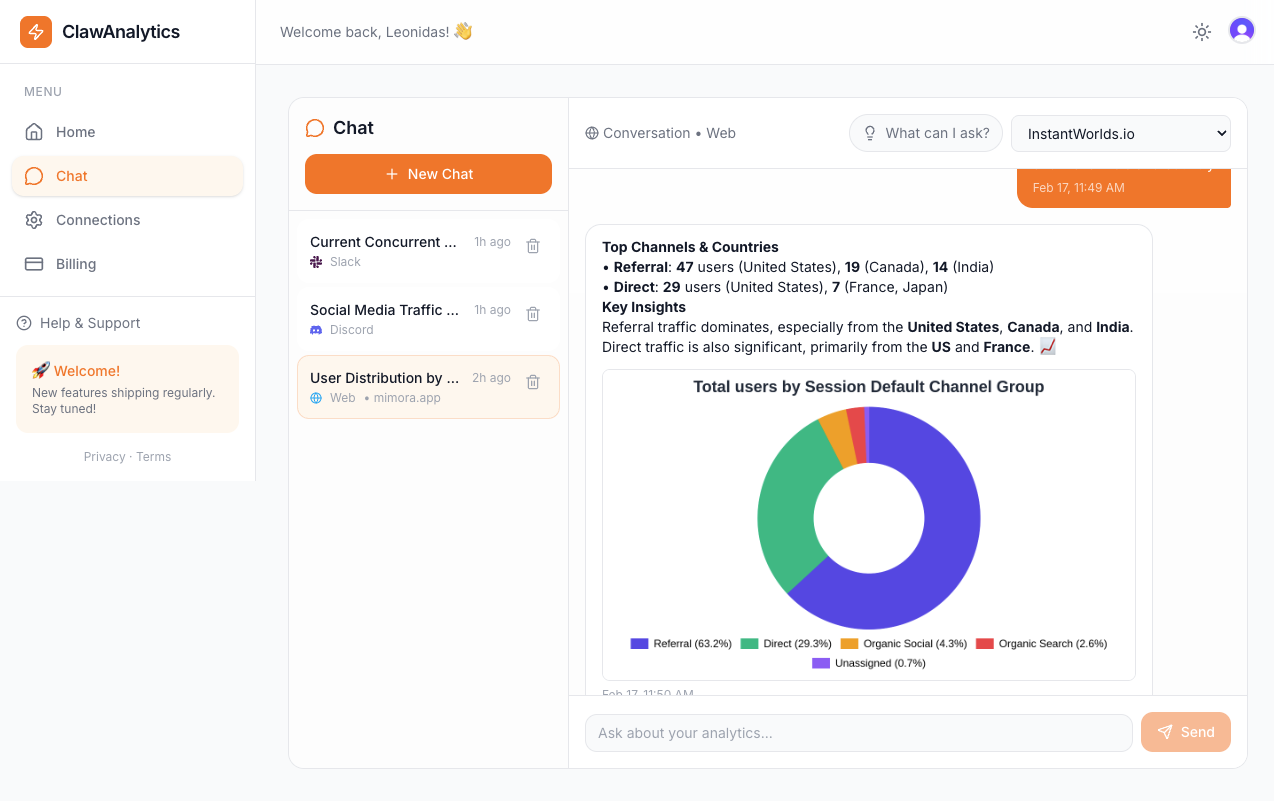
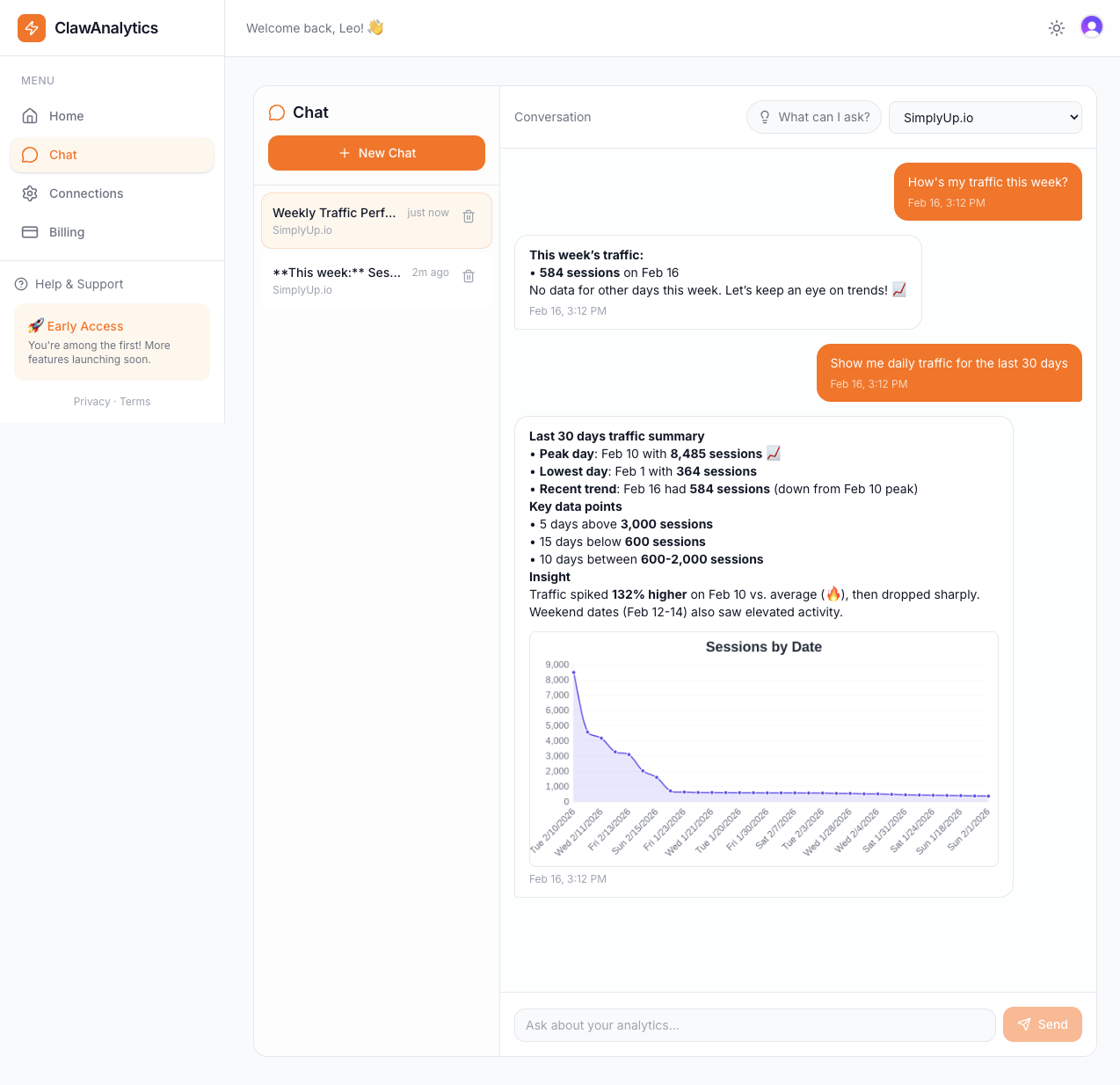
You could ask: “What percentage of families renew each year?” or “Which age group has the highest retention?” ClawAnalytics pulls enrollment data and presents clear trends. The platform also alerts you when enrollment drops below expected levels, allowing you to investigate quickly.
Quick Wins
Boost daycare retention with these practical steps. First, maintain consistent communication. Send regular updates about activities and milestones. Second, host family events. Potlucks, performances, and field days build community. Third, offer referral incentives. Families who refer others often stay longer themselves. Fourth, create a smooth transition process. When children age out of a program, make the next step clear and welcoming.