Furniture purchases are big decisions. A customer buying a sofa might spend more than $2,000 and take years to decide. Because these purchases are infrequent but high-value, furniture stores need to think differently about retention. Every customer who walks through your door could become a lifelong client or a one-time sale.
Why User Retention Matters for Furniture Stores
Furniture retail presents unique retention opportunities and challenges:
Furniture has a long replacement cycle. Most furniture lasts 5-10 years. This means each customer relationship is long-term but spaced out. Staying in touch matters.
Home events drive purchases. Customers buy furniture for new homes, marriages, babies, and other life changes. Tracking these events helps predict when they will need more furniture.
Accessories create more frequent touchpoints. While major furniture is infrequent, customers buy pillows, lamps, rugs, and decor more often. These smaller purchases keep relationships alive.
Referrals are powerful in furniture. When friends ask about furniture stores, loyal customers recommend brands they trust. A single referral can bring a customer worth thousands.
How to Check in GA4
Tracking furniture store retention requires patience and proper setup:
- Set up enhanced e-commerce in GA4 with order value tracking
- Create custom audiences based on purchase categories
- Track retention over 6-12 month periods, not weeks
- Monitor repeat purchase rate for different product categories
- Connect in-store sales data to online analytics
Since furniture purchases are infrequent, focus on tracking accessory and add-on sales between major purchases. This gives you more data points to work with.
The Easier Way
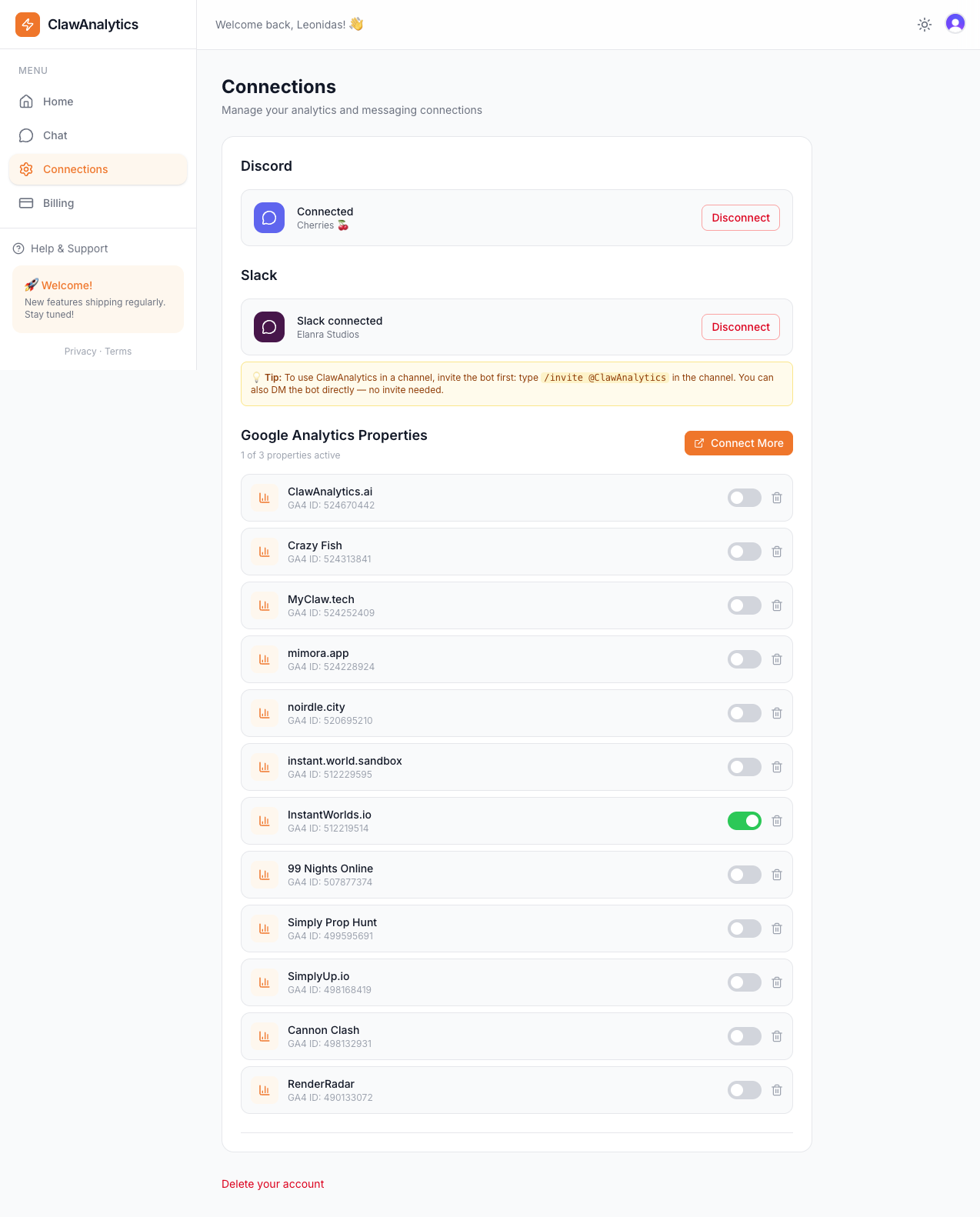
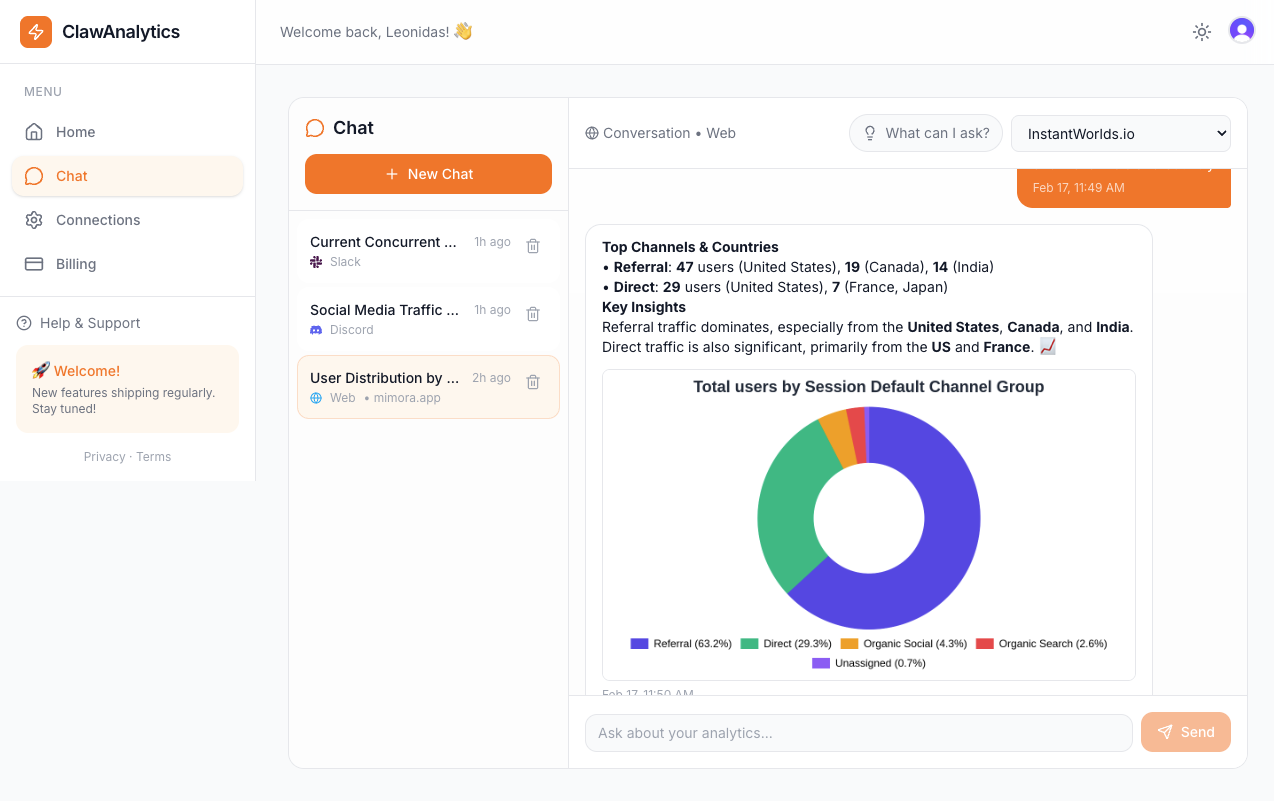
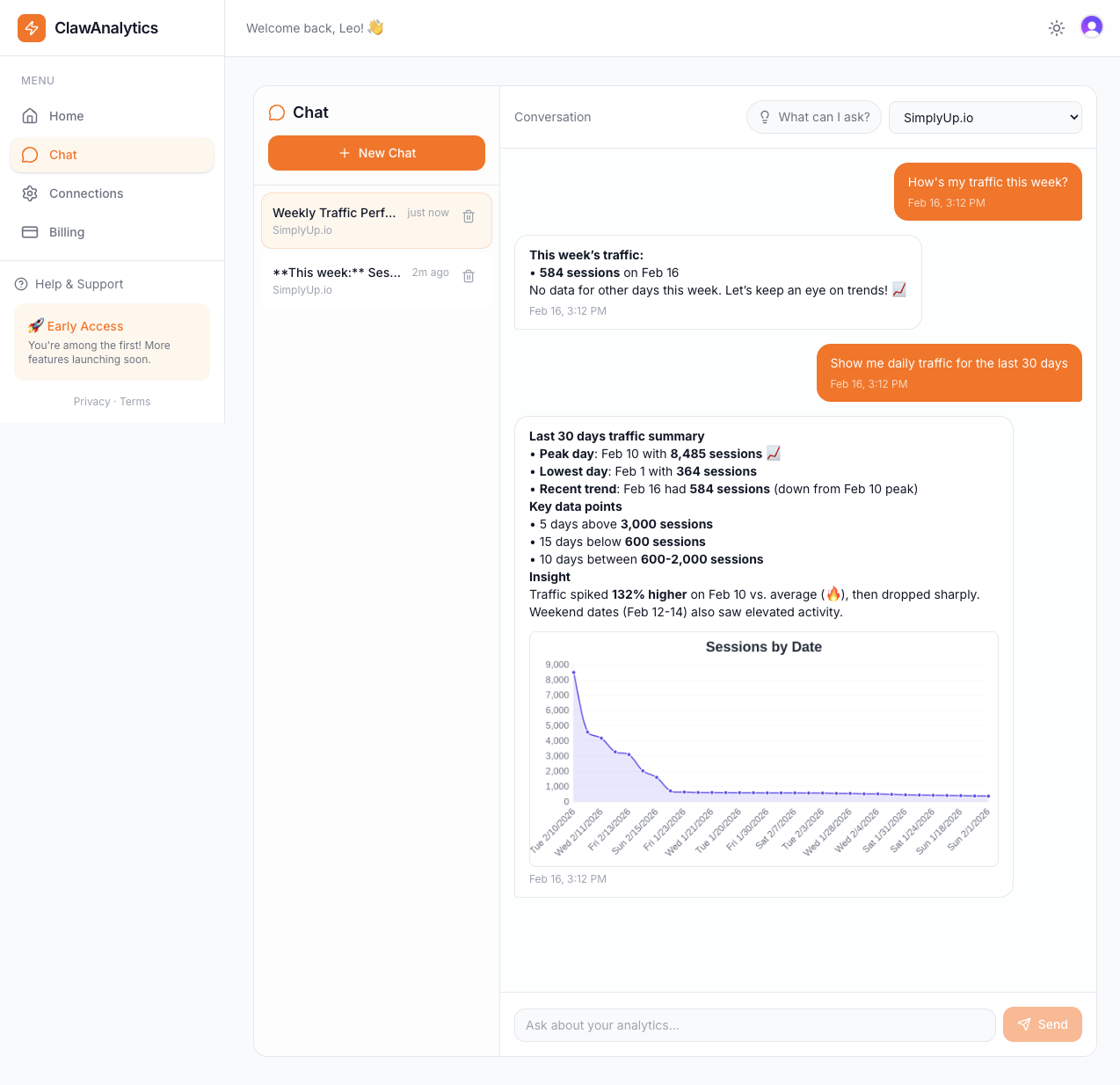
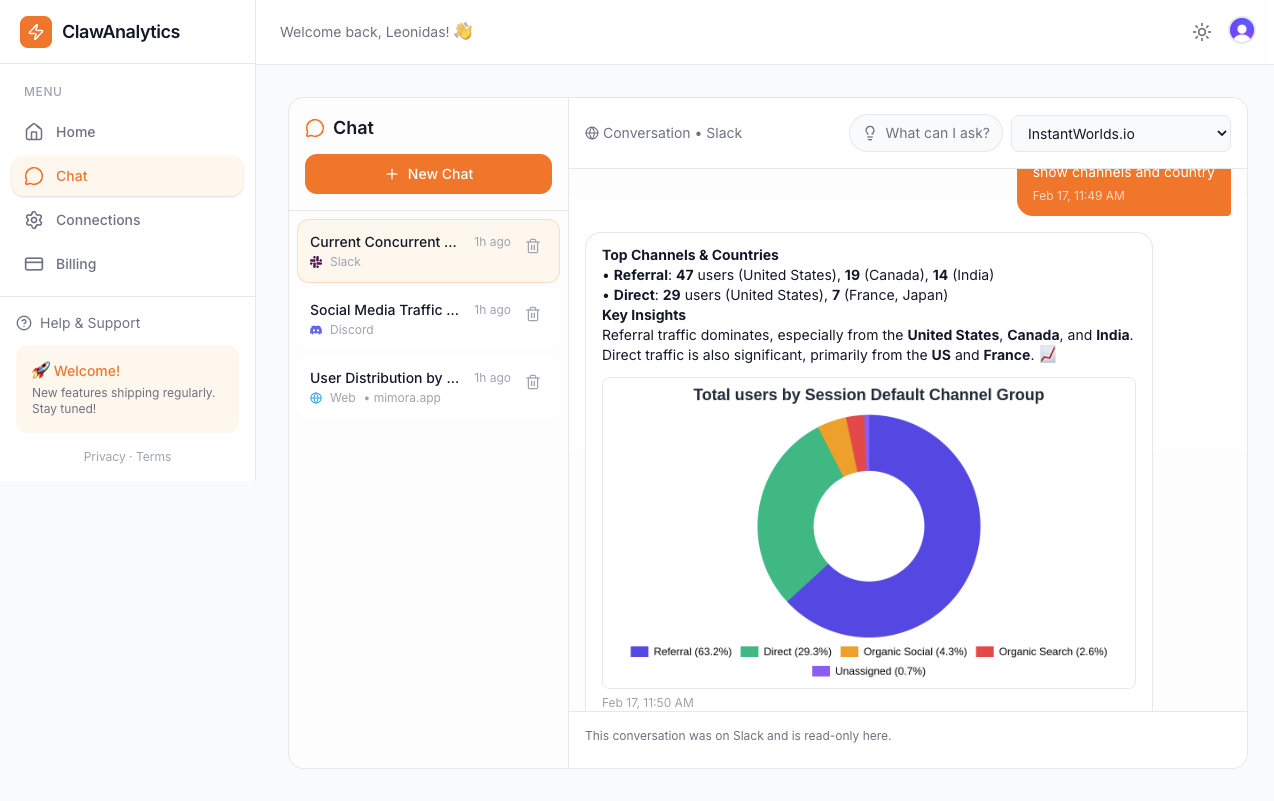
ClawAnalytics helps furniture stores make sense of long purchase cycles. Instead of waiting years to see if customers return, you get insights that help now.
A key question: which customers are most likely to need furniture soon? ClawAnalytics analyzes purchase history and external signals. A customer who bought a couch 6 years ago might be ready for a new one.
Another question: are my delivery and service experiences creating loyalty? ClawAnalytics shows whether customers who used premium delivery return more often than those who chose standard service.
Quick Wins
Build lasting customer relationships in furniture retail with these strategies:
Create a home registry. Like wedding registries, let customers register for furniture they need. Share this with friends and family.
Follow up after major deliveries. A satisfaction call a week after delivery shows you care and opens opportunities for accessories.
Host design events. Invite customers to see new collections and get room planning help. These events drive accessory sales.
Offer a referral program. Give discounts to customers who refer friends. In furniture, these referrals often convert at high rates.
Stay connected with content. Send emails with decorating tips, new arrivals, and seasonal promotions. Keep your store in mind between major purchases.