You launch a marketing campaign. You share links on social media, in emails, and across ads. How do you know which source brings visitors? UTM parameters answer this.
This guide covers everything about UTM parameters. You learn what they are, how to create them, and how to use the data.
Why UTM Parameters Matter
Every link you share should include UTM parameters. These tags tell Google Analytics exactly where each visitor came from. Without them, all your traffic looks the same.
UTM parameters help you:
- See which marketing channels bring traffic
- Compare campaign performance
- Understand which messages resonate
- Make smarter budget decisions
The data directly impacts how you spend marketing money.
Understanding UTM Parameters
UTM parameters are extra information added to the end of a URL. There are five types:
utm_source. Identifies the referrer. Examples: google, facebook, newsletter. This is required.
utm_medium. Identifies the marketing type. Examples: cpc, email, social. This is required.
utm_campaign. Names your specific campaign. Examples: spring_sale, product_launch.
utm_term. Identifies paid search keywords. Used with paid search campaigns.
utm_content. Differentiates similar content. Used with multiple links in the same campaign.
A complete UTM URL looks like:
https://yoursite.com?utm_source=facebook&utm_medium=social&utm_campaign=spring_saleCreating UTM Parameters
The easiest way is the Google Campaign URL Builder:
- Go to the Google Campaign URL Builder
- Enter your website URL
- Fill in source, medium, and campaign
- Add term and content if relevant
- Copy the generated URL
Use this URL in your marketing materials. Social posts. Email links. Ad destinations. Anywhere you share a link.
Be consistent with naming. Decide on conventions and stick to them. This keeps your data clean and useful.
Analyzing UTM Data
Once UTM parameters are in place, find the data in Google Analytics:
Acquisition reports. Open Acquisition, then Traffic Acquisition. Look for Source, Medium, and Campaign as dimensions. Add your key metrics to see performance.
Campaign comparison. Use the comparison feature to compare campaigns side by side. See which drives the most users and conversions.
Channel grouping. Your UTM data rolls up into channel groupings. Social. Email. Paid. This gives you both detailed and summary views.
The Easier Way
Creating UTM parameters is straightforward. Analyzing the data is where it gets complex. The GA4 interface shows UTM data across multiple reports. Finding the right numbers takes navigation.
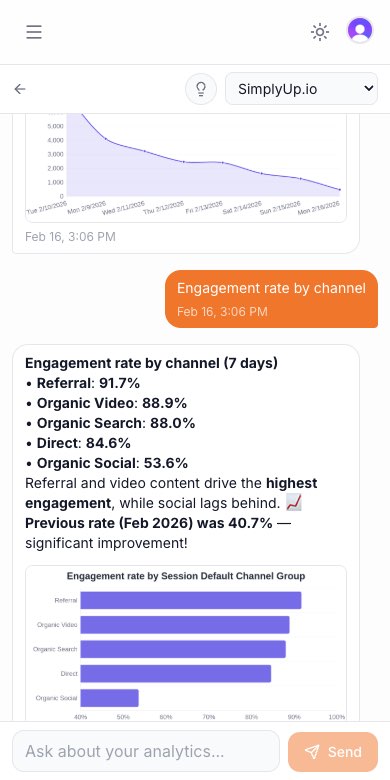
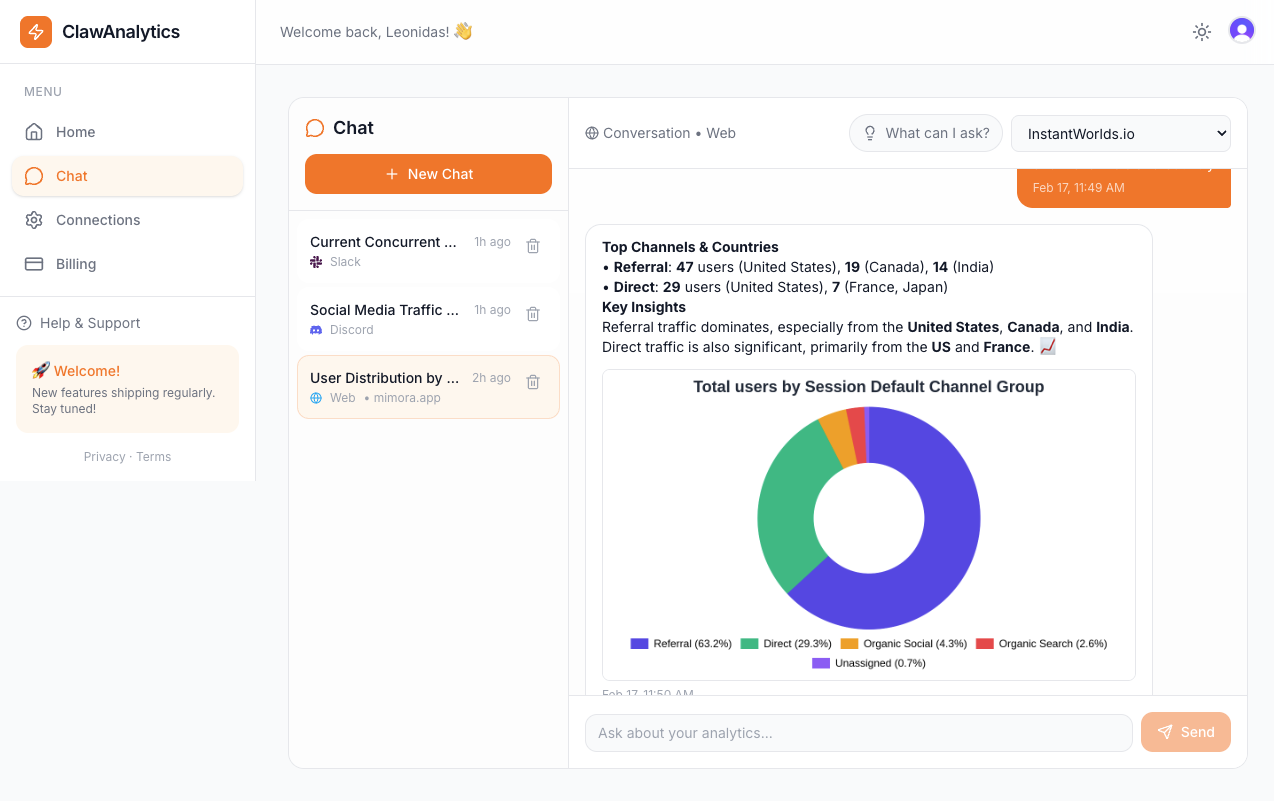
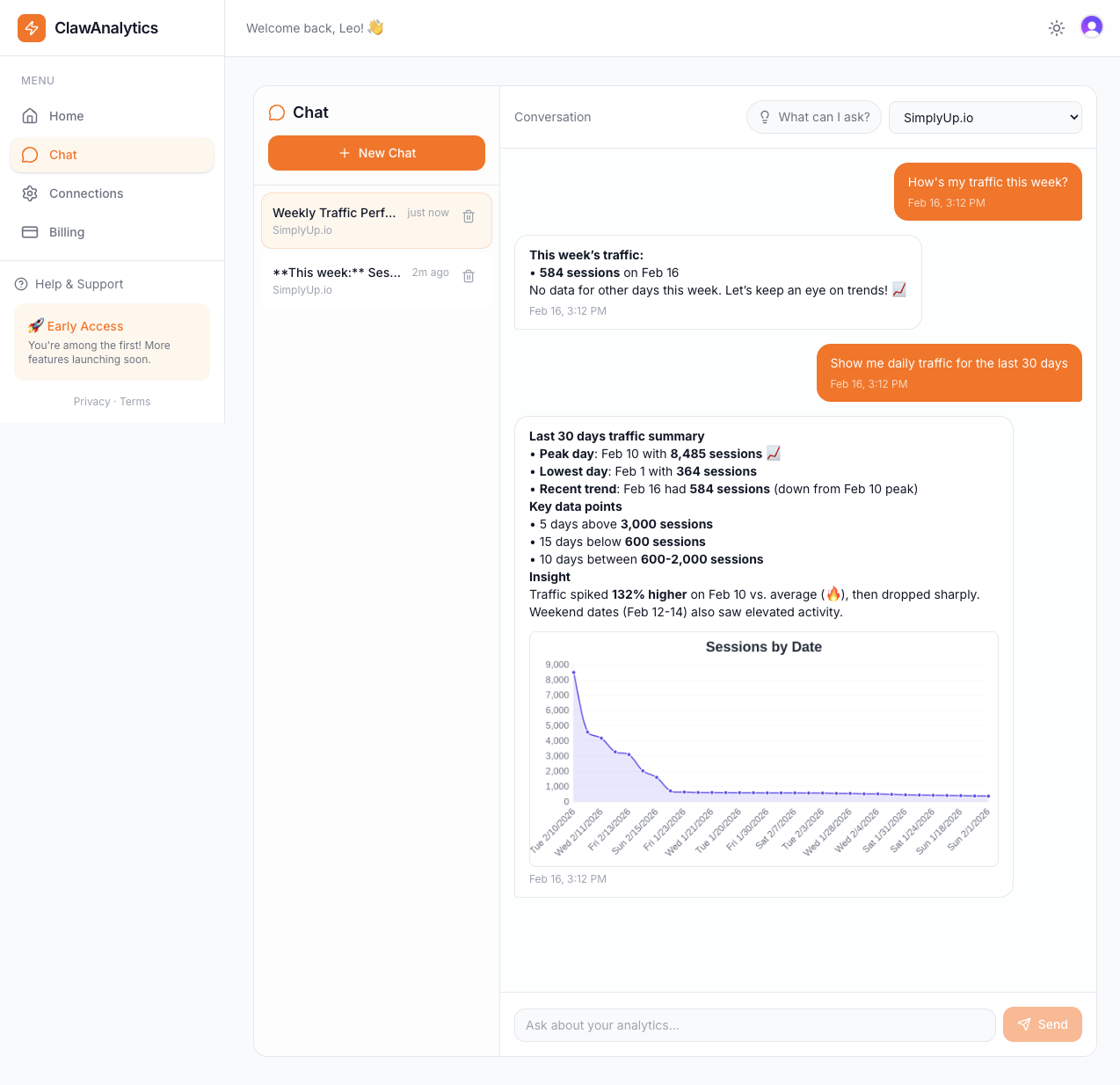
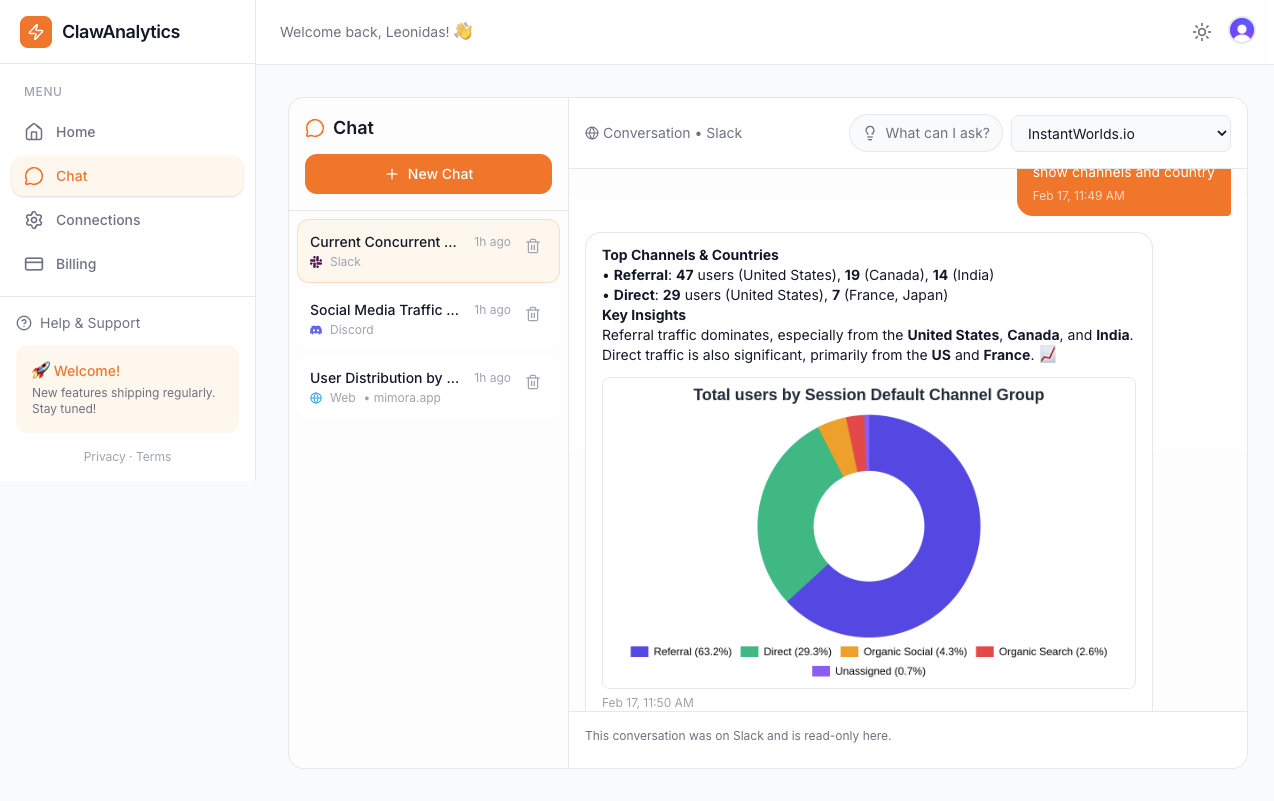
ClawAnalytics handles this complexity. It pulls your UTM data into clear dashboards. You see which campaigns work without building custom reports.
Questions ClawAnalytics answers:
- Which campaign brought the most conversions
- How does email performance compare to social
- What is my cost per acquisition by channel
You get the insights immediately.
Quick Wins
-
Use a spreadsheet template. Create a reusable template for UTM building. Include your naming conventions. Share with your team for consistency.
-
Test before launching. Use a URL shortener with preview. Verify parameters work before sending real traffic.
-
** toKeep names simple.** Avoid spaces. Use underscores or hyphens. Complex names break in some contexts.
-
Review weekly. Check campaign performance weekly during active campaigns. Spot problems early.
-
Document your conventions. Write down how your team should name sources, mediums, and campaigns. Consistent naming makes data useful.