You keep hearing about GA4. Your analytics dashboard looks different. Colleagues mention it in meetings. But what actually is GA4?
This guide explains GA4 in plain terms. You learn what it does, why it matters, and how to use it.
GA4 Defined Simply
GA4 stands for Google Analytics 4. It is the newest version of Google Analytics, the tool businesses use to track website visitors. Google released it in 2020 and now requires it for new properties.
Think of GA4 as a more powerful version of the analytics you already know. It tracks the same basic information. Visitors, page views, where people come from. But it tracks these differently and offers new features.
What Makes GA4 Different
Event-based tracking. In older analytics, tracking focused on sessions. A visitor comes, looks at pages, leaves. That is one session. In GA4, everything is an event. Page view. Scroll. Click. Purchase. Each action gets tracked separately. This gives you more detail.
Cross-device tracking. People use multiple devices. They research on phone, buy on laptop. Older analytics saw these as different users. GA4 connects the journey. You see the full story from first visit to conversion.
Machine learning built in. GA4 predicts behavior. It shows you users likely to purchase. It estimates churn. These predictions appear automatically based on your data.
Works with apps and web. GA4 tracks websites and mobile apps in one place. Older analytics needed separate properties. Now you see all your digital properties together.
Why This Matters for Your Business
The changes in GA4 are not just technical. They affect the decisions you make:
- Better understanding of customer journeys across devices
- More accurate conversion tracking
- Predictive insights without building custom models
- Simpler analytics across web and mobile
You make better decisions when you see the full picture. GA4 shows that picture.
How to Use GA4
Setting up GA4 starts with creating a property in Google Analytics. You need the tracking code on your site. Most modern platforms include this in their integrations.
Once tracking runs, explore the Reports section. The Realtime report shows current visitors. Acquisition shows where they come from. Engagement shows what they do.
The Explore section offers advanced analysis. Build custom reports. Compare segments. Analyze specific user journeys.
The Easier Way
GA4 offers more power but also more complexity. The learning curve is steeper than older analytics. Many features sit behind menus and configurations.
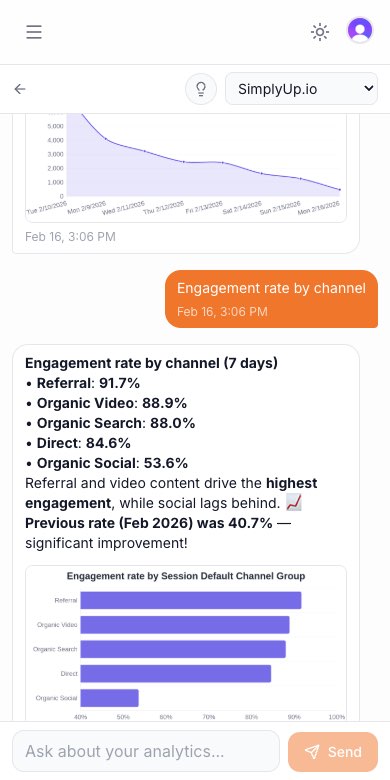
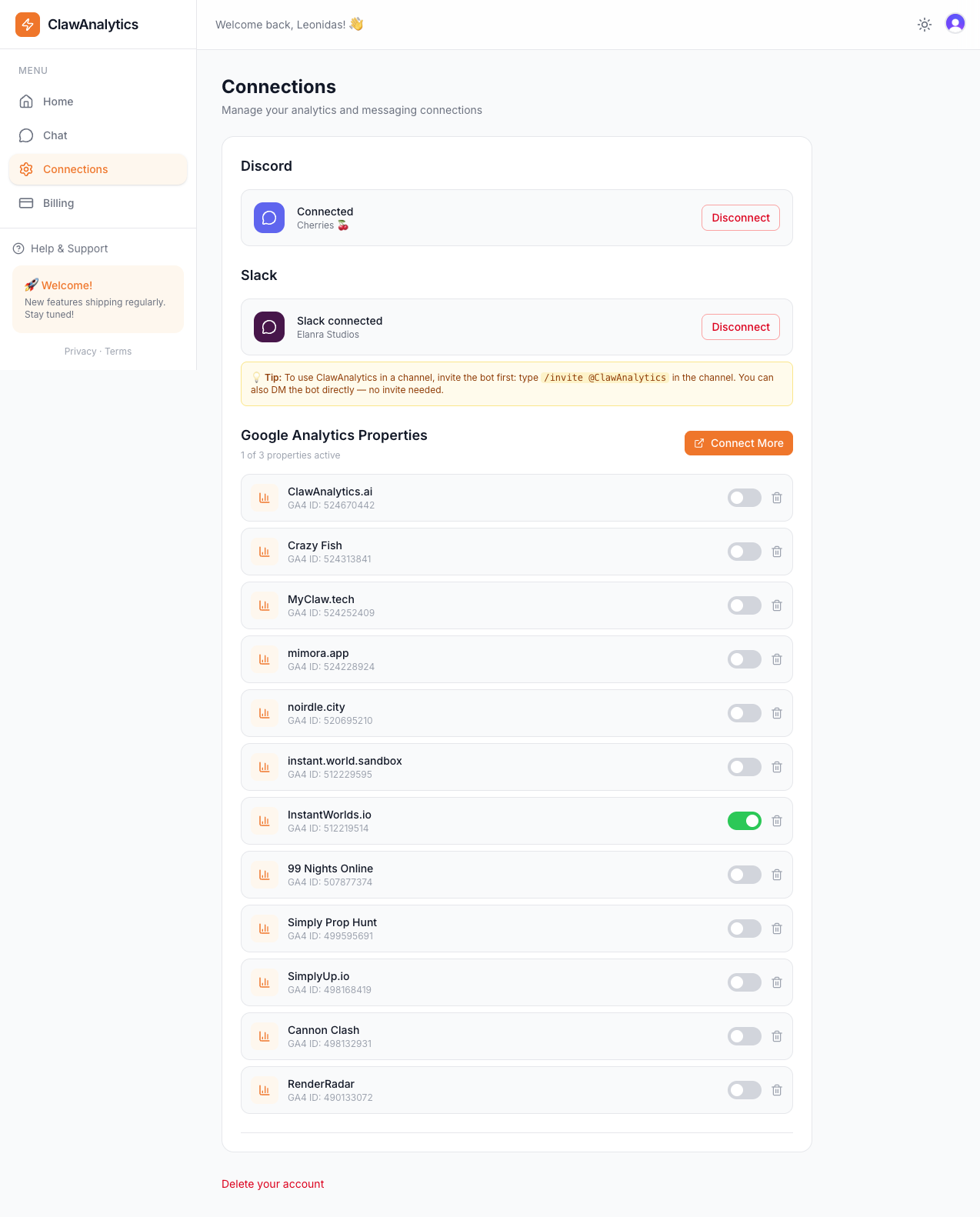
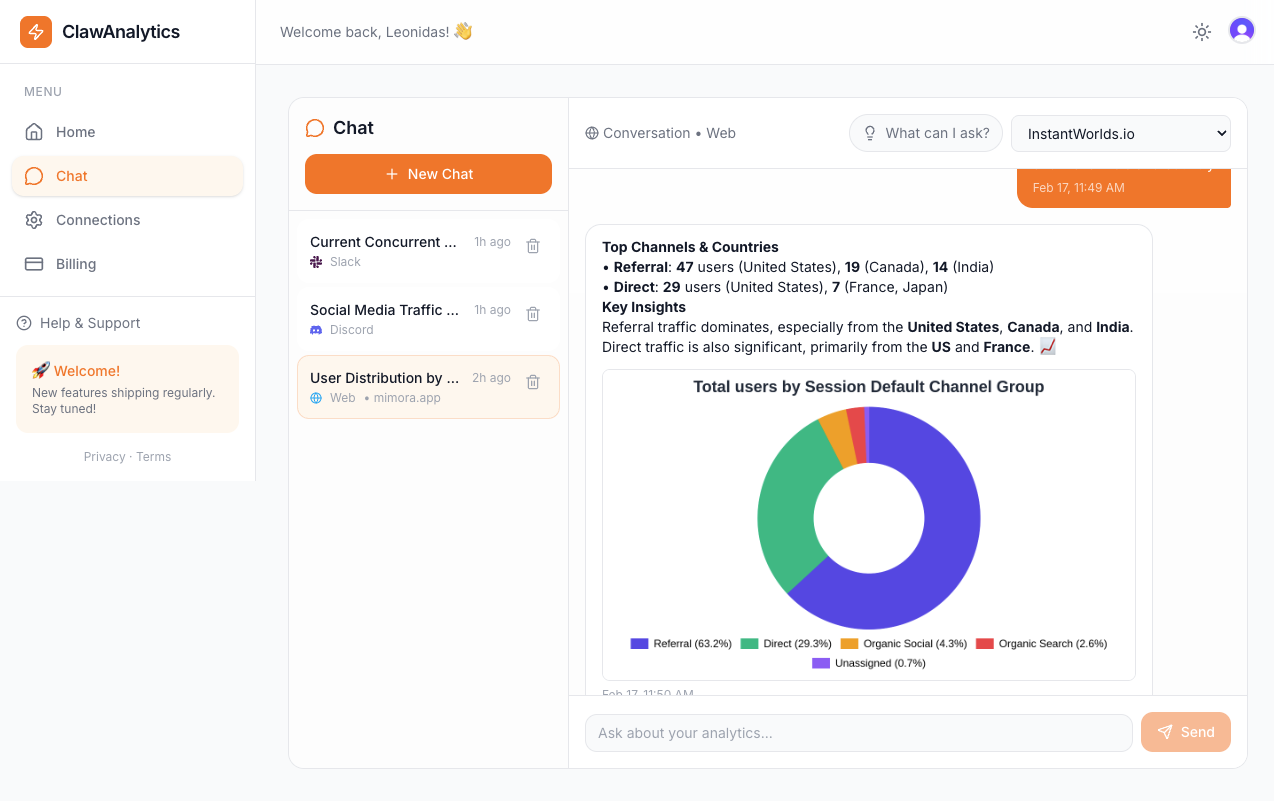
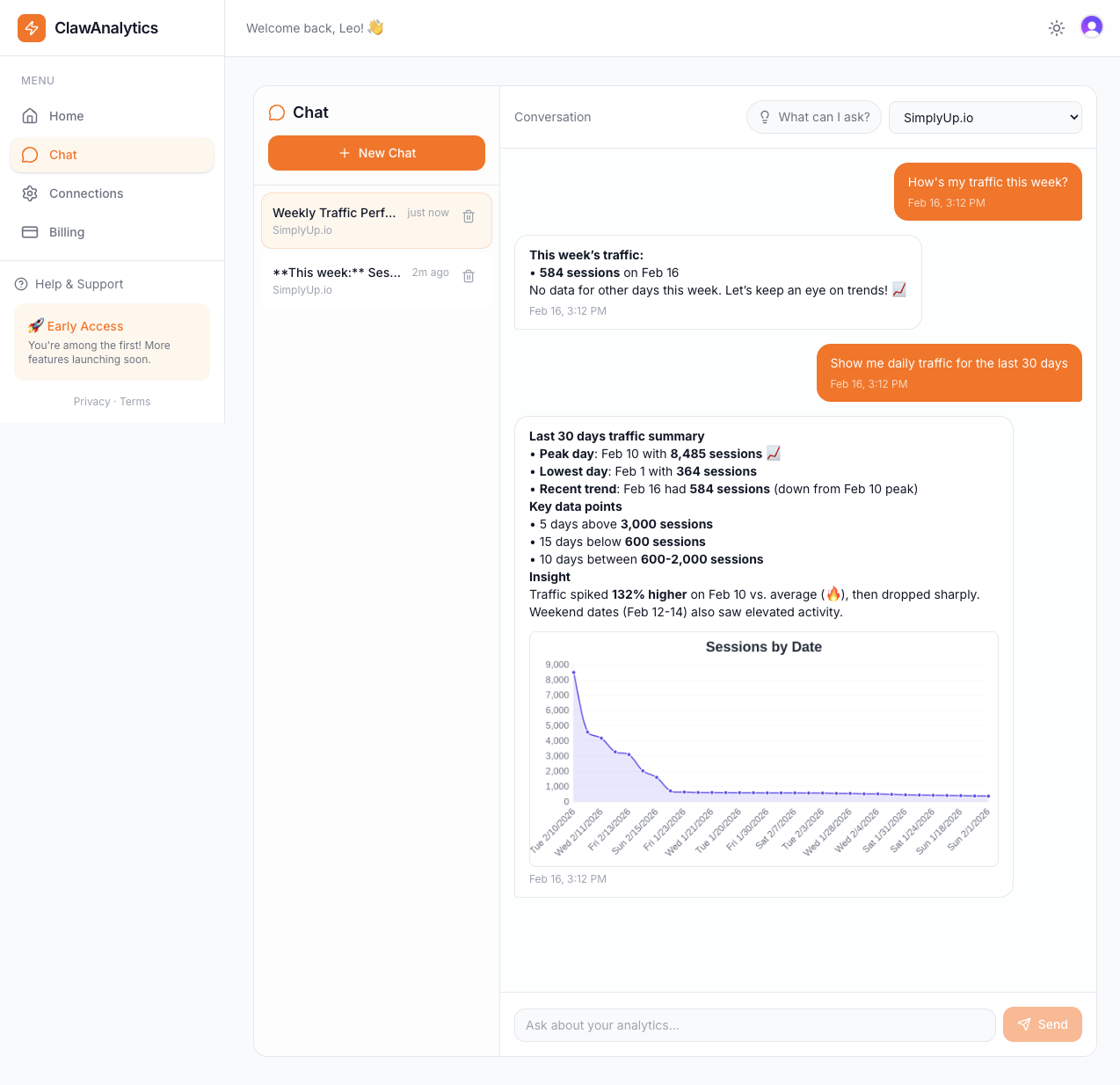
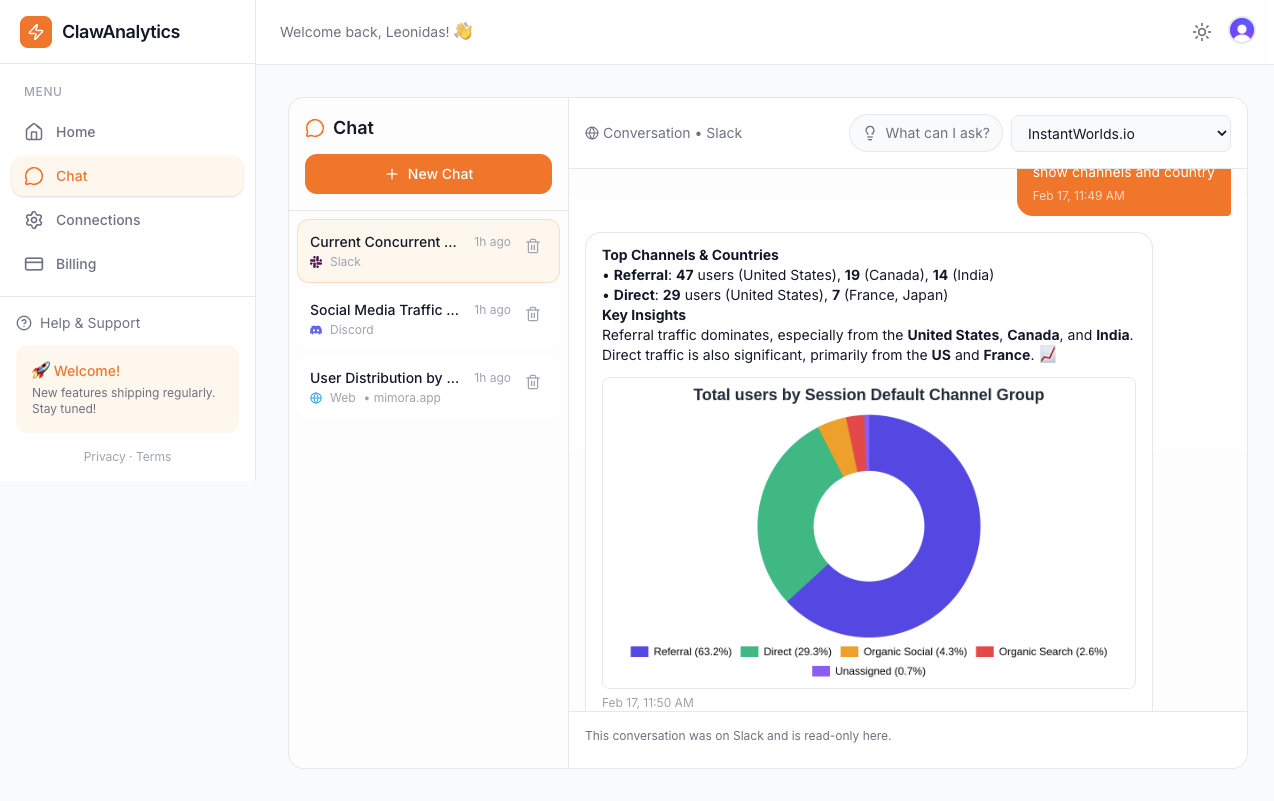
ClawAnalytics helps you use GA4 without the complexity. It connects to your data and builds dashboards automatically. You get insights without configuring reports.
Common questions ClawAnalytics answers:
- Which marketing channels drive the most conversions
- How is my traffic changing over time
- What pages need attention
You see what matters in minutes.
Quick Wins
-
Enable enhanced measurement. This automatically tracks scrolls, outbound clicks, site search, and video engagement. Turn it on in your data stream settings.
-
Set up conversions. Decide what actions matter. Mark these as conversions. They appear in your reports and drive automated insights.
-
Link Google Ads. Connect your advertising account. Track campaign performance directly in Analytics.
-
Create audiences. Build groups of users based on behavior. Use these for deeper analysis or remarketing.
-
Check the overview daily. The main overview report shows your key metrics. Review it every day to stay connected to your data.